Bluey beats Stranger Things to top US streaming ratings
Australia’s favourite blue heeler has cemented her takeover of the hearts – and accents – of American kids.
Source: Bluey / Facebook
Bluey has beaten cult sci-fi series Stranger Things to take out the title of most-streamed show overall in the US in 2025.
The animated ABC/BBC program clocked up 45.2 billion minutes of viewing time on Disney+ last year, according to streaming ratings released this week by Nielsen.
That put it well in front of the runners-up: Long-running US medical drama Grey’s Anatomy (40.92 billion minutes of viewing) and Stranger Things, which released its final season at the end of the year (39.95 billion minutes).
Bluey was also the most-streamed show overall in 2024, and came second in 2023.
“Animated Australian import Bluey is the returning champion this year, ranking as the overall most-watched streaming title of the year and most-watched acquired title,” Nielsen said.
“Bluey’s notably short episodes, which average just eight minutes in length, further underscore just how much the show resonates with kids (who make up more than half the audience) and families.”
You might like


Based on a curious and energetic blue heeler puppy and her family living in suburban Brisbane, Bluey’s global popularity has exploded since it premiered on the ABC in 2018 and started streaming on Disney+ two years later.
It hasn’t just spawned games, toys and other products, but also live shows and experiences, and a planned animated movie. A Bluey “junior rollercoaster” is opening in England this year, while Bluey activations are set to launch at Disney theme parks in the United States.
Aimed at young children but also proving popular with viewers of all ages, Bluey has been a hit in the US since it launched on Disney+, with a massive balloon version of its titular character debuting at the iconic Macy’s Thanksgiving Day parade in New York in 2022.
A couple of years later, the show was credited with helping Americans understand cricket after an episode in the third series featured Bluey’s dad Bandit recounting a story that moved some viewers to tears.
It has also been blamed for young fans speaking in Australian accents– with a character’s pronunciation of “airport”, in particular, baffling American viewers and creating a frenzy on social media.
Hooked on streaming
Stay informed, daily
It wasn’t only Bluey pulling in the viewers last year, with 2025 proving the most heavily streamed year on record, according to the Nielsen ratings.
It said US audiences spent a whopping 16.7 trillion minutes streaming – “that’s about 11.6 billion days, or 31.7 million years’ worth” – which was a 19 per cent increase compared with 2024.
“While there are some expected winners, there are always some surprises and new entrants that have captured the imagination of viewers,” said Nielsen’s Brian Fuhrer.
“What is undeniable is the trajectory of streaming, and the increasing appetite for content of all kinds.”
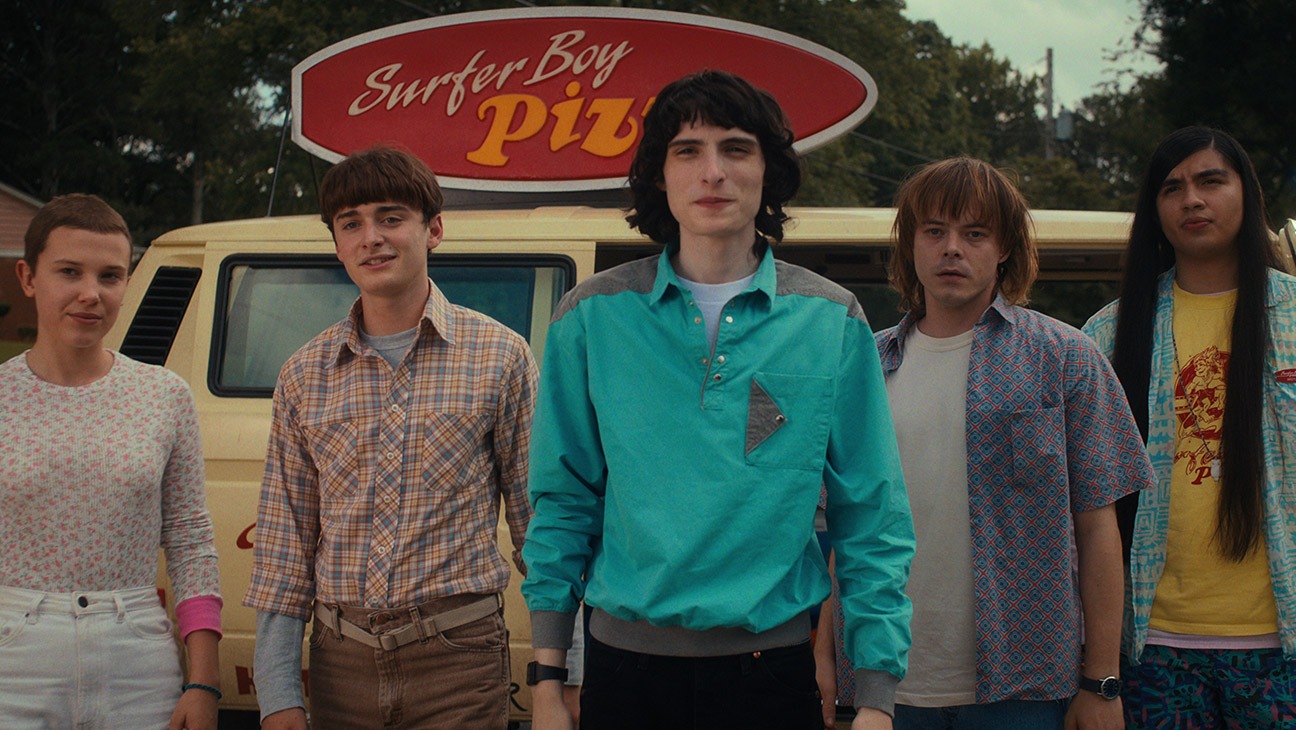
Stranger Things was still one of the top streaming hits of 2025. Photo: Netflix
Although our little Aussie blue heeler pipped Stranger Things for the overall most-streamed spot, the US cult hit did top the “original series” category.
Gritty medical drama The Pitt – named best drama series at the recent Golden Globe awards – was the most-streamed new original drama series (11.4 billion minutes on HBO Max), followed by Netflix’s quirky White House-set murder-mystery The Residence, while KPop Demon Hunters was the top kids’ movie.
Nielsen releases the ratings data alongside its annual ARTEY Awards, and presented the “streaming icon” award to Seth MacFarlane for a body of work including Family Guy and American Dad!.
One of the more surprising winners was a show with a viewing demographic at the opposite end of the age range to Bluey: American western Gunsmoke, which took out the most-binged title for 2025.
Described as a “streaming staple”, Gunsmoke amassed 22.5 billion viewing minutes in 2025, averaging 241 episodes per viewer, with its growth largely attributed to the fact it can be streamed for free on many platforms.
“Unsurprisingly for a show that premiered in 1955, Gunsmoke’s audience tends to skew older,” Nielsen said.
Want to see more stories from InDaily Qld in your Google search results?
- Click here to set InDaily Qld as a preferred source.
- Tick the box next to "InDaily Qld". That's it.