Rural Queenslanders falling through mental health services cracks
A report from Queensland’s peak body for mental health services has revealed deep gaps across the state’s regional communities from the Gold Coast to Cairns.
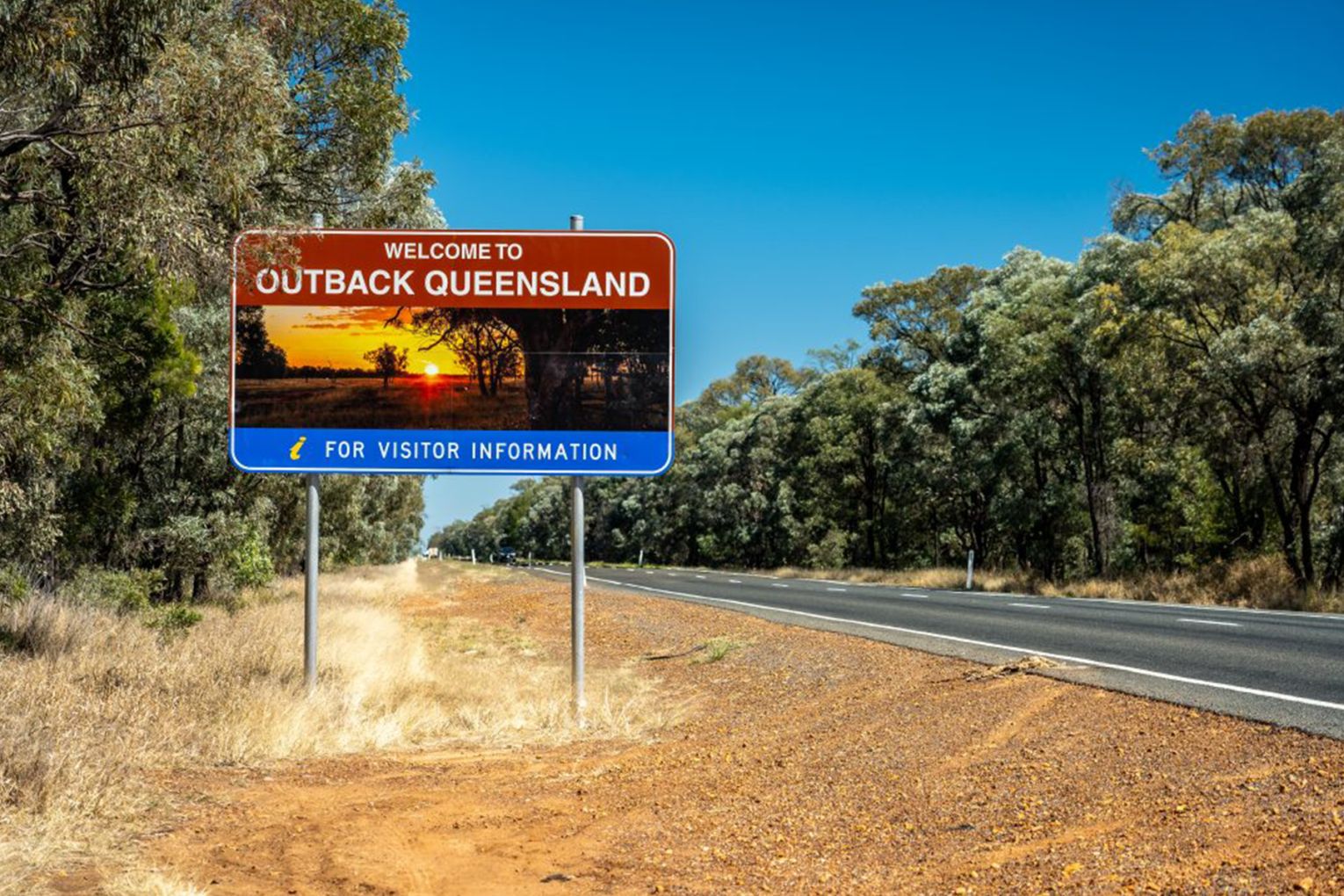
A report from the Queensland Alliance for Mental Health released this week has found mental health and psychological support across the state leaves many unable to access help until they reach a crisis point.
The report is based on direct consultation with community mental health services across Bundaberg, Cairns, Townsville, Mount Isa, Roma, Rockhampton and the Sunshine Coast.
QAMH – the state’s peak body for mental health services – described a system that is increasingly crisis-driven, fragmented and difficult to navigate across all regions.
The report found rigid eligibility criteria, workforce shortages, unstable funding and limited early intervention options leave people falling through the cracks outside metropolitan areas.
QAMH CEO Emily Wolter said the findings reveal a consistent pattern of unmet need across the state.

“Where you live in Queensland still determines whether you can access timely mental health support,” Wolter said.
In too many regional and rural communities, people are forced to wait until they are in crisis before help becomes available. By then, the personal and system costs are far higher.”
The report identified six priority areas for concern, including flexible place-based funding, strengthening the community mental health workforce, improving service navigation and continuity of care, investing in early intervention for children and families, and expanding culturally safe and inclusive models of care.
A state government spokesperson said Queensland Health was committed to ensuring regional, rural and remote Queenslanders could access the mental health care they need.
“We operate mental health hubs in key areas like Mt Isa, Roma, Charleville, St George, Cunamulla, Barcaldine and Blackall to provide on-site and outreach services across the regions,” the spokesperson said.
“Our hubs are in addition to supporting 24/7 phone and online services so people can engage with us in a way that suits them.”
Stay informed, daily
The spokesperson said Queensland Health was investing $350 million over the next four years to expand the level of mental health care for all Queenslanders.
“This includes delivering new perinatal mental health beds, crisis support spaces in regional and rural hospitals and dedicated youth Step-Up Step-Down facilities, while also funding Lifeline to enhance the level of support it can provide,” she said.
Community mental health services were holding systems together through local knowledge, relationships and commitment, despite mounting pressures, the report found.
“Goodwill and resilience cannot continue to compensate for structural underinvestment. Regional Queensland does not need more short-term programs. It needs stable, long-term investment in community-based mental health support that reflects local realities,” Wolter said.
Want to see more stories from InDaily Qld in your Google search results?
- Click here to set InDaily Qld as a preferred source.
- Tick the box next to "InDaily Qld". That's it.