Researchers make ‘reassuring’ discovery in far north Queensland
Conservationists celebrated the discovery of two female juvenile Northern Quolls with full pouches in Far North Queensland on World Wildlife Day yesterday.
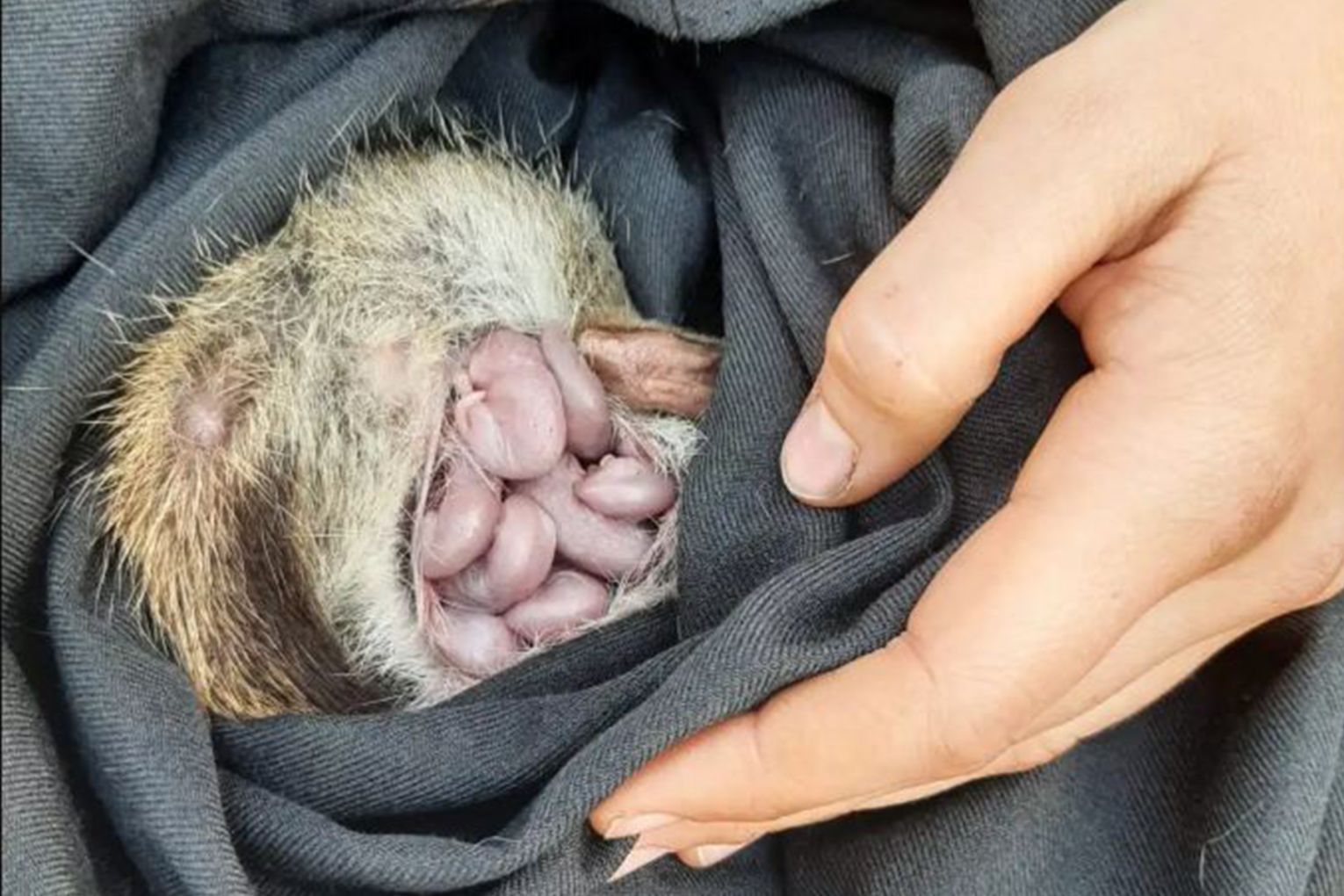
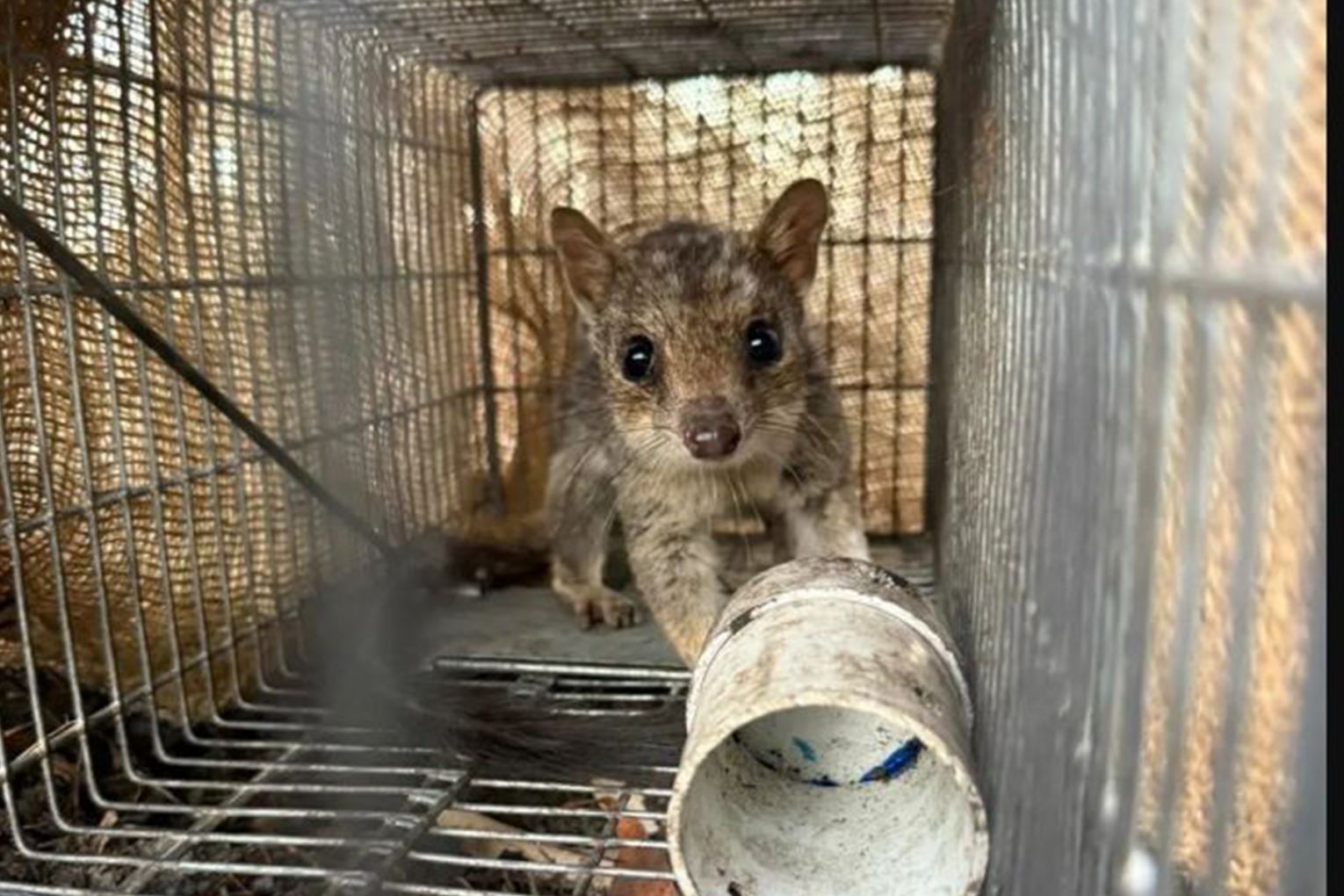
The two female quolls were found carrying up to eight young during a targeted trapping survey at Australian Wildlife Conservancy’s (AWC) Brooklyn Wildlife Sanctuary on Djungan and Yalanji land.
These surveys help fill knowledge gaps in the species’ breeding season ahead of a planned translocation to Mount-Zero Taravale Wildlife Sanctuary in Coane Range near Townsville.
AWC regional ecologist Dr Alexander Watson says male Northern Quolls typically die off shortly after breeding, so AWC plans to move the females carrying young to optimally translocate the species and increase genetic diversity.
“By recording the presence of females and their young on Brooklyn, we can better determine the right timing for moving quolls to the Coane Range. Translocating animals with pouch young carries risks, so females cannot be moved if their young are either too small or too developed,” Dr Watson says.


AWC hopes to translocate the quolls from Brooklyn to Mount Zero with the aim of increasing the endangered animals’ global population and establishing the only population in a feral predator-free habitat on mainland Australia.
The Mount Zero location is also home to a population of Northern Bettong, one of Australia’s mammals at the greatest risk of extinction, released into the sanctuary’s 950-hectare predator-free fenced area in 2023.
“Brooklyn is a great source site for the translocation because we estimate that there are at least 300 Northern Quolls persisting on the sanctuary and the surrounding areas,” added Dr Watson.
Northern Quolls were prevalent throughout Australia until the arrival of cane toads, the impacts of feral cats, foxes and changed fire regimes.
AWC wildlife ecologist Dr Gabrielle Beca says it was a special moment for the team when the young carrying female quolls were found.
Stay informed, daily
“It’s reassuring to find Northern Quolls, particularly females with pouch young, because it shows the species is likely benefiting from AWC’s early dry season burning, which creates a mosaic of burnt and unburnt vegetation, providing sheltered areas and reducing pressure from predators” Dr Beca says.
AWC also fosters protected quoll populations at wildlife sanctuaries in the Kimberley, including Charnley River-Artesian Range and Mornington Wildlife Sanctuaries, and also recorded a Northern Quoll at Piccaninny Plains Wildlife Sanctuary on Cape York earlier this year, the first confirmed sighting in a decade.
Northern Quolls become sexually mature at one year of age, with males expending considerable energy fighting other males and do not survive to breed a second year. Females may live for two or three years.
Want to see more stories from InDaily Qld in your Google search results?
- Click here to set InDaily Qld as a preferred source.
- Tick the box next to "InDaily Qld". That's it.