Calls for ‘reliable’ energy after a summer of coal station breakdowns
Queensland Conservation Council (QCC) is calling on the Crisafulli Government to invest in reliable energy as coal fired power stations report huge numbers of breakdowns and outages across the 2025-26 summer period.
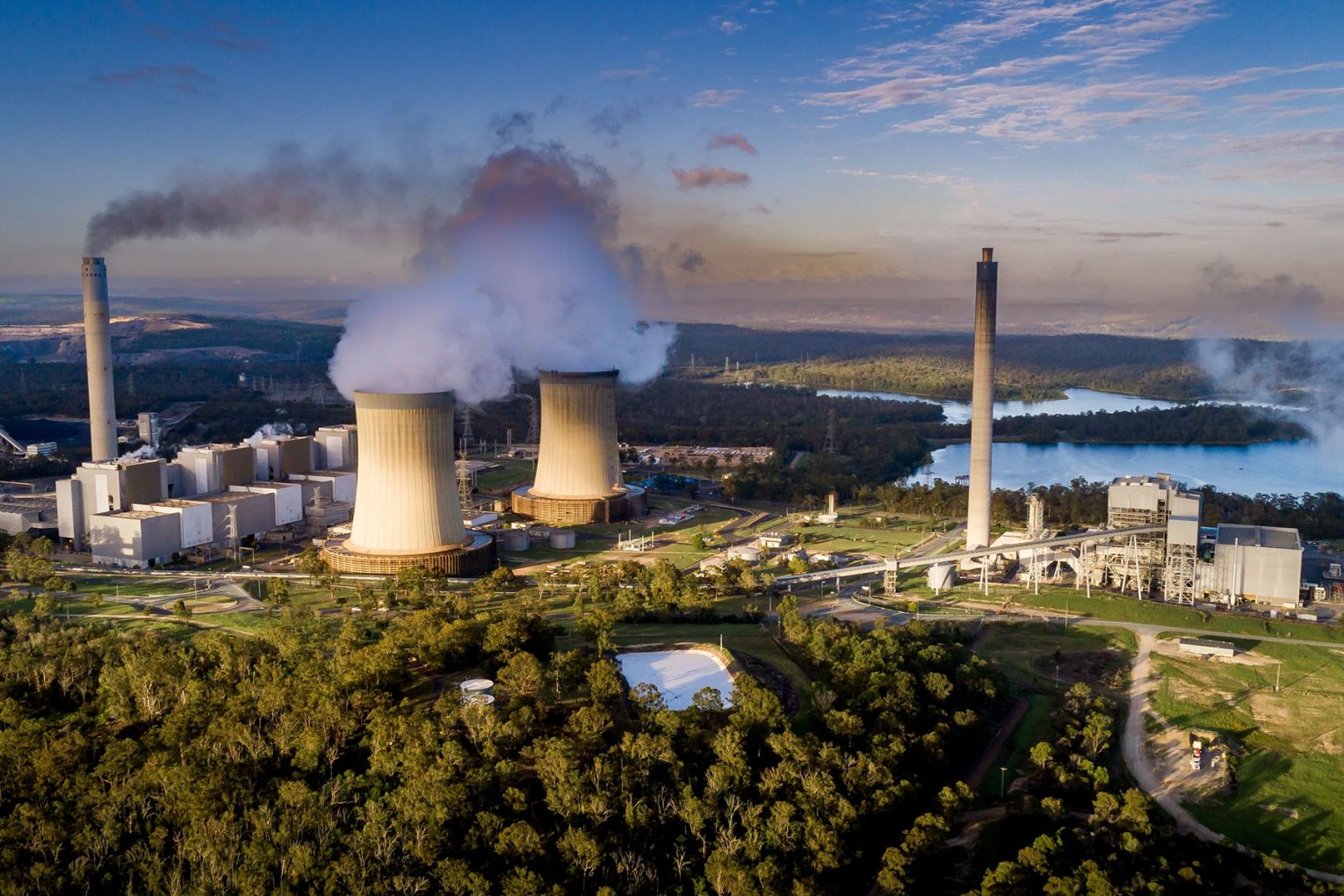
A new Reliability Watch report identified that Queensland coal power stations had 52 outages and 47 unplanned breakdowns from October 2025 to February 2026.
The report was put together by the Queensland Conservation Council, Nature Conservation Council of NSW and Environment Victoria, and found that on average, 5.3 GW or 25 per cent of coal-fired power station capacity was unavailable at any point from October 2025 to February 2026.
Reliability Watch is a collaboration between peak environmental bodies for Queensland, New South Wales and Victoria that builds on the previous Gas and Coal Watch project by The Australia Institute.
The maintenance of these stations was also reported as overrunning by an average of two weeks, with maintenance on units at Tarong in the South Burnett Region of Queensland running for twice as long as planned.
QCC said the continued breakdowns and maintenance problems were signs that the Crisafulli Government needed to reassess its energy roadmap.
You might like

QCC’s energy strategist Claire Silcock said the report findings were hard, indisputable evidence that coal-fired power stations were failing and needed to be replaced.
“No matter how many billions of taxpayer dollars the Crisafulli Government funnels into patching up coal power stations, we’re not going to see reliable power from these ageing generators as they struggle to keep up with renewable energy, which now powers 30 per cent of Queensland’s grid,” Silcock said.
She added that over the last twelve months, Queensland’s coal-fired power stations recorded 131 breakdowns.
“The most calamitous breakdown was at one of our youngest coal-fired power stations, the troubled Callide C, where both units broke down due to a communications fault on a hot January afternoon, just before peak demand,” Silcock said.
Stay informed, daily
In 2025, a third of Queensland’s energy was renewable, with coal-fired power stations providing 64 per cent of the state’s electricity and the remainder from gas-fired power stations, Silcock added.
She added that continuous breakdowns left Queensland at risk of higher electricity prices if gas had to unexpectedly come online to meet demand, as coal breaks down.
“More concerningly, the privately owned Gladstone power station has signalled it wants to close in 2029 and the Government is not planning to build the renewable energy backed by storage we need to fully replace it. This will lead to either the Government having to prop up Gladstone or Queenslanders having to pay more for electricity.”
Silcock added that renewable energy and batteries, including more than 770 MWh of storage in people’s homes, is scheduled to come online to offer system support.
Treasurer and minister for energy David Janetzki responded to the claims.
“The Crisafulli Government is delivering an Energy Roadmap focused on affordable, reliable, and sustainably energy that will save the average Queensland household from paying an extra $1035 a year they would have paid under the former Labor government,” Janetzki said.
“This includes our $1.6 billion Electricity Maintenance Guarantee, which backs investment into our state-owned generators after the former Labor government failed to properly maintain them.”
Want to see more stories from InDaily Qld in your Google search results?
- Click here to set InDaily Qld as a preferred source.
- Tick the box next to "InDaily Qld". That's it.