Global energy chief in Oz as PM hits phones with Singapore over fuel
One governments minister also says Australia could leverage its bountiful exports of natural gas to encourage Asian nations to continue fuel shipments – as government holds food security summit as PM.
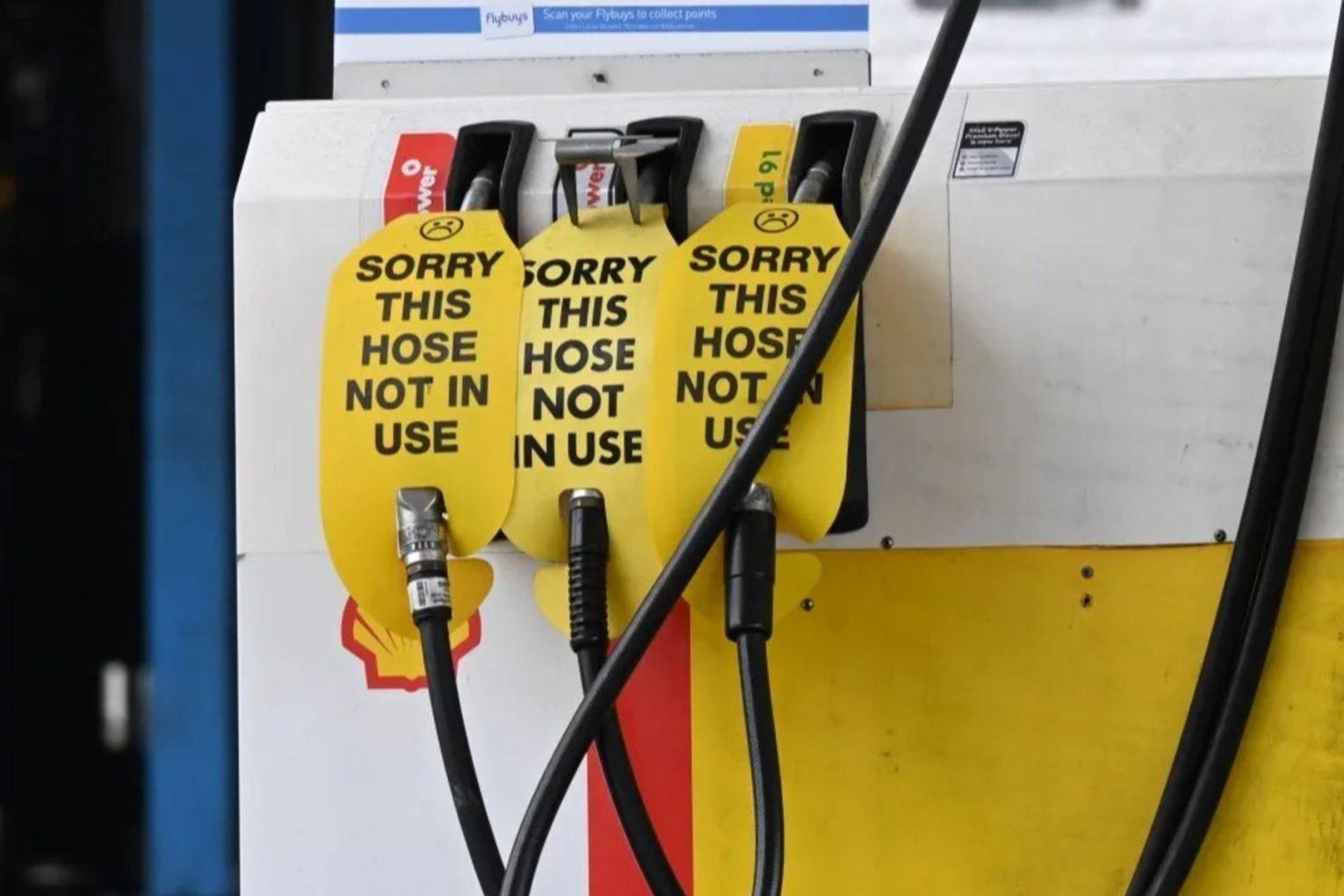
The prime minister has been phoning his global counterparts to try and shore up Australia’s fuel stocks over the coming weeks and months, as the Middle East war sends shockwaves through global supply chains.
International Energy Agency executive director Dr Faith Birol also was in Australia today meeting the PM to discuss ways to fight the world fuel shortages.
Birol said the world is facing the “greatest global energy security threat” as war in the Middle East puts supplies in jeopardy.
“Oil, natural gas and some of the very important arteries of our economy, such as the petrochemical fertilisers and others,” he said today in Canberra.
“As the International Energy Agency, our core mission is energy security. So, we have released on the 11th of March, 400 million barrels of oil to the market.
“We have seen a relaxation in the markets, a comfort we have provided to markets. We also recently provided some suggestions to countries around the world, how they can also reduce the demand, and in addition to those, the international energy diplomacy is our work.”
From Australia, he would travel to Tokyo to meet the Prime Minister Takaichi and some other leaders in the region and then travel back to Paris.
Prime Minister Anthony Albanese also spoke with Lawrence Wong, Prime Minister of Singapore, just before Question Time on Monday later releasing a joint statement on energy security.
You might like
Albanese said consistent with our Comprehensive Strategic Partnership 2.0 joint declaration agreed in October 2025, Australia and Singapore would accelerate negotiations on an arrangement on trade in essential supplies, and will explore options for a future legally-binding commitment involving bilateral arrangements, such as consultation and early notification in case of potential disruptions.
“We call on other trading partners to join us in ensuring global energy supply chains are kept open, for the benefit of the security and prosperity of our peoples,” the statement said.
“We are committed to working together to strengthen energy supply chain resilience, including by deepening regional cooperation, accelerating renewable energy transition, addressing unjustified import and export restrictions, and maintaining open trade flows,” it said.
“In this context, we reaffirm our commitment to strengthen energy security, to support the flow of essential goods including petroleum oils, such as diesel, and liquefied natural gas between our two countries, and to notify and consult each other on any disruptions with Australia and Singapore ramifications on the trade of energy.”
Australia is heavily reliant on fuel imports, bringing much from South Korea and Singapore, which in turn rely on oil from the Middle East.
Assistant Foreign Minister Matt Thistlethwaite said negotiations were continuing with Asian neighbours and counterparts to try and maximise the amount of fuel that is available in Australia,” he told Sky News on Monday morning.
Mr Thistlethwaite suggested Australia could leverage its natural gas exports to incentivise countries such as South Korea to continue sending fuel.
The International Energy Agency has suggested encouraging people to work from home in a bid to reduce demand for petrol, a move the government described as “sensible” on Sunday.
Energy Minister Chris Bowen also revealed six tankers bound for Australia had their journeys cancelled or postponed because of the war in the Middle East.
Fuel companies had increased their imports from the United States in response, Labor minister Mark Butler said on Monday.
Stay informed, daily
“We’re seeing, as I understand it, an increase in shipments from the US that we haven’t seen for many, many years,” he told Nine’s Today program.
“I think the companies, but also the government, (are) working very hard to make sure that we can get supplies from wherever possible,” he said.
As unrest in the Middle East enters its fourth week, and the Strait of Hormuz remains closed, Australia’s food supply chain faces threats from rising fuel prices and impacted global fertiliser trade.
The government drew business leaders together for a food security summit on Monday, logistics companies warning petrol and diesel price hikes are putting their operations under increasing pressure.
United Workers Union today called on an overhaul of industry settings to protect the 2.3 million essential food workers in the sector from farms to meat processing, dairy and supermarkets.
“These workers play a vital role in Australia’s food ecosystem – there is no food security without job security. With a war raging in the Middle East and its effects already hitting Australian supply chains, this issue cannot wait,” United Workers Union Food and Beverages Director Mel Gatfield said.
Ms Gatfield was appointed late last year to the National Food Council, which is tasked with advancing food security through the Federal Government’s “Feeding Australia” strategy.
The union pointed to rising living costs including higher petrol prices, climate change weather events and global instability driven by the conflict in the Middle East impacting food security.
“The issue of food insecurity affecting Australians right now has come into sharper focus as the broader issue of food security – whether Australia has enough food to feed itself – is made more pressing by global events,” Gatfield said
“What we’d like to see is a sense of urgency on both fronts: ensuring stable, secure jobs in the broader food sector, and protecting vulnerable Australians from food insecurity.”
Concerns over Adelaide’s reliance on cars also have been prompted by current fuel challenges and rising prices.
Deputy Opposition Leader Jane Hume said stronger supply chains were the solution to the fuel crisis.
“The way to deal with the crisis we’re facing now is to address those distribution channels and to make sure that we have the supply chains in place to deliver fuel where it’s needed,” she told ABC TV.
“Without that, the economy simply runs to a stop.”
– with AAP
Want to see more stories from InDaily Qld in your Google search results?
- Click here to set InDaily Qld as a preferred source.
- Tick the box next to "InDaily Qld". That's it.