Proserpine cane growers fear impacts of wind turbine project
Alinta Energy wants to erect up to 30 wind turbines near Proserpine, but local cane farmers fear the project could harm their operations in the district.
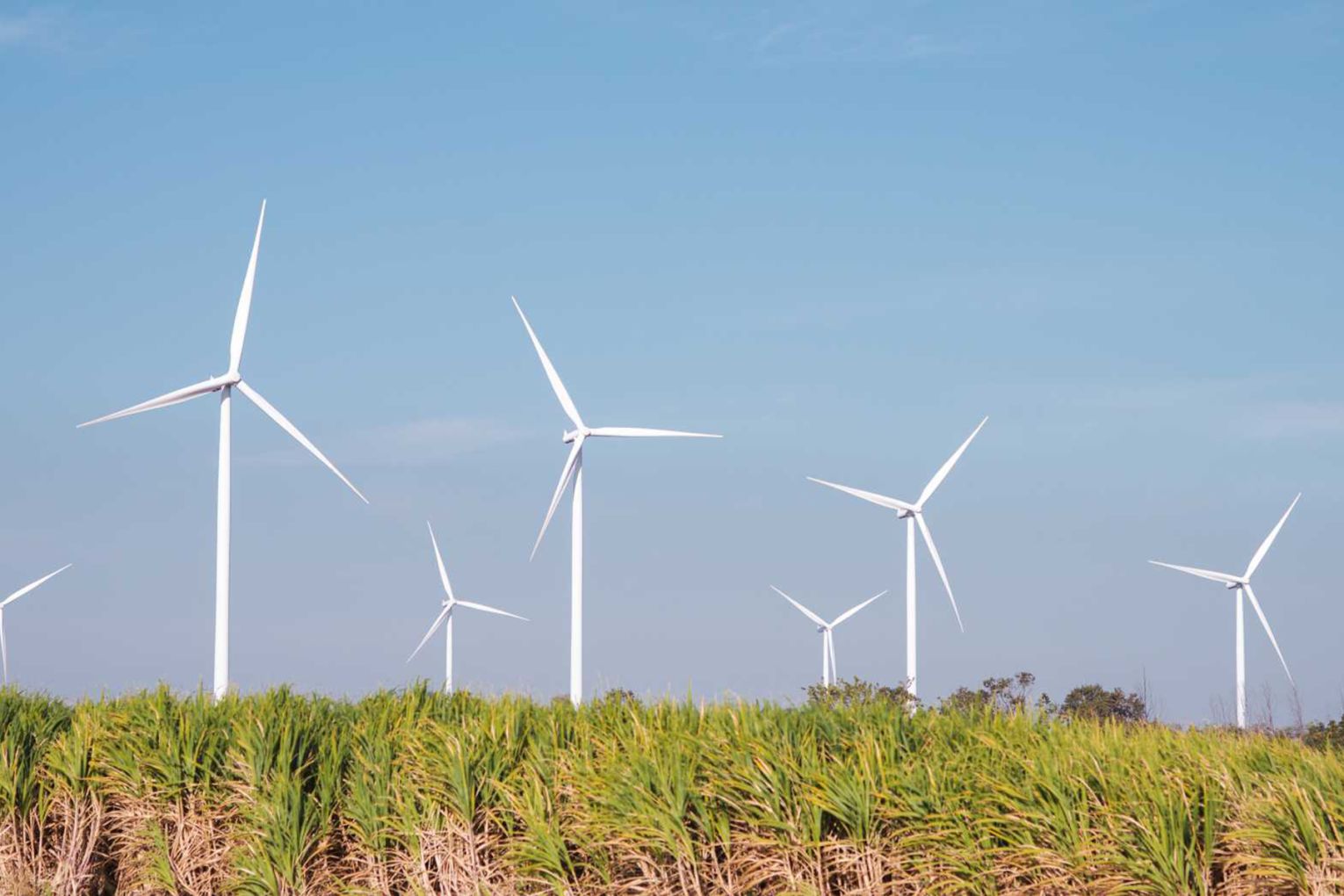
A Coexistence Queensland public Energy Forum last week heard why Proserpine cane growers were worried about the Mt Challenger Wind Farm project with plans to have it located between Proserpine and Bowen in the Whitsunday Regional Council area, with site-specific investigations currently being undertaken.
The project is expected to have 220 megawatt generating capacity across 30 wind turbines with an expected operating life of more than 30 years.
Proserpine-based cane grower Alysha Lee said she and her husband, a fourth-generation cane farmer, were concerned about the project’s proposed site, which would see 240-metre high wind turbines installed about 500m from her property boundary.
“We also back onto a great Barrier Reef World Heritage Area, so we want to be proactive about keeping our soils and any fertiliser on our land and if we can’t use these techniques to minimise that, what does that mean in terms of those knock-on effects?”
As a Proserpine canegrower, Lee’s farm contributes 35,000 tonnes of sugarcane to the region, and she wanted to be at the forum to voice her concerns.
“It was certainly very confronting walking into the forum on Friday because there was four or five Energy Partners there in the room… I think the big key message is that if these projects are coming into the region then the community needs to be protected. We should not be in a position where we’re fighting off a wind farm hundreds of metres away from our property boundary.”
You might like


Lee added that CANEGROWERS were advocating for three kilometre setbacks from property boundaries to ensure farmers still have room for aerial spraying and drone capability, while also avoiding GPS interference.
“We are not willing to negotiate a community benefit agreement with Alinta Energy, particularly as our concerns around setbacks have not been properly listened to and also we have big concerns around decommissioning.”
Lee also raised concerns about construction traffic interfering with cane crushing season and supply chains, interruption to precision agriculture techniques and flight paths, as well as decommissioning costs.
“There’s a very big concern from the wider cane growing industry that these developments are now encroaching onto locally and state important agricultural land.”
CANEGROWERS Proserpine chairman Glenn Clarke said while growers understand the need for renewable energy, they wanted to ensure their concerns are properly heard before plans were approved.
“This isn’t about opposing renewable energy,” Clarke said. “But when a project of this scale is proposed in the middle of a productive farming district, growers have every right to understand what it means for their operations and their future.”
Stay informed, daily
Clarke pointed out that construction traffic, access to haulage routes, aerial spraying, fire risk and large machinery movement were operational issues for farmers that needed to be carefully worked through.
“The cane industry around Proserpine supports local jobs, businesses and families, and it’s important that developments in the region recognise the role agriculture plays in sustaining these communities,” he said.
CANEGROWERS CEO Dan Galligan said the situation highlighted the broader issue of large infrastructure projects in agricultural regions.
“Productive agricultural land cannot simply become the default location for major infrastructure projects,” Galligan said.
“Agriculture is a foundation industry in regional Queensland, and protecting the long-term viability of farming regions must remain a priority.”
Galligan noted that renewable projects need to be designed and located in a way to allow the coexistence of agriculture and energy generation.
In 2026, Alinta Energy will be collecting wind data, undertaking environmental studies, consulting community and submit approval documents for the government to assess.
A spokesperson for Alinta Energy said with the project still in early days, the company was still working through a range of environmental, technical and social assessments.
“We understand that some community members have concerns about the development of wind farms in the area, and we are listening carefully to their feedback. Residents have told us they want clear information and transparency, and have asked about potential impacts on homes, local amenity, wildlife, and safety. All of these issues are being addressed in our upcoming studies,” the spokesperson said.
The spokesperson added there were several potential benefits of having a wind farm in the region.
“If the project proceeds, as well as supporting QLD’s energy supply and grid, it could bring meaningful investment into the region – including construction and operations jobs, local procurement, potential road and infrastructure upgrades, environmental enhancement programs and support for community initiatives,” the spokesperson said.
“We have started a process that could result in the development of a community benefit agreement that could support local clubs, facilities, restoration projects, training, and apprenticeships. Any benefits would be grounded in local priorities, informed by the findings of the Social Impact Assessment, and developed in consultation with Council, Traditional Owners and community groups.”
Want to see more stories from InDaily Qld in your Google search results?
- Click here to set InDaily Qld as a preferred source.
- Tick the box next to "InDaily Qld". That's it.