Need to fill up? This is when fuel prices will go down
Petrol and diesel costs across the nation are about to be slashed by 26.3 cents a litre – here’s when you can expect a welcome cut at the bowser.
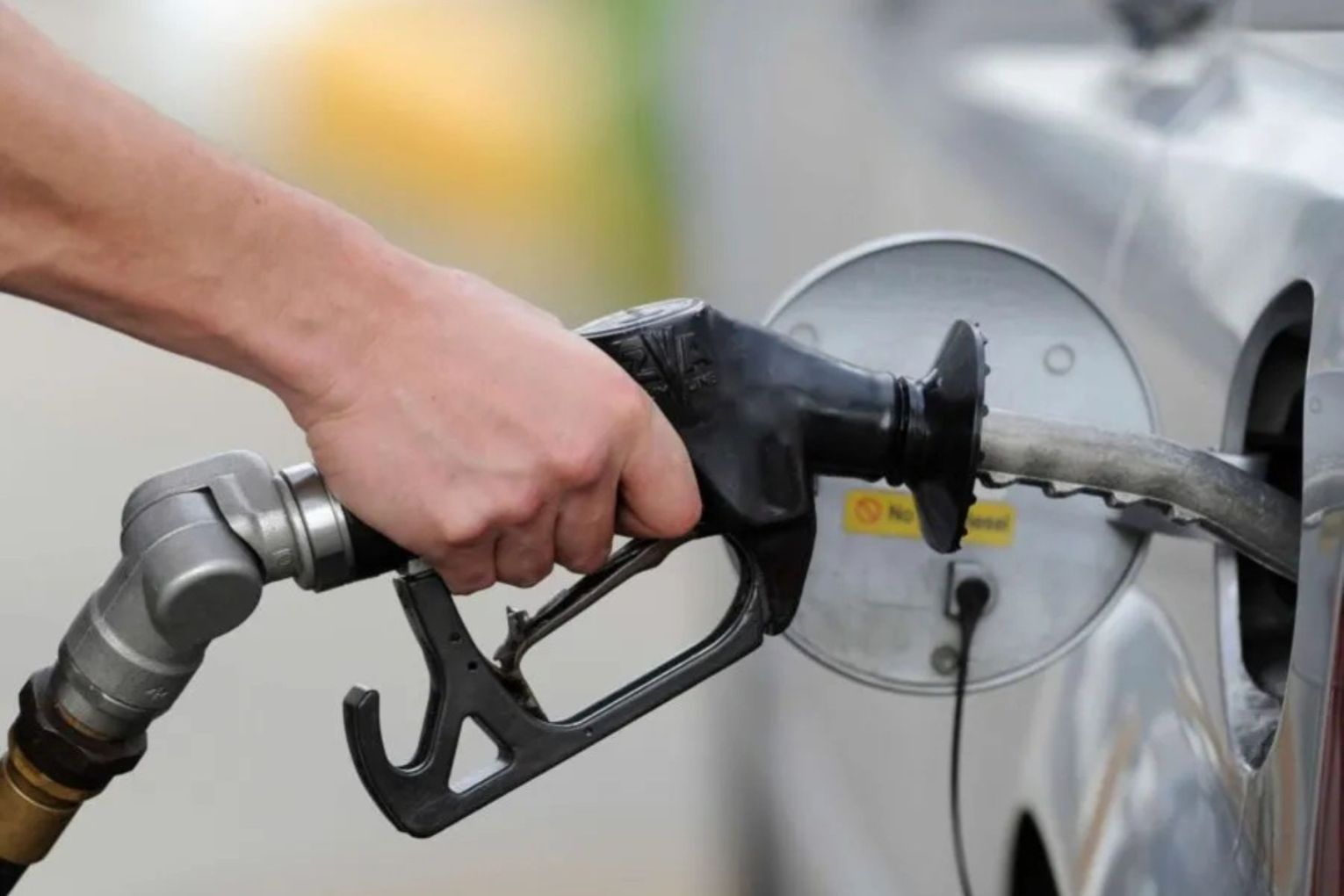
Petrol and diesel costs across the nation will from Wednesday be slashed by 26.3 cents a litre as Labor moves to soften the worst effects of the conflict in the Middle East.
That equates to $10.50 on a small, 40-litre tank or $21 for Australia’s best-selling new vehicle – the Ford Ranger – which has an 80-litre tank.
However while Prime Minister Anthony Albanese warned slashing the fuel excise would make a difference to household budgets, it didn’t alleviate the impact of the war.
“We’ve been up front about that, we’re not immune from what has happened with a global price spike that is having a major impact on the global economy,” he told ABC Radio on Tuesday.
“The longer the war goes on, the worse the impacts will be.”
You might like
Albanese said an additional nine ships bringing fuel were on their way to Australia.
“Our objective is to make sure that we do everything we can to keep supply and we’re doing that,” he said.
Independent economist Saul Eslake said the excise move would be welcome relief for motorists battling high fuel prices, but it would likely lead to higher interest rates over the longer term.
“What the government giveth in these circumstances, the Reserve Bank may taketh away,” he said.
Stay informed, daily
Treasurer Jim Chalmers said the policy would likely reduce headline inflation by half a percentage point, but the Reserve Bank focuses on underlying inflation figures, which strip out fuel prices due to their volatile nature.
NRMA spokesman Peter Khoury said petrol prices were likely to trend upwards for as long as the war drags on.
“We’ve broken the record several times, we break it on a daily basis, so cutting the excise won’t take long before those prices get back up and that’s going to be the challenge,” he said.
Economist Chris Richardson said he understood the politics of cheaper petrol, but the economic justification for the excise cut was weak.
“There will be joy at the new round of handouts,” he said.
“But they’ll come with a sting in their tail. They’ll keep inflation higher here for longer.”
The government will also pause the road-user charge for heavy vehicles for three months, easing some financial pressure on already stretched supply chains.
The two policies are expected to cost taxpayers $2.55 billion between April and June.
-with AAP
Want to see more stories from InDaily Qld in your Google search results?
- Click here to set InDaily Qld as a preferred source.
- Tick the box next to "InDaily Qld". That's it.