Video shows grim reality as Aussies charge toward electric cars
Electric vehicle sales are hitting an Australian high as motorists try to beat the cost of rising fuel – sparking a new problem as they try to power up.
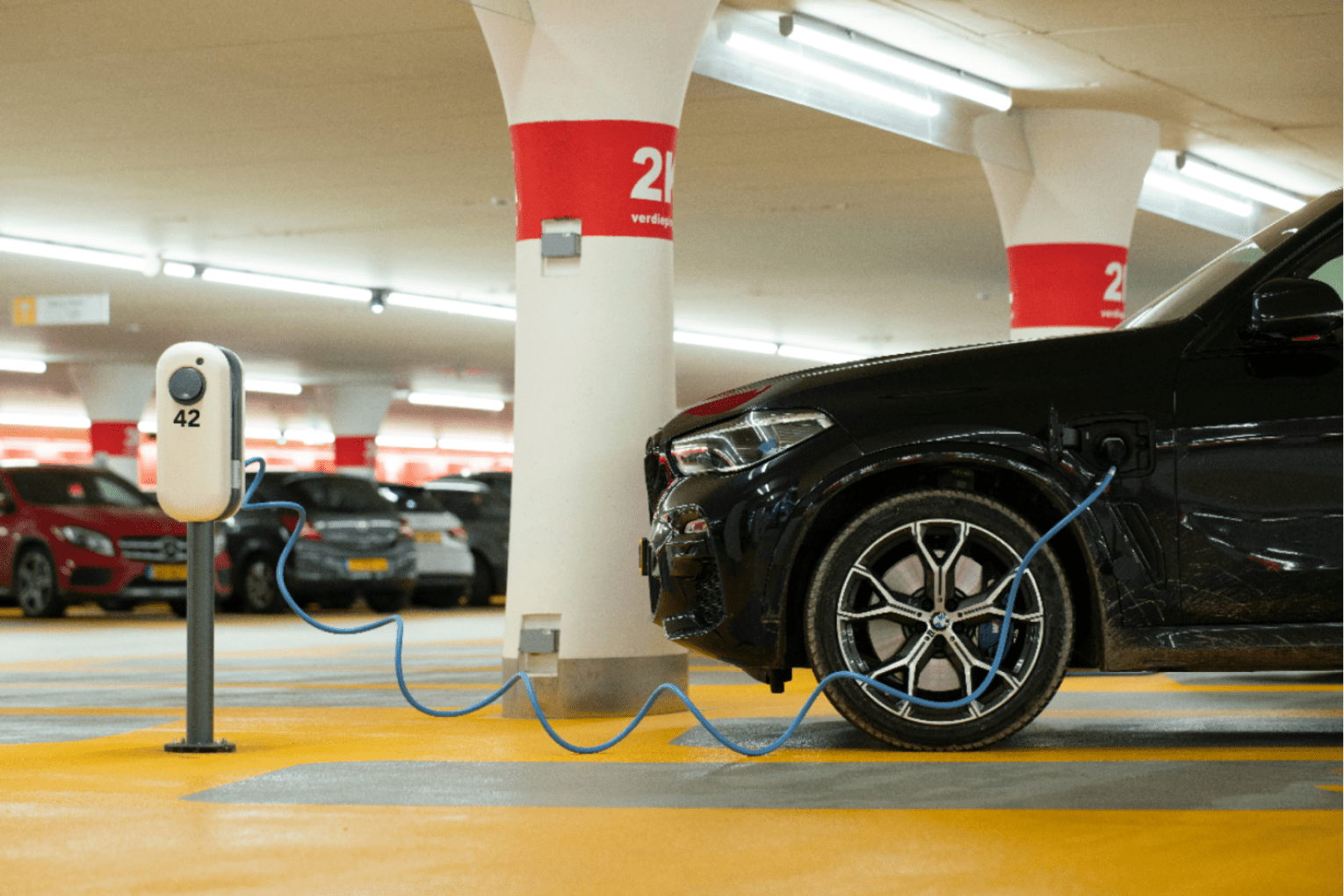
Electric-vehicle sales have reached a new high in Australia as more motorists ditch diesel and petrol models during a period of soaring fuel prices.
However recent footage shared to social media could have some motorists questioning whether it’s worth making the switch.
Several videos posted to Facebook over the Easter long weekend showed EV drivers left stranded for up to five hours as they waited to charge their cars.
One video, which had more than 1.3 million views showed a long line of cars waiting to be charged by a single charger.
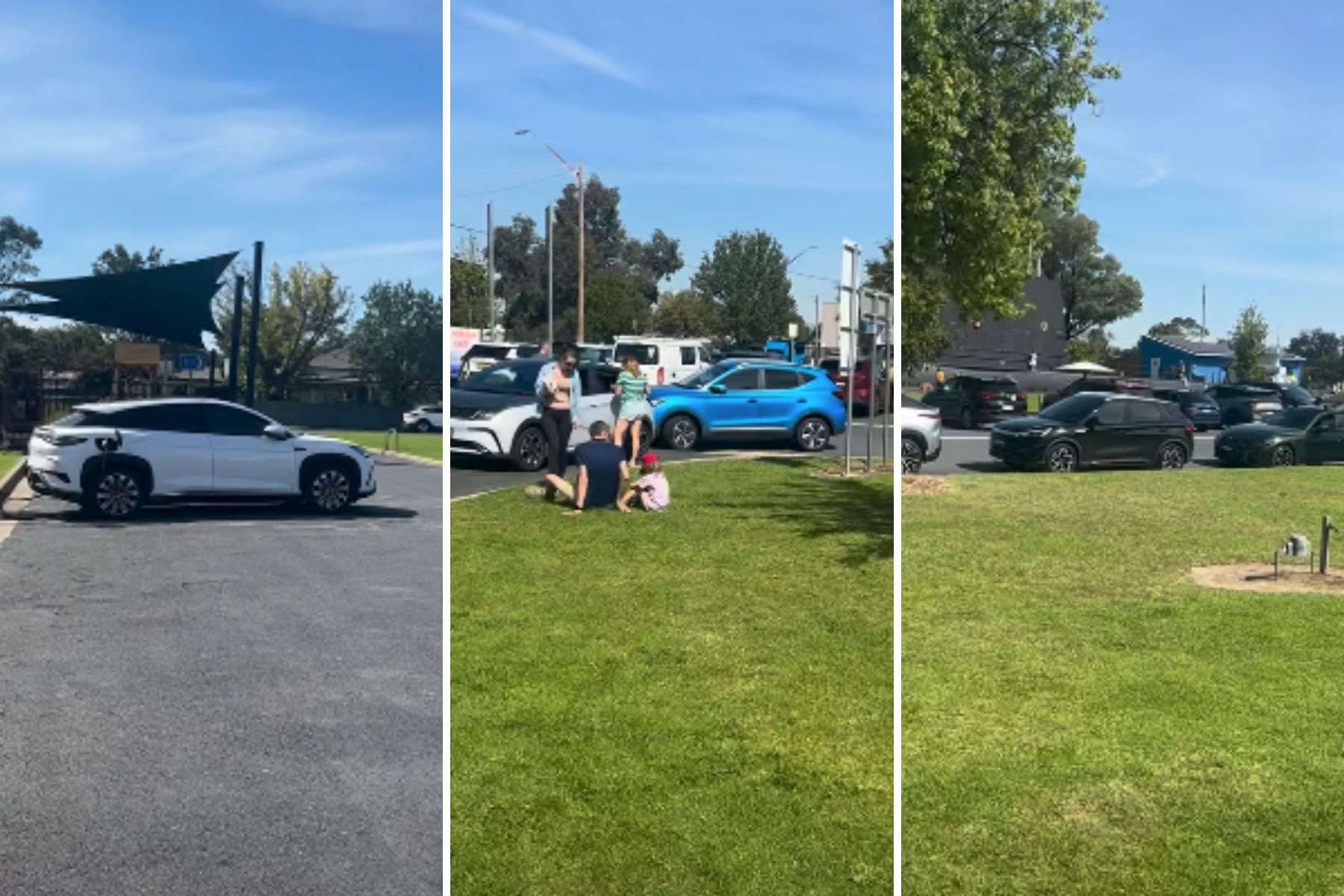
“It really is a disaster an the worst is yet to come with all of this,” one user wrote.
“It hurts to be green,” another commented.
You might like


The frustration comes as the demand for EVs continues to soar.
In March, Australian motorists bought more than 15,800 new electric cars, according to figures released by the Federal Chamber of Automotive Industries.
Pure electric cars represented 14.6 per cent of all new-car sales during the month, growing from 7.5 per cent in March 2025.
The tally was the highest number of electric vehicles sold in Australia in a month, while sales of petrol and diesel vehicles stalled.
Tesla’s Model Y ranked as Australia’s third best-selling vehicle during March as a result of the sales surge and electric vehicles have doubled in popularity during 2026, rising by 115 per cent.
Sales of other low-emission cars also accelerated during March, with hybrid vehicle sales up by 6.7 per cent to almost 18,000 vehicles, while plug-in hybrid sales rose by 18.5 per cent compared to the same month in 2025.
By comparison, petrol vehicle sales slowed by 20.8 per cent during March, and diesel vehicles fell by 10.1 per cent.
The rush for battery-powered vehicles comes as fuel shortages challenge drivers around the nation triggered by the war in the Middle East, which has pushed the price of diesel beyond $3 a litre.
Stay informed, daily
If the trend towards low-emission vehicles was to continue, governments needed to boost investments in electric vehicle chargers, Federal Chamber of Automotive Industries chief executive Tony Weber said.
“A long-term shift to EVs will require Australian governments to sharpen their focus on public charging infrastructure, particularly in regional areas and locations where home charging is not practical,” he said.
“Ensuring infrastructure keeps pace with consumer demand will be critical to enabling sustainable growth in EV adoption beyond short-term influences.”
The sales record comes as RACQ’s principal technical researcher Andrew Kirk warns drivers not all EVs are created equal.
“When fuel prices are this high, choosing an efficient car can save drivers thousands of dollars over the life of the vehicle,” he said.
The RACQ, together with Australian Automobile Association (AAA), analysed the fuel efficiency of more than 150 popular vehicles on real roads instead of in a lab.
They found Toyota dominated the hybrid category, taking out all five top spots.
The program also tested the battery range of Electric Vehicles (EVs), with the 2025 Kia EV3 coming out on top with a real-world range of 537km.
Meanwhile, insurance provider Youi’s latest research showed almost 50 percent of motorists were using their cars less as the fuel crisis bites.
Another 20 percent were cutting their spending in other areas to cope.
-with AAP
Want to see more stories from InDaily Qld in your Google search results?
- Click here to set InDaily Qld as a preferred source.
- Tick the box next to "InDaily Qld". That's it.