Study finds most polluted creeks in Brisbane
A new study has revealed Brisbane’s most micro-plastic polluted creeks, some of which contain more than 4000 potentially harmful particles in a single kilo of sludge.
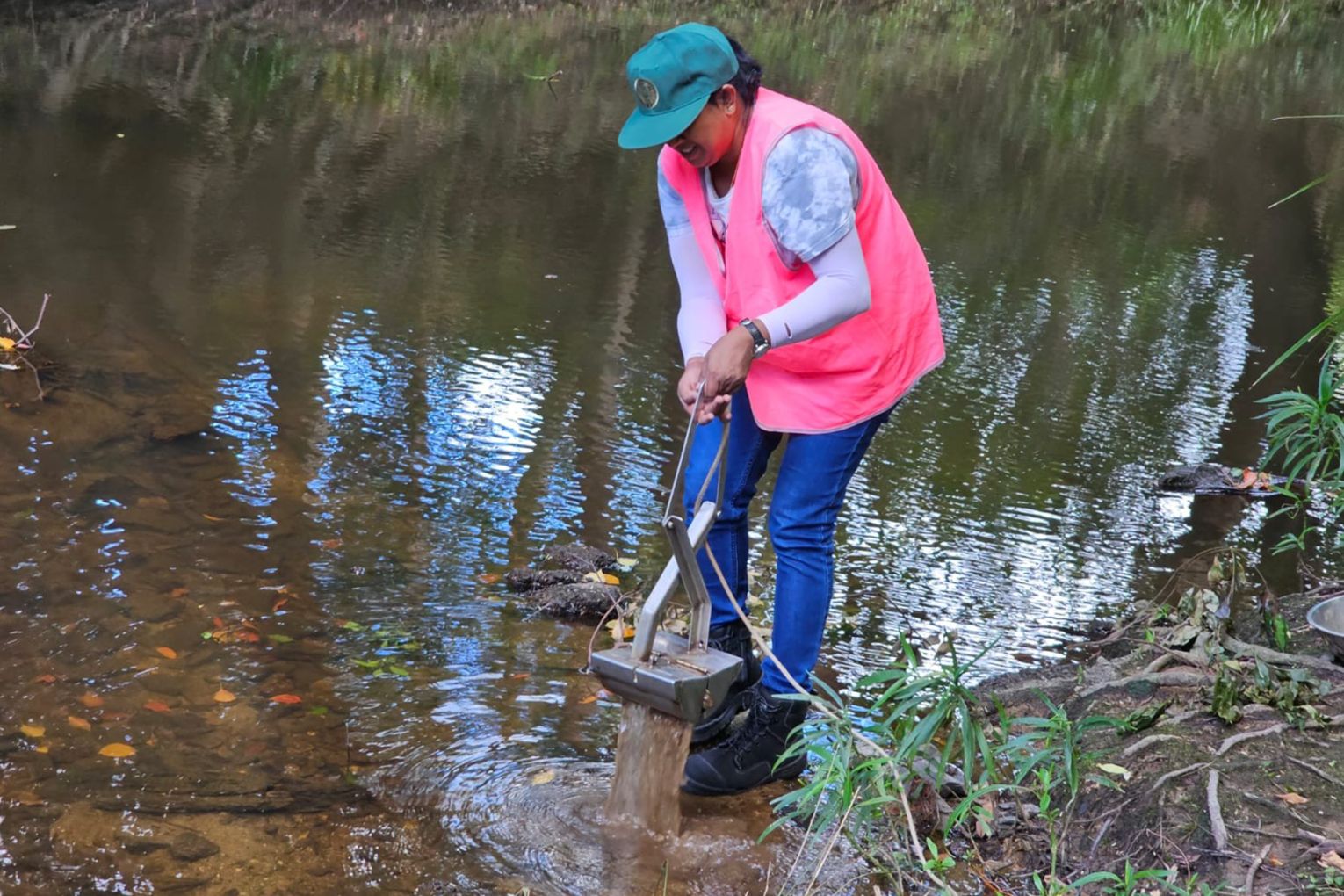
For every kilogram of sediment in two Brisbane creeks, there are more than 4000 tiny pieces of potentially harmful plastic, a new study has found.
A QUT study found Brisbane’s Kedron Brook creek has the highest load of microplastics of all creeks in the city.
It showed that the Bulimba and Enoggera creeks ranked second and third most polluted with microplastics, respectively.
Data for the study took a year to collect, QUT’s School of Chemistry and Physics PhD researcher and the study’s first author Heshani Mudalige said.
“We sampled six sites on each creek, from their upstream headwaters to estuarine level, four times over a year,” Mudalige said.


“Kedron Brook had a median abundance of microplastics with approximately 4400 items per kilogram of dry sediment.”
Mudalige said Bulimba Creek had the second-highest abundance at approximately 4100 items per kg and Enoggera Creek recorded the lowest load with approximately 2800 items per kg.
“Kedron Brook’s microplastic load is strongly influenced by its running through commercial and industrial areas, including the Brisbane Airport precinct,” Mudalige said.
“Bulimba Creek flows through predominantly residential and commercial areas, with ongoing construction/maintenance areas.”
She said overall results showed a seasonal effect on microplastic levels.
“This comparison shows that variations in (microplastic) load are associated with surrounding land-use and the intensity of human activity.”
Stay informed, daily
Associate professor Prasanna Egodawatta from QUT’s School of Civil and Environmental Engineering, said highly urbanised creek catchments in Southeast Queensland were major contributors to microplastic pollution in Moreton Bay.
“This study is a first step towards quantifying land-based microplastic inputs to Moreton Bay via the stormwater pathway,” Professor Egodawatta said.
The study’s research team consisted of PhD scholar Heshani Mudalig and team leader professor Godwin Ayoko from QUT’s School of Chemistry and Physics, and associate professor Prasanna Egodawatta and professor Ashantha Goonetilleke, both from QUT’s School of Civil and Environmental Engineering.
The department of environment was contacted for comment.
Want to see more stories from InDaily Qld in your Google search results?
- Click here to set InDaily Qld as a preferred source.
- Tick the box next to "InDaily Qld". That's it.