Made, but banned, in China: Aussie weedkiller ruling sparks health fears
Health bodies have slammed a decision by a chemical regulator to allow the continued use of a toxic herbicide linked to Parkinson’s disease.
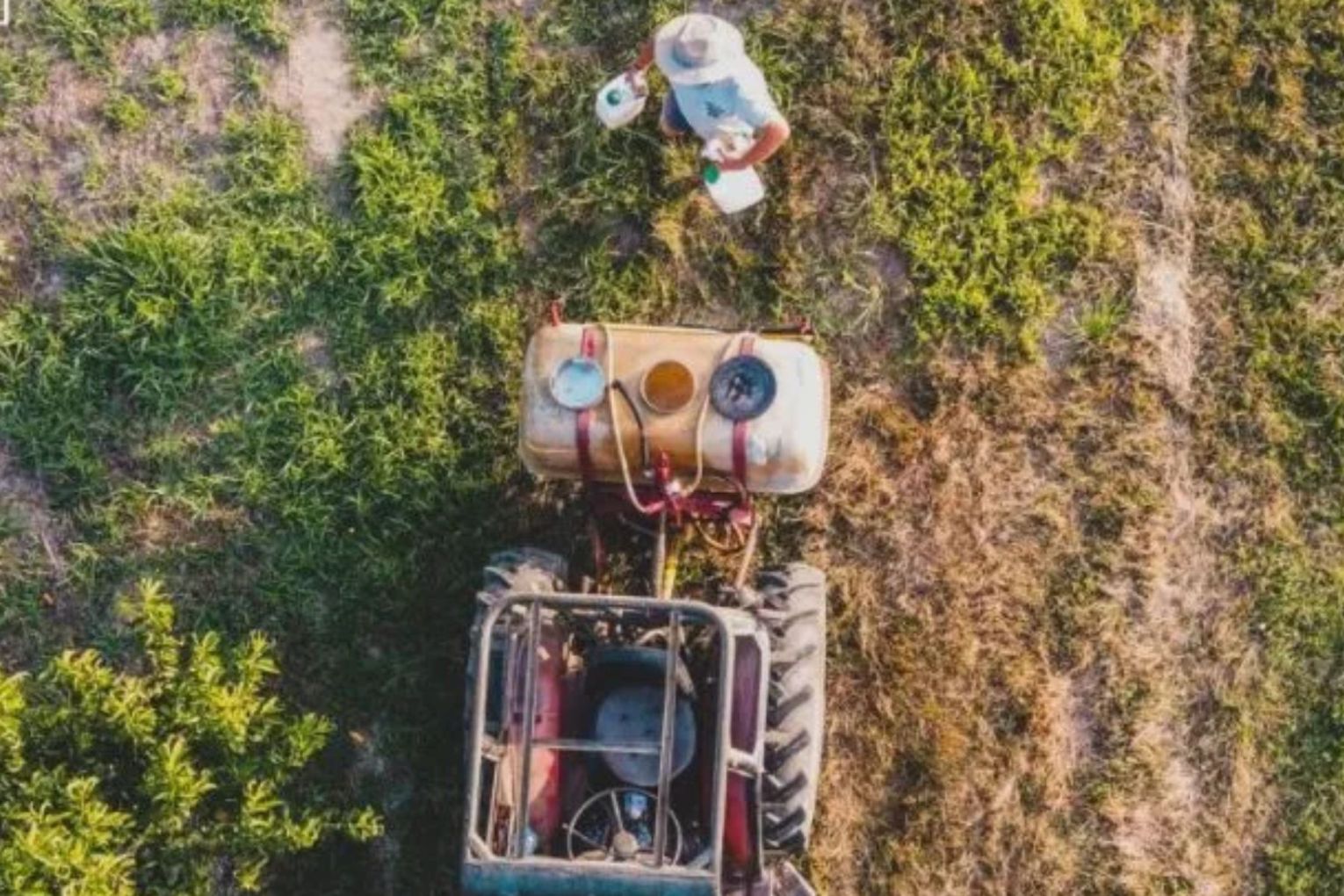
A controversial herbicide linked to Parkinson’s disease has been approved for restricted use in Australia, drawing celebration from grain growers and condemnation from health groups.
Paraquat and diquat will remain available for use after the Australian Pesticides and Veterinary Medicines Authority made its final decision after a 30-year review into the chemicals’ impacts on human health and the environment.
“Both chemicals remain available for use with significant new restrictions on application rates and permitted uses,” the chemical regulator’s chief executive Scott Hansen said.
“To protect users from acute exposure, new restrictions will phase out backpack sprayers and require enclosed mixing and loading systems for all uses, and enhanced personal protection equipment.”
The maximum rate of application will also reduce from 1150 grams per hectare to 231g/ha, although technology-assisted spot-spraying will allow higher rates capped at 30 per cent of the total area.
You might like


Detailed data showing acute toxicity risks for people handling the poison and impacts to birds and mammals foraging in treated areas contributed to the restrictions, the regulator said.
“In making its decision, the APVMA found the weight of evidence does not show that paraquat exposure through approved uses increases the risk of developing Parkinson’s disease,” the regulator said.
Parkinson’s Australia, which has led the campaign to ban the products, slammed the regulator’s “shocking” decision, warning it will have catastrophic health consequences.
The highly toxic herbicide – which is used on crops such as cotton, rice and wheat – has been banned in about 70 countries, including China, the world’s largest producer of the chemical.
Stay informed, daily
Chief executive Olivia Nassaris warned of an impending epidemic and estimated the rate of Parkinson’s will triple by 2050.
She said controls, including increasing PPE and getting rid of backpack sprayers in favour of enclosed cabs, don’t go far enough.
“The APVMA has failed not only farmers who use paraquat but all the other Australians exposed to it,” Nassaris said.
“In the 30 years they’ve been reviewing this chemical, 70 countries around the world have banned it – yet we’ve still got Aussie farmers using it every day.”
Grain Producers Australia welcomed the outcome, saying it ensured producers ongoing access to two critical weed management tools that underpinned minimum and no-till farming systems.
“This is a positive outcome for Australian grain producers and the ability to maintain minimum and no-till farming systems is one of the great success stories of Australian agriculture,” GPA Research Development spokesman Andrew Weidemann said.
“These systems have delivered enormous productivity gains while helping growers protect their soils, conserve moisture and reduce the environmental footprint of grain production.”
Pesticide Action Australia executive director Josh Davis said the regulator’s view on the products stood in contrast with Australia’s leading neurologists and global experts.
“(It) endangers not only farmers and their families, but also rural communities and the general public as we will all continue to be exposed to this toxic chemical through ongoing low level dosages in food, water and air,” he said.
-with AAP
Want to see more stories from InDaily Qld in your Google search results?
- Click here to set InDaily Qld as a preferred source.
- Tick the box next to "InDaily Qld". That's it.