Brisbane researchers create new map of the human heart
A Brisbane-based medical research institute and statutory authority has created a detailed map that could help save lives.
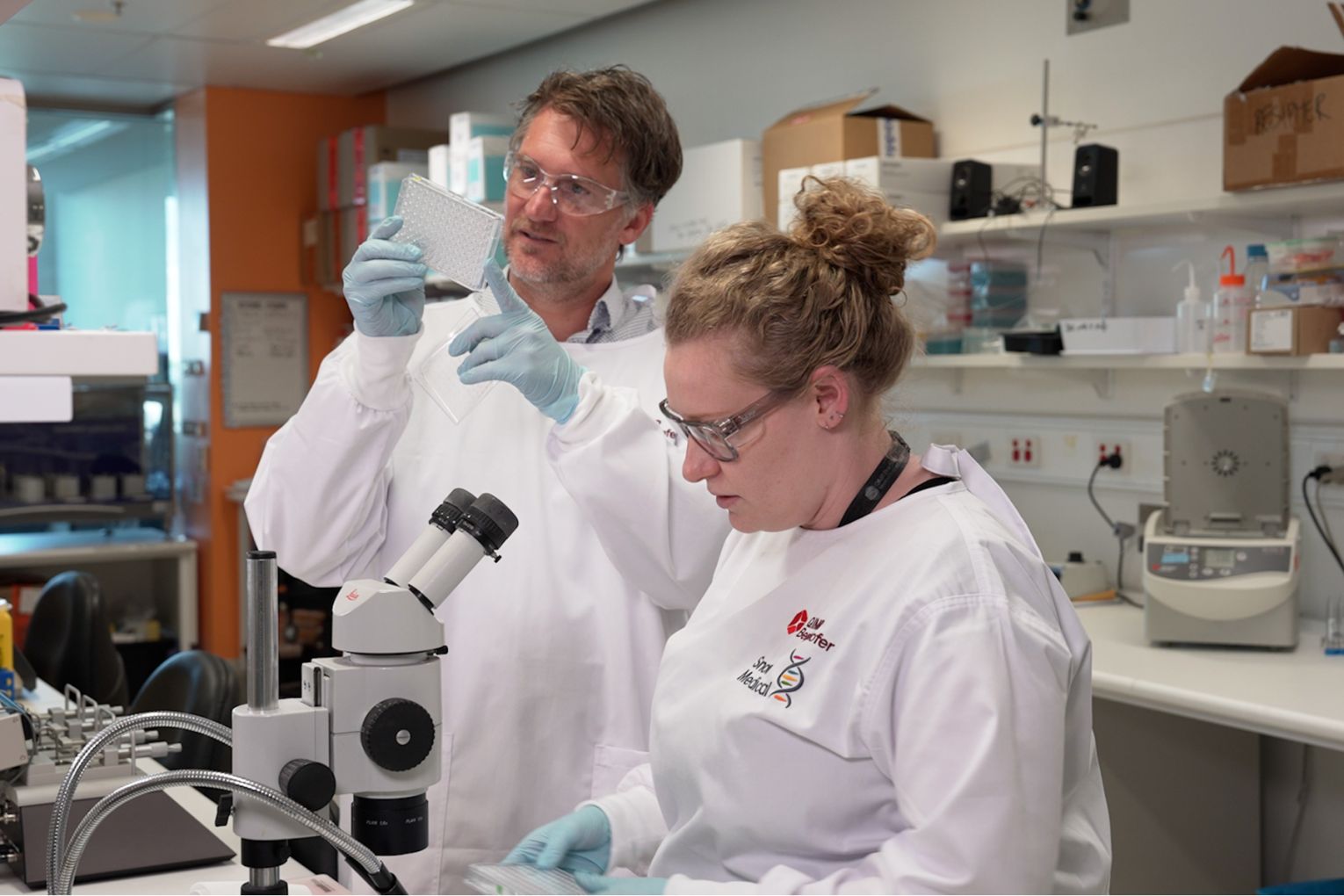
QIMR Berghofer researchers have created an ‘Atlas of the Heart’, an online resource called Cardiopedia-Ligand, which catalogues the human heart’s intricacies in clear detail.
The map shows the chemical signals that control heart function and how heart tissue responds to more than 80 biological signals, making it an unprecedented reference tools for industry professionals.
A study published in Cell Stem Cell used miniature human heart tissues grown in the lab known as human cardiac organoids to test 87 signalling molecules interacting with heart cell receptors.
For each treatment, researchers measured the strength of tissue contractions and which genes were switched on or off, to generate a comprehensive dataset that links biological signalling with heart function and gene activity.
Professor James Hudson, Head of QIMR Berghofer’s Cardiac Bioengineering Laboratory, said the atlas fills a major gap in understanding, saying these molecule signals and their effects had not been mapped before.
You might like


“For the first time, we’ve brought all that information together into a single resource that researchers can use to better understand heart disease,” Hudson said.
“This project has taken five years to build, generate and analyse. We wanted to make the data free for everyone because we’re excited to see how researchers use it and the discoveries it could help accelerate.”
The atlas has been made publicly available through an online portal, allowing researchers worldwide to explore and analyse the data.
“Someone working on a certain ligand might want to look up what it does to function. Another person might want to see what that ligand does to expression of different genes correlated with disease. There’s just so many different applications,” he said.
Stay informed, daily
Research officer Dr Janice Reid said the project was made possible by the team’s organoid platform, allowing the production of more than a thousand organoids each week.
“The cells in the heart are constantly talking to each other using chemical signals known as ligands,” Reid explained. “These ligands have been explored before, but mostly individually and in very different models.”
“What we’ve done in this study is compare them all in one go, allowing us to directly compare their similarities and differences,” she said.
This heart map work is the first phase of an initiative supported by the Snow Medical Foundation.
Professor Reid said similar large datasets already exist for diseases like cancer, but not for the heart.
“We’ve been able to build the models and pipelines needed to start creating these resources for cardiovascular research, which could lead to more precise answers about heart disease.”
The next phase will screen 2,000 drug compounds to build an even more comprehensive map of heart biology and responses to potential therapies, in order to support more personalised heart disease treatments.
Hudson said the goal was to increase the number of drugs that are effective for heart failure that actually act on the heart tissue.
“The grand vision of the project is that, for personalised medicine, someone can go to the hospital and their genetics and biomarkers are exactly matched to an effective drug,” he said.
“Most scientific papers bring a sense of completion when they’re finished. This one is different. This is the beginning of our resources to accelerate future discoveries.”
Want to see more stories from InDaily Qld in your Google search results?
- Click here to set InDaily Qld as a preferred source.
- Tick the box next to "InDaily Qld". That's it.