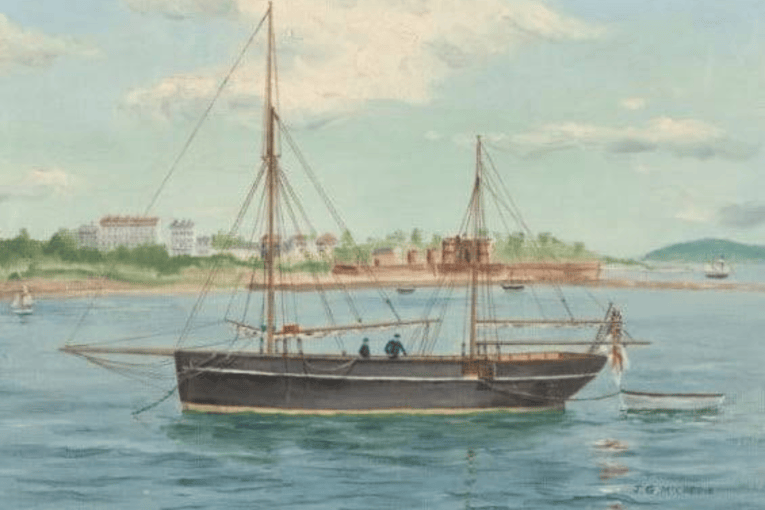
‘Remarkable luck’: Lost shipwreck found off Australian coast
A maritime mystery – exactly 128 years in the making – has finally been solved in a special expedition overseen by the Royal Australian Navy.
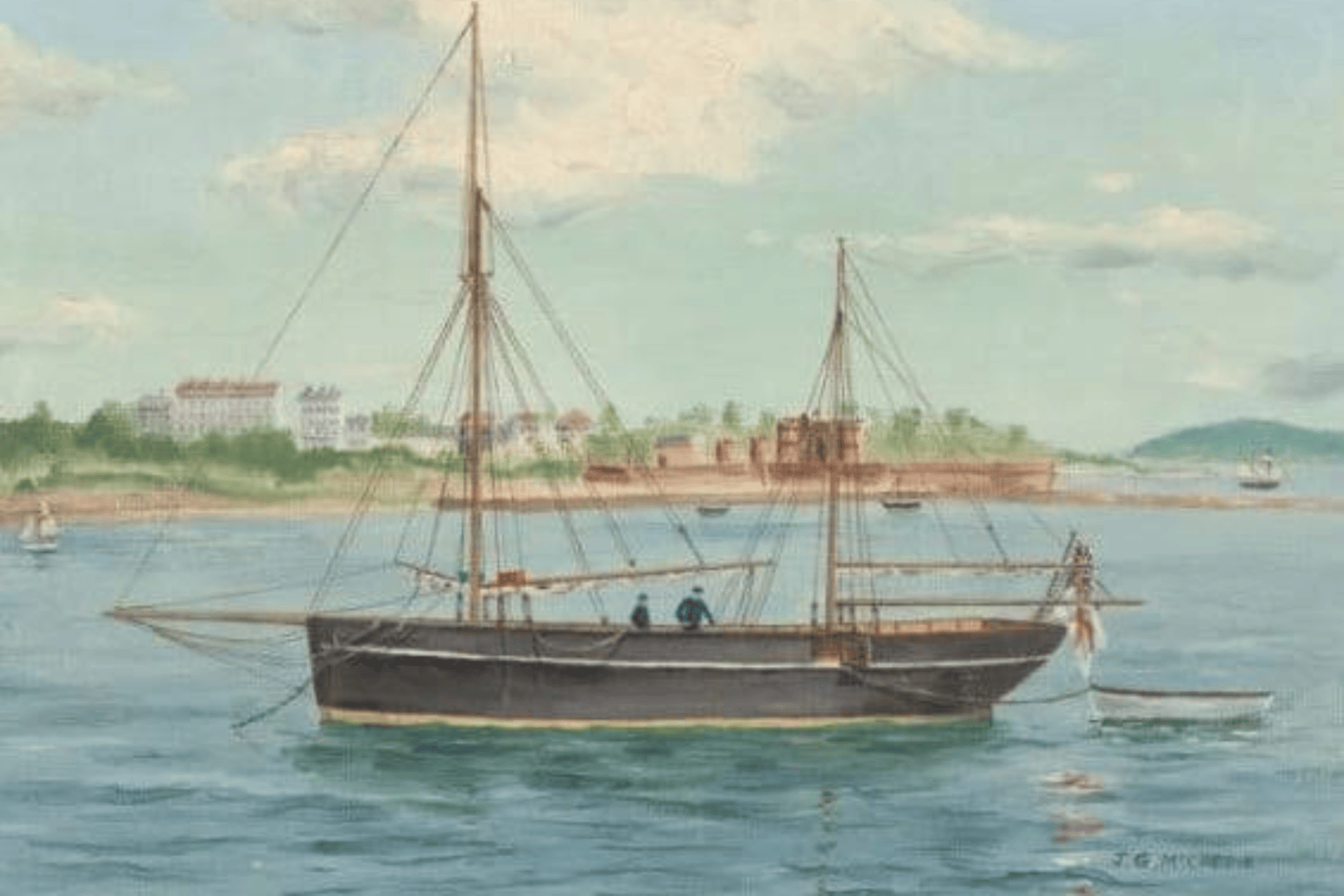
The wreck of the first Australian-built warship ex-HMCS Spitfire has been discovered – 128 years to the day it sunk off the Far North Queensland coast.
The discovery was made by maritime archaeologists from the Australian National Maritime Museum (ANMM) and Queensland’s Department of the Environment, Tourism, Science and Innovation (DETSI).
It followed a month-long expedition conducted by the Royal Australian Navy, involving a Huon-class minehunter, a dive team and remotely operated vehicles.
Chief of Navy Vice Admiral Matthew Buckley said the 16-metre gunboat was an important piece of Australian maritime heritage.
“Spitfire occupies a unique place in Australia’s naval history as the first warship built in Australia for Australian service,” Buckley said.


“For sailors today, this vessel represents the beginning of a story that continues in the Royal Australian Navy.”
Spitfire was Australia’s first home-grown warship, launched in 1855 at the shipyard of John Cuthbert on Sydney’s Darling Harbour.
It was built for service with an Australian colonial government to patrol the waters of coastal New South Wales.
Later, it served Queensland as a pilot vessel and buoy tender before it became a private working ship in 1885.
Three years later, in 1898, it floundered while on a shipping voyage and sank off the Far North Queensland coast.
There was no loss of life when it sank.
Stay informed, daily
Australian National Maritime Museum manager of maritime archaeology Dr James Hunter said sonar was used to help locate the wreck.
“From the museum’s research, we knew Spitfire’s estimated loss position from archival records and there was much celebration when the wreck site was discovered after a month-long search.”
According to maritime archaeologist Celeste Jordan, it was “remarkable luck” the wreckage was discovered on the 128th anniversary of its sinking.
The wreck remains underwater and is protected under the Underwater Cultural Heritage Act 2018.
Want to see more stories from InDaily Qld in your Google search results?
- Click here to set InDaily Qld as a preferred source.
- Tick the box next to "InDaily Qld". That's it.