Flood fund research reveals recovery for thousands of Queenslanders
Researchers have released their findings on Queensland’s flood fund, looking into the fate of thousands of homeowners facing widespread damage.
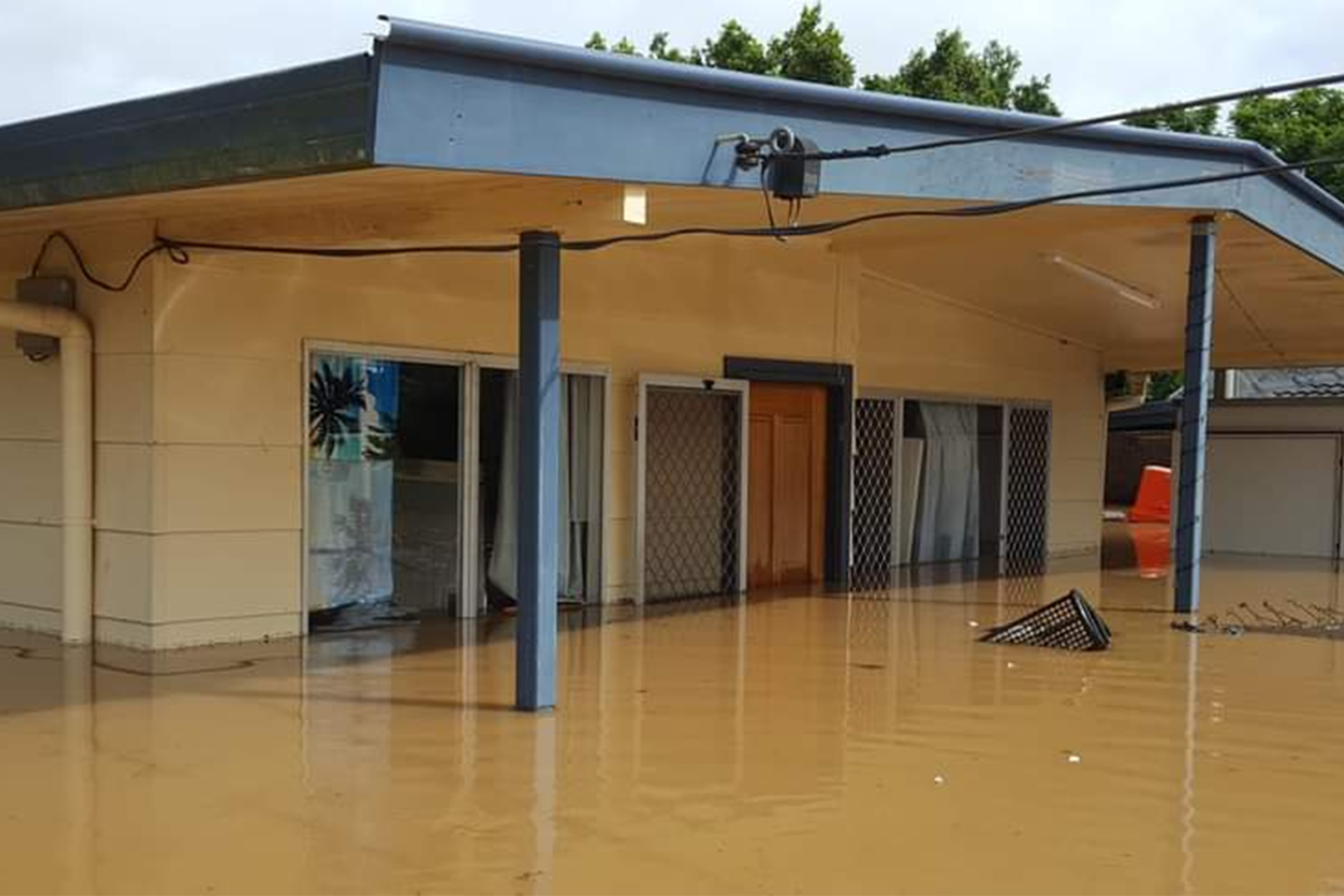
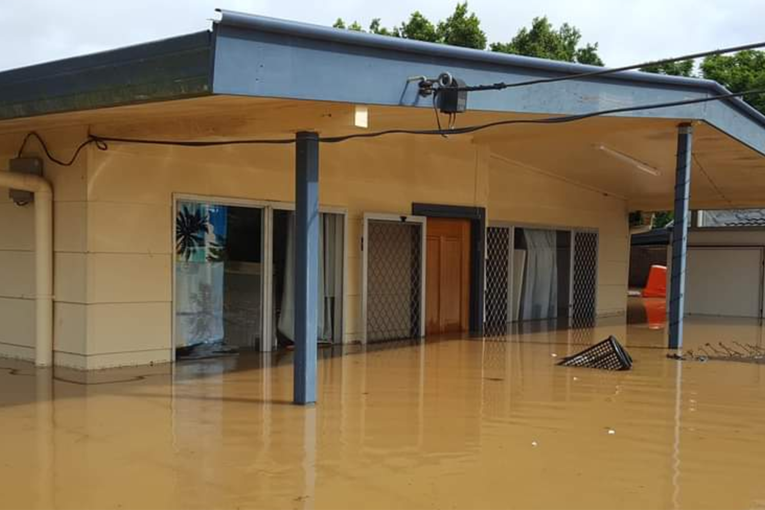
An independent evaluation has highlighted the $741 million Queensland Resilient Homes Fund’s (RHF) significant contribution to flood resilience across the state since its official launch in March 2022.
The housing resilience recovery program is the first of its kind, and was found to support the recovery of thousands of homeowners across 39 local government areas following the 2021-22 SEQ floods, which caused widespread damage and had a estimated damage cost of $7.7 billion.
Other recent major flood events across the state include the recent Quilpie floods, Christmas Day severe storms across SEQ in 2025, active monsoon season and slow-moving pressure systems that impacted 45 local government areas across Northern and Central Queensland in early 2o23, and tropical cyclone Jasper which caused catastrophic flooding in the Far North in December 2023.
The program was evaluated by the University of Queensland and University of Melbourne for Natural Hazards Research Australia and the Queensland Reconstruction Authority, the research fining program helped improve confidence for homeowners.
Lead UQ researcher Professor Paula Jarzabkowski will share research findings at the annual AFAC26 (Australian Fire Authorities Council) conference in Melbourne this week.
“The RHF provided significant support to increase the flood resilience of thousands of Queensland homes through Voluntary Home Buy-Back, Home Raising and Resilient Retrofit,” Jarzabkowski said.
The RHF is jointly funded by the Australian and Queensland Governments under the Disaster Recovery Funding Arrangements (DRFA), and offers homeowners these three voluntary interventions to build their flood resilience.
“Increasing flood resilience is challenging because no two homes or homeowners are the same,” Jarzabkowski said.
As of December 8, 2025, the program received 6,558 Registrations of Interest, with 685 Voluntary Home Buy-Back contracts settled, 341 Home Raising Grants completed and 805 Resilient Retrofit grants completed.
The evaluation found the RHF achieved its objectives of helping homeowners better understand their flood risk, implement practical resilience measures and support community recovery.
Prof Jarzabkowski said many homeowners were making complex, life-changing decisions while still recovering from the impacts of flooding.
Stay informed, daily
“Programs like the RHF need to recognise that people have different levels of capacity, support and confidence when navigating these choices.”
The evaluation’s key learnings included:
- delivery became more homeowner-centred over time, with case management and one-to-one technical support helping homeowners navigate complex decisions and support grant uptake
- homeowner circumstances shaped people’s ability to participate and progress, such as financial capacity, language, digital access and social support
- program staff, service navigators and builders played essential roles in helping homeowners move through the process
- future programs could be delivered more efficiently by retaining templates, systems and guidance
- the program is likely to contribute to reduced future response and construction costs, although this will require longer-term monitoring as works are completed and future flood events occur
The research team recommends future disaster recovery and resilience programs make better use of existing data and systems developed through the RHF rather than starting from scratch after each disaster.
Want to see more stories from InDaily Qld in your Google search results?
- Click here to set InDaily Qld as a preferred source.
- Tick the box next to "InDaily Qld". That's it.