Warnings raised over new Qld mining legislation
A QUT Professor is warning that proposed changes to rules governing the mining industry could erode regulatory guardrails.
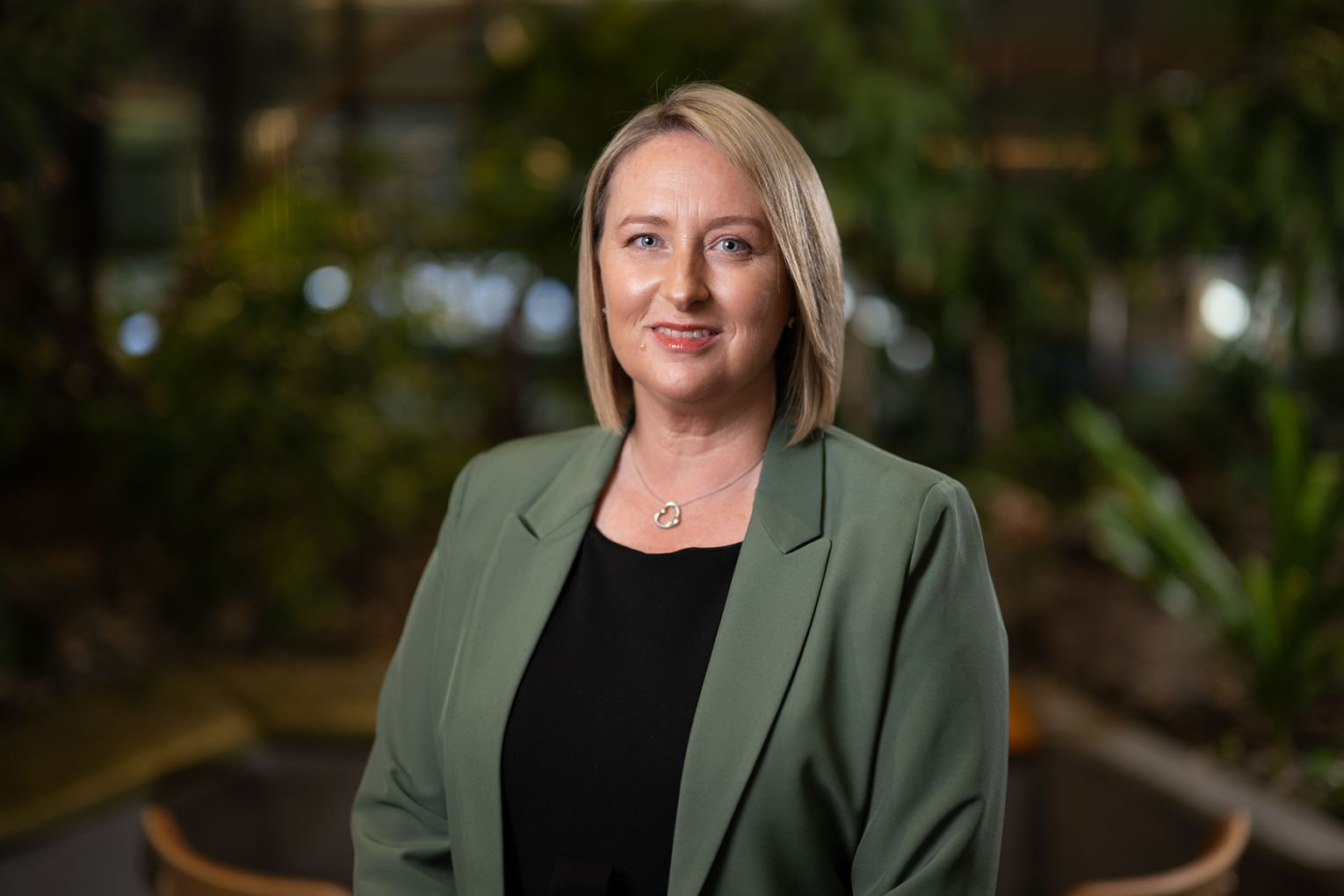
Dean and Head of QUT’s School of Law Professor Amanda Kennedy is recommending that a bill governing mining rules and regulations not be passed.
Ahead of Queensland Parliament’s public hearing on the Mineral Resources and Other Legislation Amendment Bill 2026 taking place today, InDaily Queensland spoke with Kennedy, who said her concerns were over potential environmental impacts and the erosion of crucial checks and balances.
Professor Kennedy made a submission to the Primary Industries and Resources Committee along with QUT co-authors Professor Melissa Haswell, Oscar Davison, Dr Monica Taylor, Professor Bridget Lewis, Dr Deanna Meth and Dr Fiona Crawford, who span law, justice and public health industries.
The proposed Bill amendments were introduced to Parliament by Minister for Natural Resources and Mines, Dale Last, on September 15.
When Minister Last introduced the amendments in September, he said they would deliver reform for Queensland’s mining industry.
This would include removing regulatory duplication to streamline approvals, restricting objection rights to parties within a 125km radius of the proposed project and discretionary land court referrals.
“For years Queensland has been subject to environmental lawfare driven by activists based in Melbourne designed to shut down one of Queensland’s largest industries at the detriment of workers and regional communities that rely on mining,” Minister Last said.
He said the reforms would “put an end to the madness” that saw objections from activists automatically referred to the Land Court, leaving projects “in limbo for years”.
You might like

A final public briefing is scheduled to take place today in Brisbane at Queensland Parliament.
The submission from the QUT team outlines their three main aspects of concern regarding the proposed Bill amendments: the restricted objection rights, the fundamental changes to the Queensland Land Court and giving sole decision-making power to the Minister, and risks to the key pillars of sustainable development.
Professor Kennedy said her concern with restricting objection rights was due to the a lack of explanation around the 125km limit.
“The Chief Executive of the Resources Council called it an arbitrary number and the impacts of mines don’t really respect a fixed arbitrary number like that either,“ Professor Kennedy said.
She explained that groundwater moves through catchments across the state, so a mine in an upper catchment can affect irrigators that exist a very long way downstream.
“In that sense, a tourism operator at Airlie Beach or Cairns, hundreds of kilometres away, has a real interest in the cumulative effect of these projects being approved,” Kennedy said.
Professor Kennedy added that greenhouse gas emissions have no local boundaries and that the restrictions do not take First Nations’ cultural responsibilities into account either.
“When people who are affected by or will suffer some impact from a decision can’t participate or raise an objection in that decision-making process, you don’t necessarily get a better decision,” she explained.
Professor Kennedy was also concerned that the proposed changes to the Queensland Land Court would fundamentally change important processes.
Stay informed, daily
“It’s important to be clear that the bill isn’t giving the minister a power that they don’t already have,” she said.
“At the moment it is perfectly possible for the minister to completely ignore the recommendation of the Land Court, but what shifting that referral to the Minister does is it removes that step of scrutiny.“
She explained that if the minister can already reject what the Land Court recommends, removing the Land Court from the process doesn’t give the industry certainty but gives the Minister discretion, which is not the same thing.
Professor Kennedy brings up a past case where the New South Wales Independent Commission Against Corruption looked at the risks of weakened safeguards under proposed changes similar to the ones taking place right now in Queensland, which found third-party appeal rights were limited, removing an important check on the Government.
“The point that we’re making here is very much about how you design a system so that it’s resistant to corrupt behaviour,” Professor Kennedy said.
“We’re not saying that corrupt conduct will occur, but that there is an opportunity for it to take place.”
Professor Kennedy’s submission proposed parliament take the opposite approach to widen opportunities for public participation and protect the integrity of ministerial decision-making.
“So how do we do this in practice?” she said, “Well, you keep those automatic referrals of objections to the Land Court so that whether or not a matter is independently examined doesn’t come down to a political decision of one minister.”
Professor Kennedy acknowledged the criticism that the process of raising objections is very time consuming, but said there were ways to deal with that.
Another case which Professor Kennedy said should be taken into consideration is the High Court’s findings on a climate change case for the first time ever earlier this month.
The case concerned an extension to the Mount Pleasant coal mine in Hunter Valley, which the High Court handed down by a majority of three judges to two.
“The High Court held that the applicable New South Wales planning rules required it to consider conditions that would minimise all of the project’s emissions, including those from burning the coal,” Professor Kennedy said.
“Because it did not do that, the approval was invalid.”
She said the importance of the decision was that the High Court rejected the argument that coal burned overseas is the responsibility of the importing country under that country’s own commitments.
Professor Kennedy said it was an important distinction that the Queensland legislation wasn’t a response to the High Court decision, and that they were very much independent of each other.
“The decision is not radical,” she said.
“It holds a decision-maker to obligations the statute already imposed, and illustrates why transparency and accountability are critical at the approval stage.”
Want to see more stories from InDaily Qld in your Google search results?
- Click here to set InDaily Qld as a preferred source.
- Tick the box next to "InDaily Qld". That's it.