Ethanol vs Petroleum: leading body calls for a public debate
Australian Sugar Manufacturers threw out a challenge in a Queensland parliamentary hearing this morning.
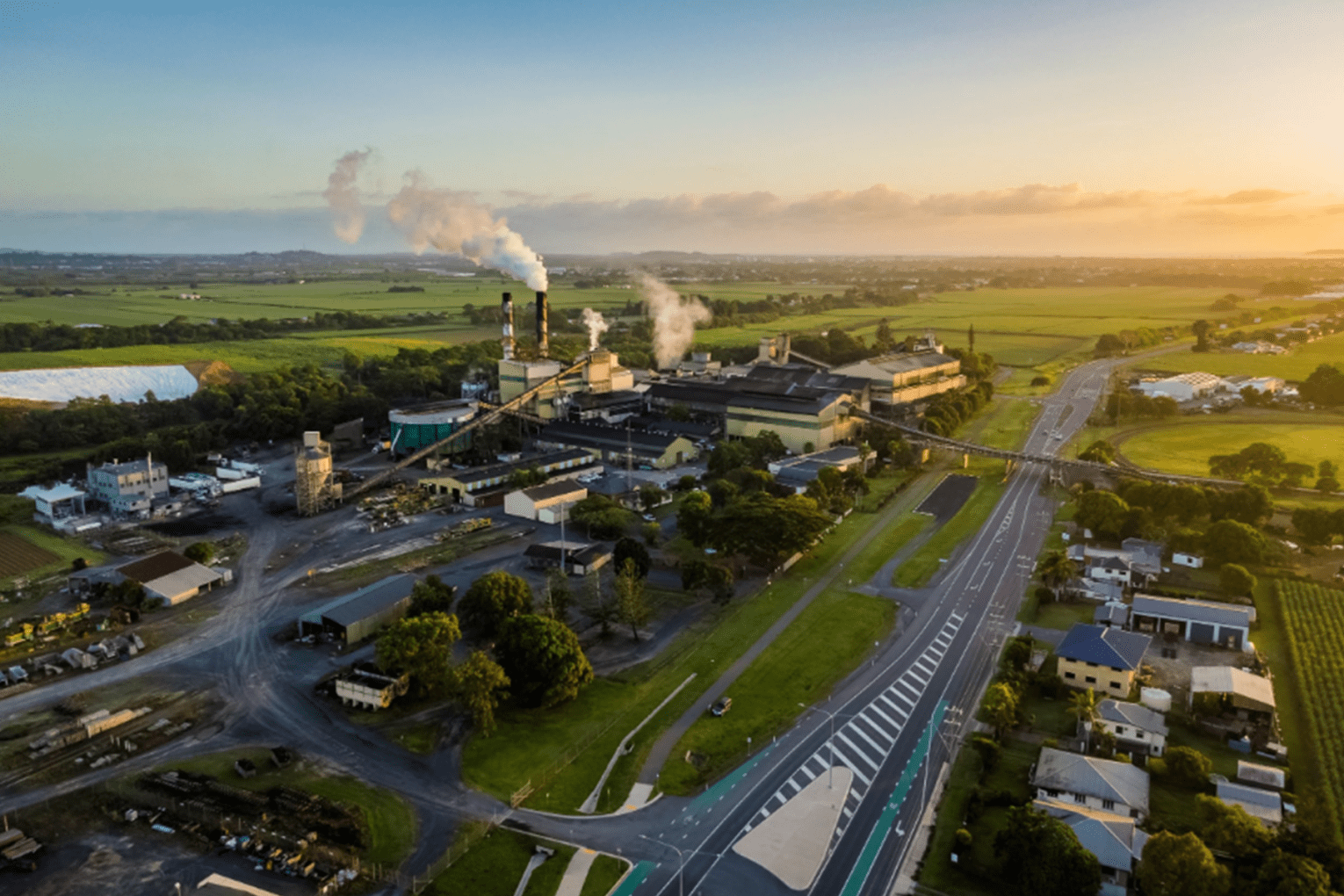
Australian Sugar Manufacturers CEO Ash Salardini threw out a challenge at a Queensland parliamentary hearing into strengthening Queensland’s E10 fuel mandate this morning – calling on the country’s leading petroleum body to a debate.
The challenge comes after the decision to not include ASM as a witness at today’s Queensland parliamentary hearing into the Liquid Fuel Supply (Ethanol and Outer Biofuels Mandate) Amendment Bill 2026.
The Bill aims to address the artificial barriers to greater E10 uptake, support the growth of the state’s biofuels industry and enhance fuel security.
Salardini said ASM’s support for Australia’s switch to homegrown ethanol as an alternative to affordable liquid fuel supply saw the organisation means the organisation should have been present at the hearing.
“Committee Chair, Michael Crandon MP, refused to allow Australian Sugar Manufacturers to present evidence at the hearing today, while he was willing to provide the Australian Institute of Petroleum the opportunity to talk down ethanol and E10,” Salardini said.
You might like

He added that Australians deserve to hear both sides of the story on ethanol and its benefits for fuel security and sovereignty.
“If the oil industry believes ethanol use is not in Australia’s interests, it should defend that position publicly and be held up to public scrutiny,” Salardini said.
ASM has called for a public debate on Aussie ethanol vs imported oil between Ash Salardini and the Australian Institute of Petroleum at the National Press Club in Canberra on the future of Australia’s fuel security.
“Let’s debate the evidence fairly and openly, and in an environment where misrepresentations can be challenged, because Australians deserve to hear the facts.”
Stay informed, daily
ASM not only makes sugar but also biofuels, with ethanol and sugar byproducts serving as an avenue to scale a sovereign capability in low carbon liquid fuel production.
Salardini says ethanol is not only a low emissions fuel but also cheaper than ULP both at wholesale and retail levels on a lite for litre basis.
“Yet, there has been no increase in ethanol demand, not even during a global fuel supply crisis, because oil majors make less margin on homegrown ethanol than imported oil.”
ASM says the sugar industry can offer a real opportunity for fuel security and sovereignty, with its potential to produce 2.5 billion litres of ethanol (nearly 15 percent of Australia’s petrol needs).
“Nearly 60 countries have been using ethanol as fuel, some for many decades, and vehicle engines have not blown up, fuel infrastructure has not rusted away, and petrol stations haven’t closed their doors,” he said.
“We are not falling behind our economic peers on E10, we are falling behind the likes of Uganda and Bolivia.”
The hearing continues.
Want to see more stories from InDaily Qld in your Google search results?
- Click here to set InDaily Qld as a preferred source.
- Tick the box next to "InDaily Qld". That's it.