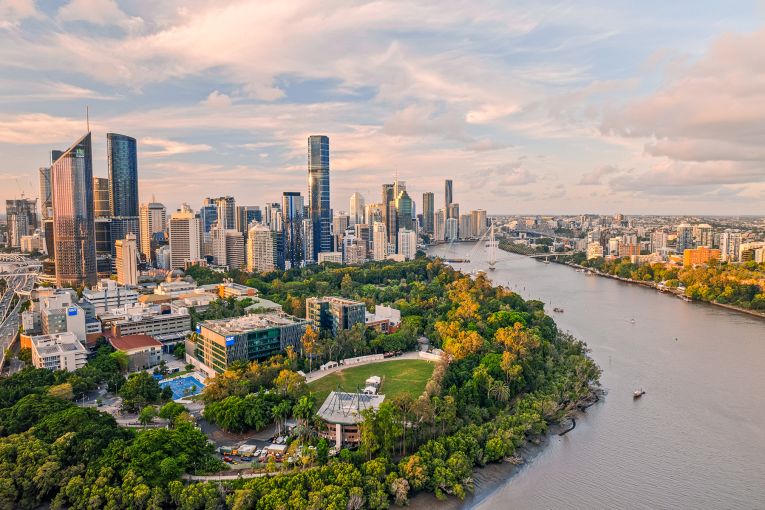
Your outdoor setting is no match for a Brisbane summer
Brisbane doesn’t give outdoor furniture an easy run, especially once summer settles over a deck for months.
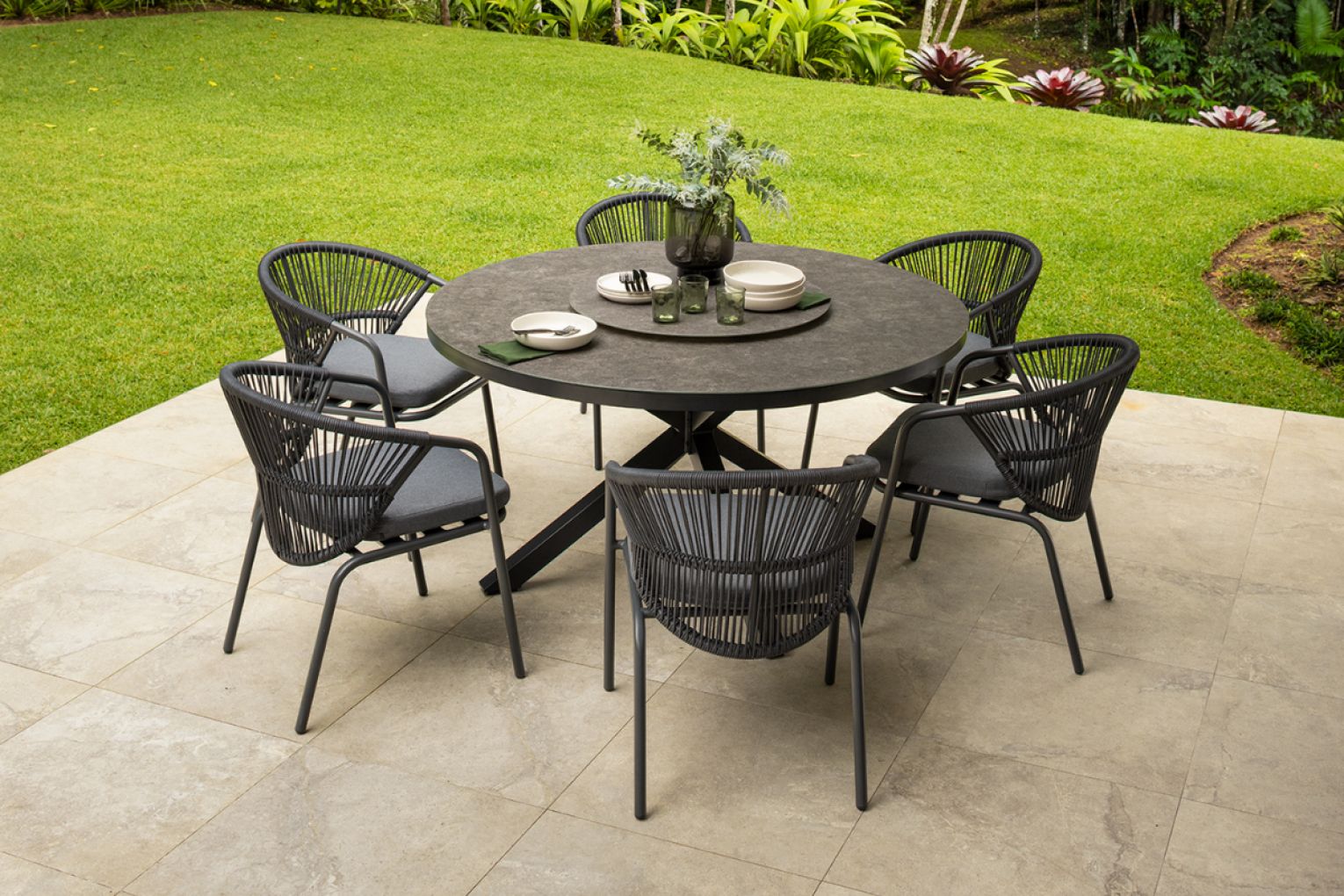
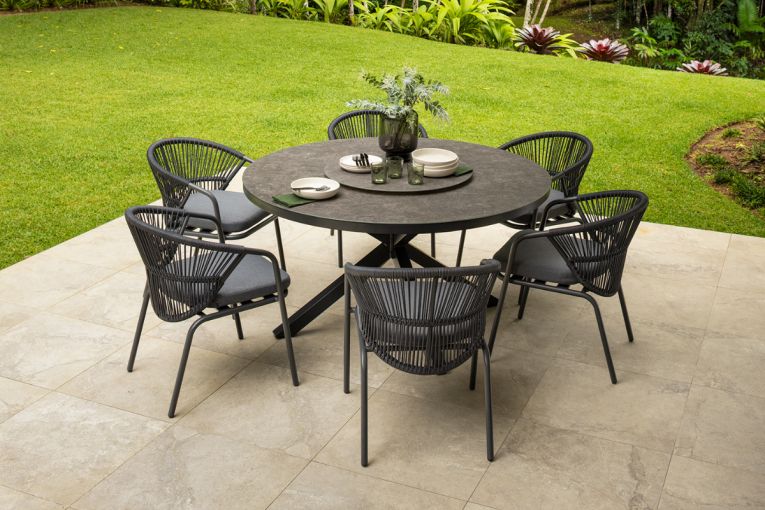
A setting can look perfectly suited to your deck and still be a poor match for the conditions outside. Heat, humidity, summer rain and long afternoons of sun can expose weak materials quickly, long before a setting stops looking right for the space. Timber can hold moisture, coated metal needs care near salt air and exposed fabrics can fade under repeated afternoon sun.
Dining and lounge settings face the same weather in different ways, so styling should come after the material specification. Before you compare colour or seat count, start with moisture, UV, salt exposure and what the material line actually tells you.
The mould and fade problem
Humidity doesn’t need direct rain to cause trouble. A covered patio can stay damp after a storm, especially where airflow is poor or furniture sits close to walls. Mould can form on damp timber and natural fibres if they don’t dry properly, and deep shade can slow that drying further.
The Bureau of Meteorology’s 2026 climate statistics for Australian locations puts Brisbane’s mean February rainfall at 176.1mm and annual mean at 1065.2mm. That’s plenty of wet weather for furniture that dries slowly between showers.
You might like

Strong UV can fade dyes and weather some finishes, especially on west-facing decks that take long afternoon sun.
Salt air on a bayside deck
Bayside suburbs add another job to the care list. Wynnum, Manly and Sandgate can receive airborne salt, which settles on exposed frames and joints after breezy weather. A scratch or chip in a protective coating can expose steel underneath, so regular rinsing and quick repairs matter more close to Moreton Bay.
What the material line tells you
The material specification should narrow the shortlist before colour does. Powder-coated aluminium avoids the rust risk of untreated steel, although its coating still needs care near salt air. Timber suits spots where it can drain and dry properly, and owners can match maintenance to the timber species and exposure.
UV-resistant wicker or fabric earns its place where afternoon sun reaches the setting, especially if shade changes as the day moves. The Bureau of Meteorology’s 2026 Brisbane climate statistics record 74.3 days a year at or above 30°C. In Brisbane, heat belongs in the brief before the styling does.
Where you can filter for it
Start with the site, then filter the range around those conditions. Amart Furniture started in Brisbane in 1970 and lets you narrow its outdoor furniture by primary material before using seat count or price. That makes it easier to rule out poor matches for a bayside deck before a shape catches your eye.
The material filters keep the comparison practical, with options including aluminium, timber, steel and UV-resistant wicker. A bayside deck may need a different shortlist from a shaded courtyard, especially where salt or direct sun reaches the furniture.
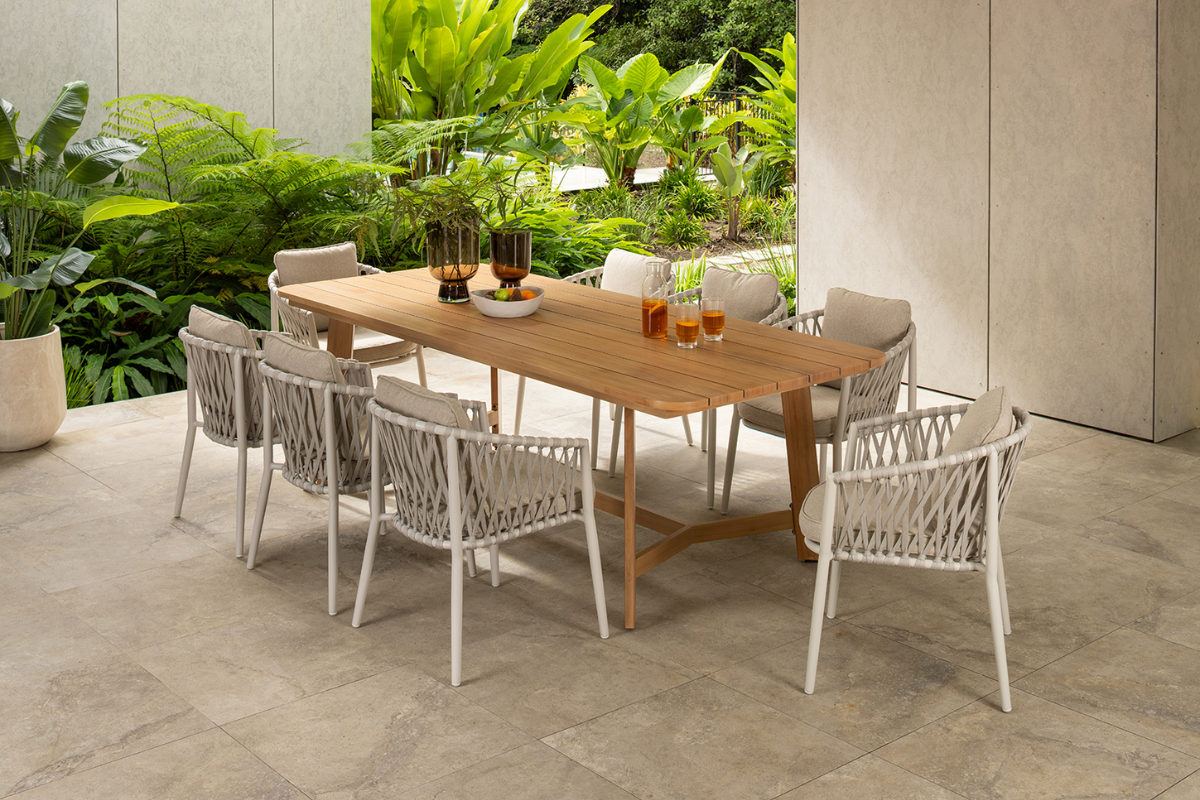
Seat counts, clearance and afternoon sun
Seat count only starts the measurement, so pull every chair out and check the walking path behind it and nearby doors. On west-facing decks, give shade and UV-resistant materials more weight. Price can come later, once you know the setting fits the available space and the exposure around it.
The spec sheet over the styling
A good-looking setting can still be the wrong fit for a wet, sun-exposed deck. Reading the material specification first turns Brisbane’s climate into a buying filter. It also gives you a better reason to reject a setting than simply deciding the colour feels wrong.
With 65 stores across Australia, Amart gives Brisbane shoppers an outdoor range with material filters before style takes over. Check the material and care notes first, then measure the table with every chair pulled out. Keep that number beside the specification while you compare settings, especially with a door or barbecue nearby.
Want to see more stories from InDaily Qld in your Google search results?
- Click here to set InDaily Qld as a preferred source.
- Tick the box next to "InDaily Qld". That's it.