Meet Adele Varcoe, the artist turning 1000 onesies into wearable works of art
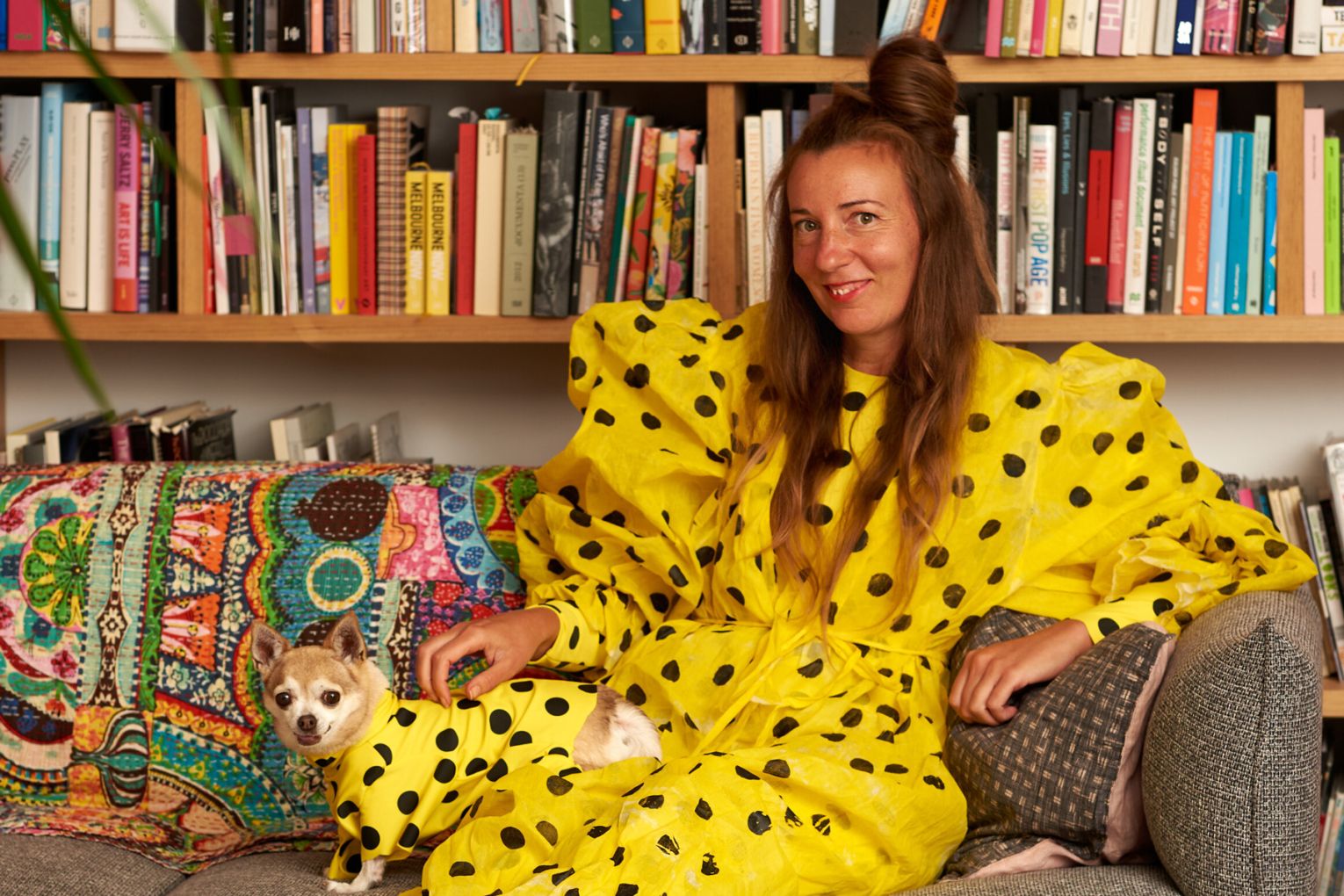
What happens when you step out of your everyday wardrobe and into a onesie? Artist Adele Varcoe’s Onesie World is a playful, large-scale participatory artwork exploring how clothing shapes our identity, emotions and connection with others. Ahead of its Brisbane workshops and unveiling as part of this year’s Melt Festival, we chat with Adele about the unexpected power of getting dressed, collaborating with artist Dylan Mooney, finding belonging and becoming part of a thousand-strong wearable artwork.
We’d love to start by exploring the origins of Onesie World! Where did the idea come from and what first drew you to the onesie as a medium for exploring identity, belonging and connection?
I’ve been wearing a onesie for 15 years! In my second year at uni, I made a skin-tight, hot-pink onesie. Years later, while cleaning out some old work, I found it and wondered what it would feel like to wear it on the street. I was terrified, but intrigued, so I did it. It completely changed my day. People stopped me in the street, asking, “Where are you going?” and “What’s this about?” The onesie became a conversation starter and a tool for exploring how clothing affects the way we relate and engage with each other, and how the clothes we wear might impact who we are.
In a onesie, I felt all sorts of feelings – from excitement, pride and happiness to sadness, embarrassment and shame. I feel these feelings come up for all of us when we wear clothes, but in a onesie, these feelings are amplified. There were times when I felt so out of place and other times when I felt like I was magnetic, exciting and the life of the party. I started to question: was I wearing the onesie, or was the onesie wearing me? Without the onesie, who was I?
My identity became so closely connected to the garment that I became afraid of who I might be without it. Through my research, I discovered that this feeling can be shared by many people. When we suddenly stop wearing the clothes or style that we have come to identify with, we can feel uncertain or even afraid of who we are and how we are received without them.
I wondered what it would be like if many people stepped out of their wardrobe and wore a onesie with me. Would their experience be similar to mine? Would it amplify the power of clothes and how much they impact their everyday lives? It felt important that participants wear their onesie until they go to bed at night, so they have the opportunity to experience a range of feelings and situations while wearing it. Within the group, there might be feelings of excitement, connection, playfulness and belonging. But when it is time to leave the group and return home, there may be an urge to take the onesie off and slip back into their familiar, comfortable clothes.
You might like
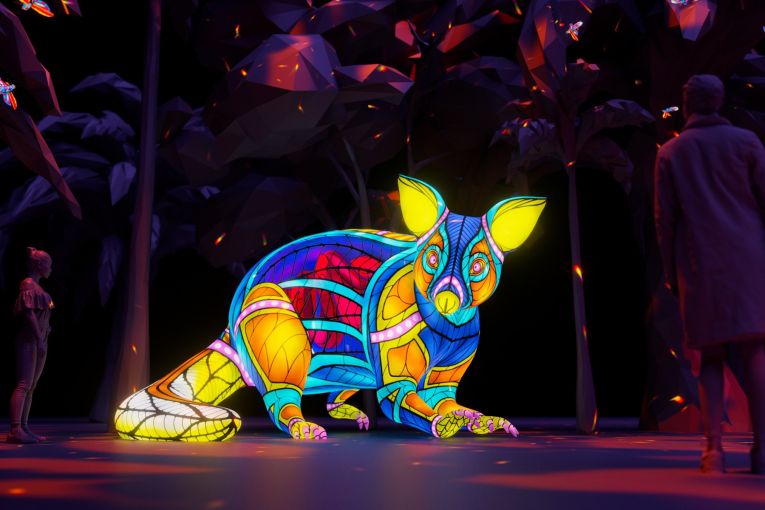
No matter what clothes we have on our bodies, I feel that emotions are always at play. The onesie offers an opportunity to make some of these feelings more visible, and to explore how deeply emotional fashion can be and how much it impacts our connection with each other.
You’ve taken Onesie World to festivals and biennales across the globe. Have audiences responded to it in unexpected ways?
Yes! Particularly in India. People were very comfortable being part of the group, but when it was time to go home, some used offcuts of fabric to cover their faces, embarrassed to be seen by friends or someone they might know. In other iterations, there have been moments when we’ve offered someone a onesie early on and they’ve laughed or turned it down: “Umm, no thanks.” But then festival day arrives, they see hundreds of people wearing onesies, and suddenly they come back looking for theirs. I find this really interesting. How something weird or strange becomes desirable. How our perception of a garment changes. Perhaps we no longer see something as weird and strange; we see fashion.
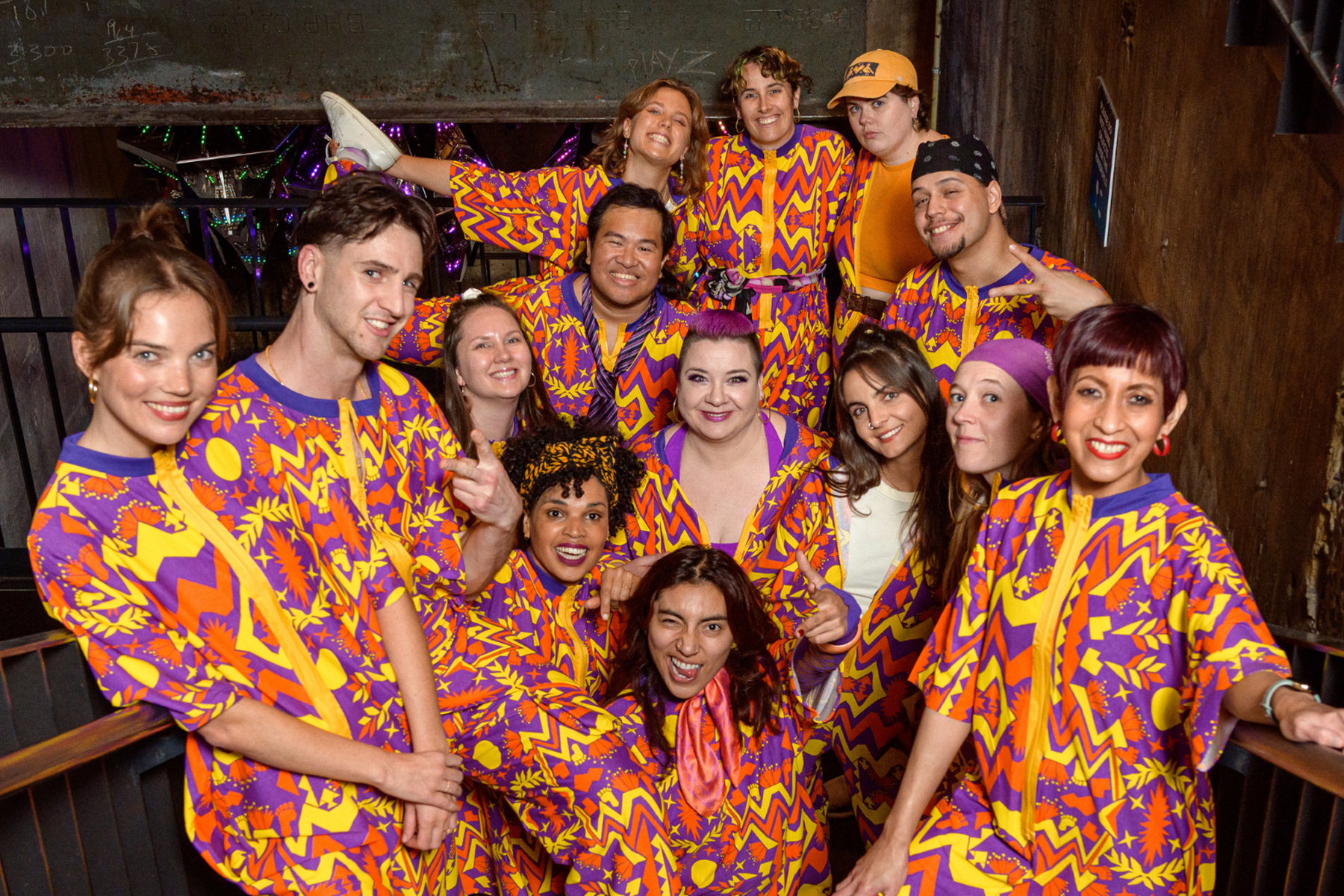
In Africa, people didn’t want to leave until they had a onesie. Everyone else had one, so why should they miss out? As the tension built, we offered offcuts of fabric instead. People wanted a piece of the material to become part of the work, to connect with others, to feel included. I always love seeing how people modify and style the onesies. It’s fascinating to see how people individualise themselves, how they take something that is shared and make it their own.
Subscribe for updatesHow did your collaboration with Dylan Mooney come about and what made you want to bring his work into Onesie World?
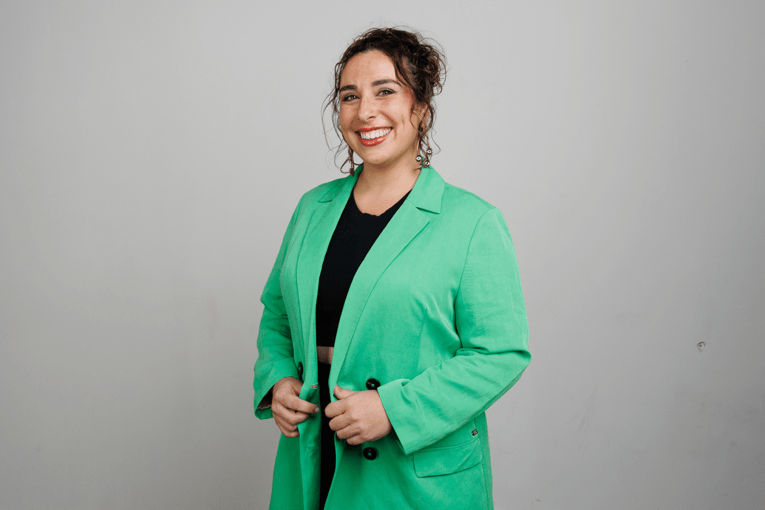
The team at the Brisbane Powerhouse suggested Dylan as a potential collaborator, and from our very first meeting, there was a lovely sense of connection. I felt drawn to the way he draws from his lived experience to make work, as this is something I do too. We both seem to share an interest in connection, belonging and finding ways to empower people.
I was really excited to work with Dylan and explore how his work could translate into a textile print. There is something really special about the idea of people being able to wear his work, because it takes it beyond the gallery and into people’s everyday lives. I feel this is particularly meaningful because Dylan draws so much inspiration from his own everyday experiences. Bringing his work into Onesie World felt like a natural way to continue that connection between art, lived experience and everyday life.
There’s a wonderfully playful quality to Onesie World, but there are also some deeper ideas around belonging and identity. What do you hope people take away from participating?
By participating in Onesie World, I hope people feel seen, valued and free to wear what feels true to them. By stepping outside of what we normally wear, we might become more aware of the power clothing has in our everyday lives, and return to our own wardrobes with a renewed sense of curiosity about why we wear what we wear and how it makes us feel.
Your broader practice explores the psychological and social effects of clothing. What is it about clothes that makes them such a powerful tool for shaping how we see ourselves and interact with others?
I often ask people: “Do you feel the clothes you wear are an authentic representation of who you are?” Many people answer no, and to me, this raises a really important question about the relationship we have with clothing. Clothes are so deeply entwined with our identity. They can become a kind of language through which we communicate who we are or who we want others to think we are. They can be a mask, a character, or a way of trying on different versions of ourselves. At the same time, they can help us discover and understand who we are.
I’m fascinated by the ways we change our clothes depending on who we are with and the role we are stepping into. We dress for a date, a family lunch, a job interview, our boss or our colleagues. We dress to belong, to fit in, to stand out, or to become someone we think another person wants us to be. Sometimes what we wear feels completely authentic, and sometimes it doesn’t feel like us at all. Although the onesie doesn’t feel like an authentic way of dressing for me, it has helped me to understand how the clothes on my body impact my everyday life and the way I feel.
Onesie World’s free makers’ workshops (run by Adele herself) will be taking place at the Brisbane Powerhouse and State Library of Queensland from October 8–23. Melt Festival is inviting folks to claim one of the 1000 free onesies created at the workshops and wear it to a mass participatory event in New Farm Park, welcoming boats from River Pride Parade on Saturday October 24. After the event, the onesie is yours to keep! Click here for more information on how to get involved.
Want to see more stories from InDaily Qld in your Google search results?
- Click here to set InDaily Qld as a preferred source.
- Tick the box next to "InDaily Qld". That's it.