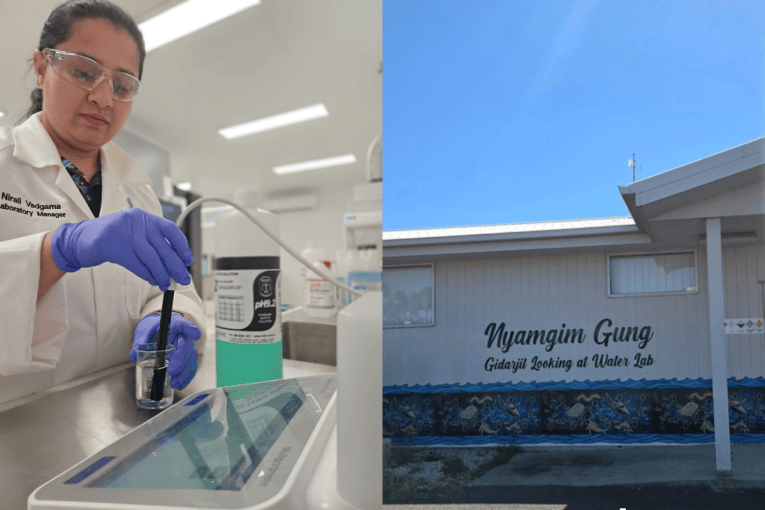
Indigenous-owned water testing lab gets global tick of approval
Australia’s first Indigenous-owned water testing laboratory in Bundaberg has received a globally recognised accreditation.
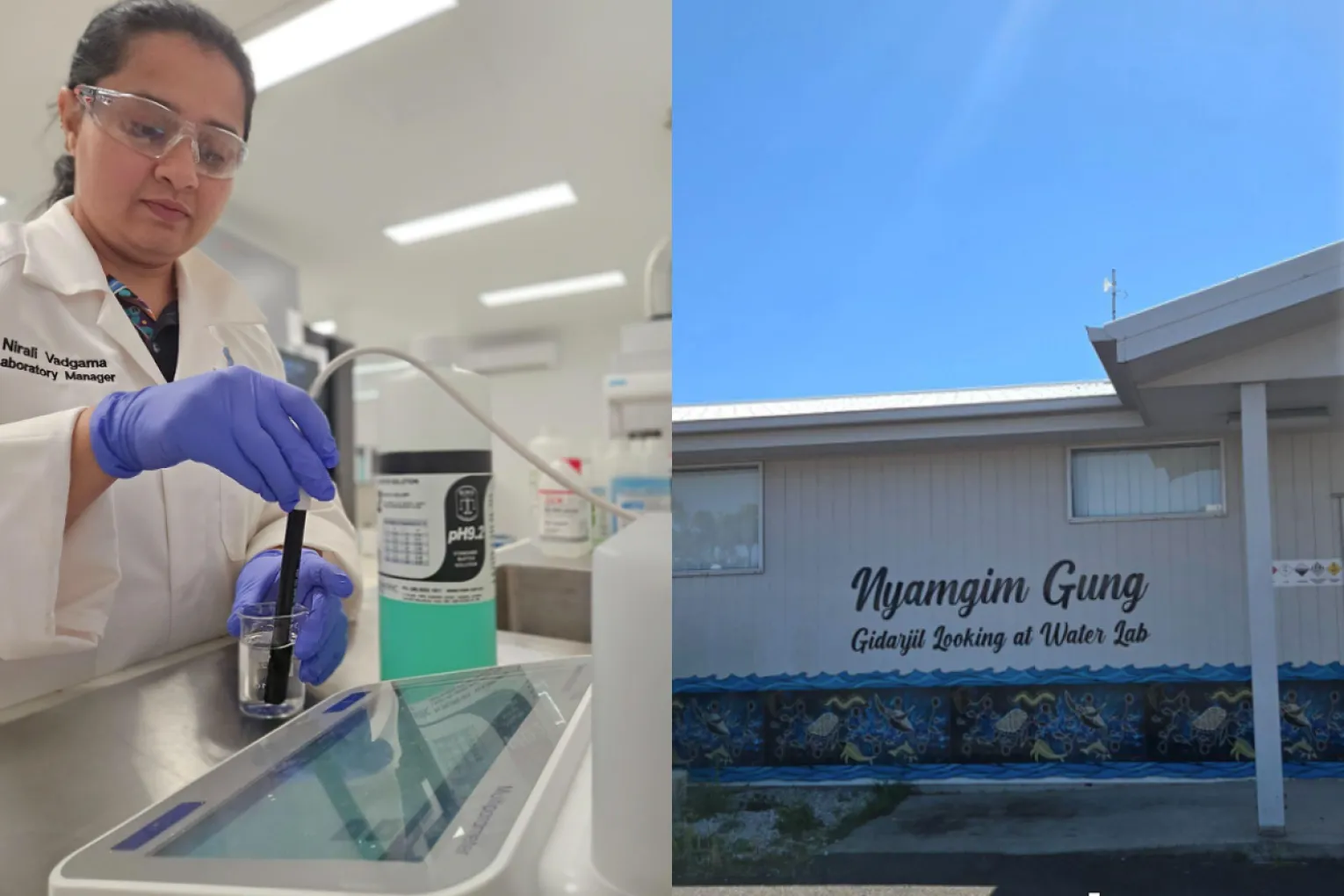
The Gidarjil Development Corporation has acquired full accreditation from the National Association of Testing Authorities (NATA) and international ISO/IEC quality standards for its water testing facility, Nyamgim Gung Laboratory.
The achievement awards the laboratory – with an all-female ranger program – status as the first Aboriginal-owned and run water testing facility in Australia.
The decision was finalised on September 10, granting the laboratory international recognition and the autonomy to generate its own income by providing water testing services to other organisations across Australia.
Gidarjil Development Corporation CEO Margaret Blackman said the accreditation was more than just a piece of paper.
‘It means our people can test our own water, on our own Country, to a standard the whole world recognises. Ngurari djulba bula – we are strong together, and this proves it,” Blackman said.
You might like
The corporation began pursuing NATA accreditation in 2024, which included an initial advisory visit, followed by two comprehensive assessment visits.
Gidarjil translates as ‘three big rivers’, and Nyamgim Gung as ‘looking at water’ in Gooreng language, reflecting the connection Blackman says is at the heart of everything Nyamgim Gung represents.
The corporation hopes to manage the entire water quality lifecycle from end to end, including collecting samples, transporting them, carrying out rigorous laboratory analysis and producing precise local results.
Helming the mission is environmental scientist Nirali Vadgama, who has an extensive background across water, soil and air testing laboratories, managing sewage treatment plants and leading complex laboratory studies.
Stay informed, daily
Vadgama said the achievement was a defining moment in her career.
“Coming from an environmental science background, I know firsthand the critical importance of rigorous, trusted data,” Vadgama said.
“This accreditation isn’t just a stamp of technical excellence—it is the validation of years of hard work, a testament to what is possible when you bring world-class science to regional areas, and proof that a bold vision can become reality.”
She has also designed, built and operationalised the facility from the ground up, guiding it through ISO/IEC certification and NATA accreditation.
The corporation previously collected samples on Country which were routinely sent away to external facilities in Brisbane for analysis.
Through meticulous research, Nirali has sourced world-class instruments and independently developed the methodologies and quality controls the facility needed, allowing Gidarjil to test its samples in its own lab.
Gidarjil can now offer accredited water testing services to other stakeholders across Australia and beyond, and generate income and support for the local community and future programs.
Alongside the accreditation, Gidarjil has launched its all-female ranger program, Dulba Muni (meaning ‘strong women’), empowering women to take a leading role in caring for Sea Country.
Gidarjil is also partnering with the Yalga Binbi Institute for Community Development to offer Certificate III in Country Management for students to be trained and qualified by Indigenous trainer Celestine Blackman.
“We are profoundly proud to establish Australia’s first Aboriginal-owned and run water testing laboratory,” Margaret Blackman said.
“Nyamgim Gung being the first First Nations laboratory owned and run by an Aboriginal corporation in Australia is a truly big achievement for our company, our people and the future management of our Country.”
Want to see more stories from InDaily Qld in your Google search results?
- Click here to set InDaily Qld as a preferred source.
- Tick the box next to "InDaily Qld". That's it.