Green light for vital Qld bushfire helicopter part
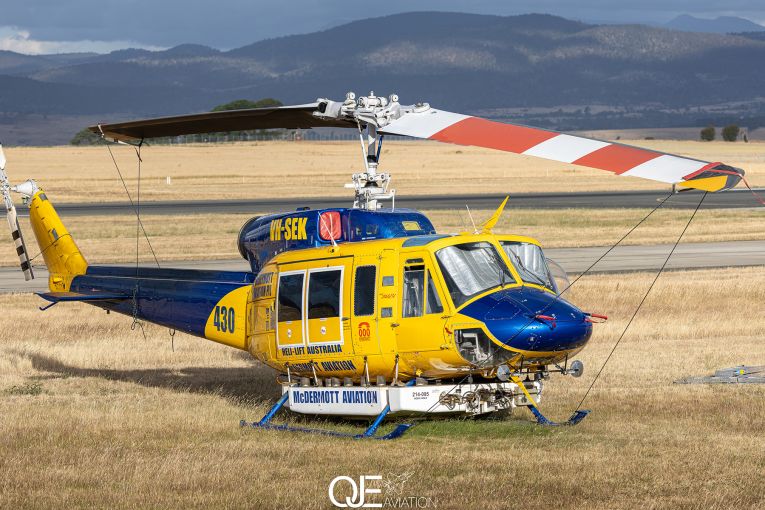
With bushfire season approaching, helicopters may soon be able to operate with stronger efficiency with a local company playing an integral part.
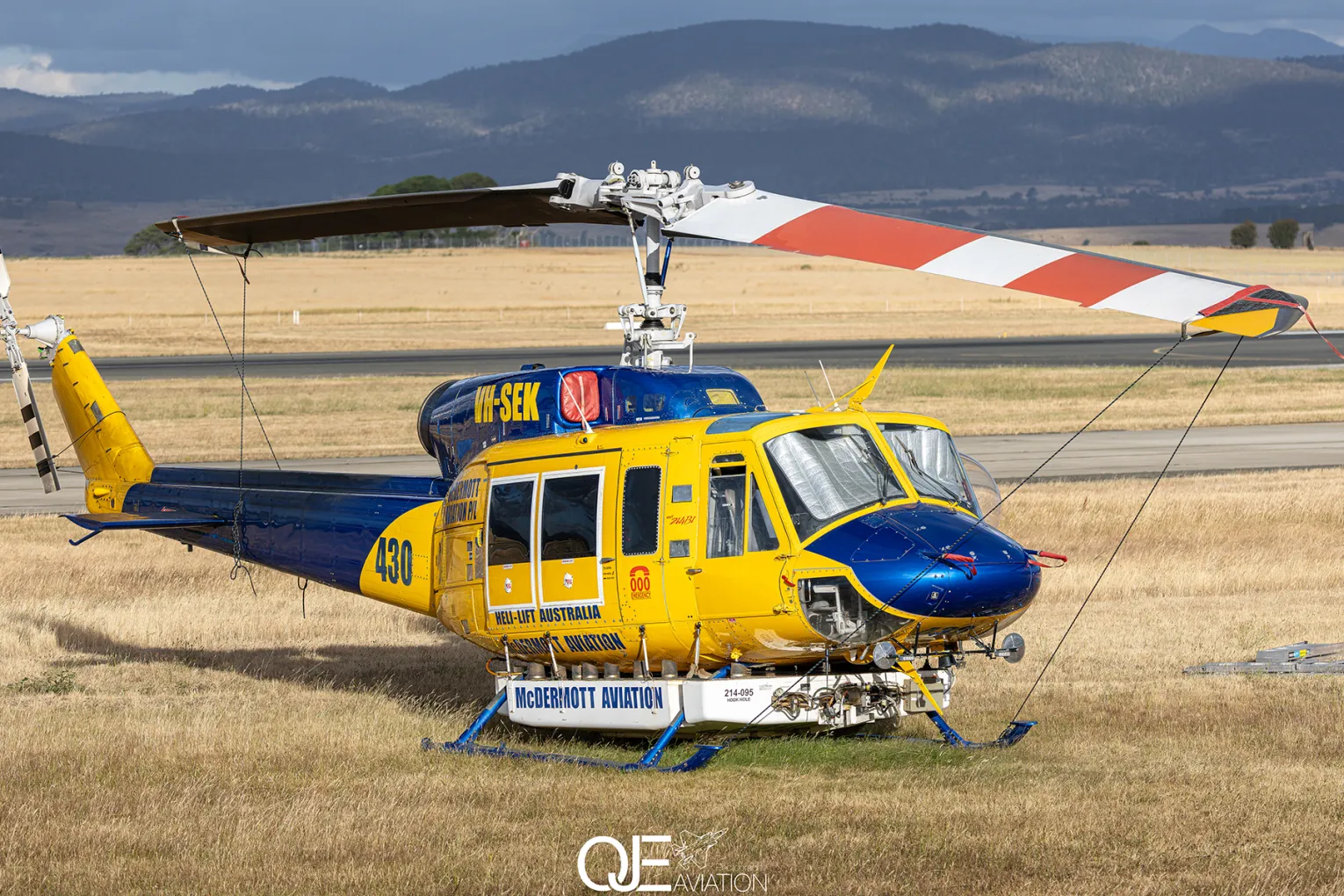
After two years in development, an essential component needed in the heavy-lift helicopters used to fight bushfires across the country has won the green light by the Civil Aviation Safety Authority (CASA).
The Queensland-made 3D-printed air-conditioning duct was designed by Australian aerospace engineering company Plane Support to carry air-conditioned air through the cabin of the 214B.
McDermott Aviation, Australia’s largest privately owned helicopter operator is the largest operator of the 214B, and started the project to secure a reliable, locally made supply of difficult to source replacement parts.
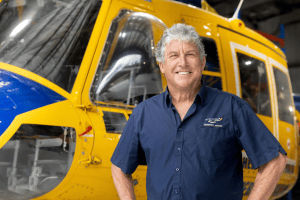
“An aircraft waiting on a component you can’t easily get hold of is an aircraft that isn’t working,” McDermott Aviation Founder and President John McDermott said.

McDermott added that being able to have these approved parts made in Queensland would give greater control and reliability to the 214B.
Plane Support engineers designed the part using 3D scanning to create accurate digital models of the original ducts before redesigning them for 3D printing without compromising on shape, fit and function.
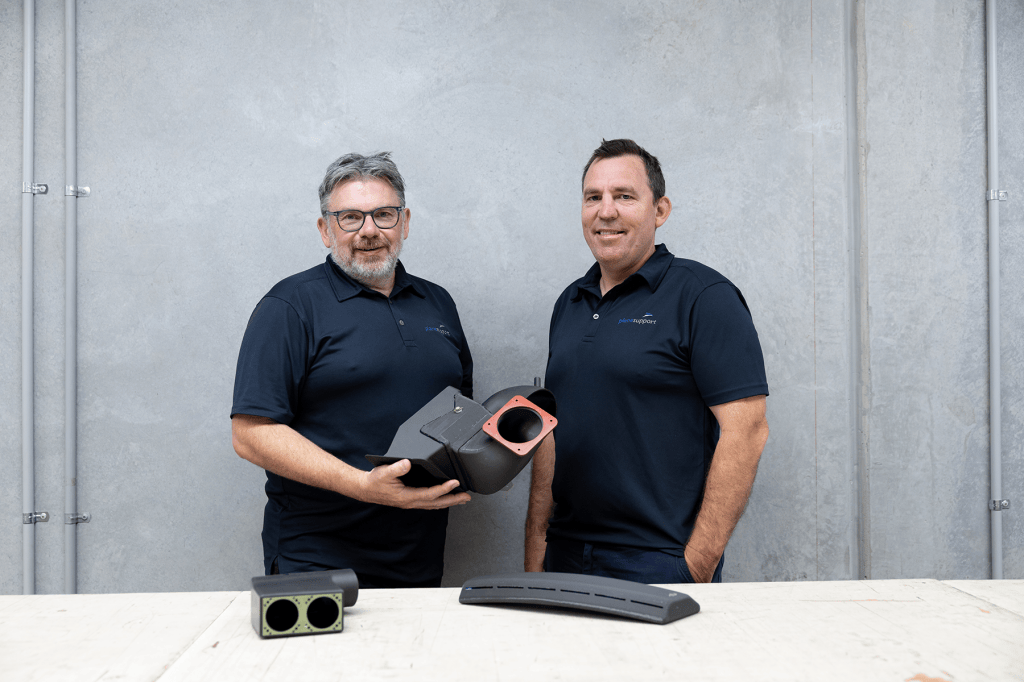
Plane Support set up a dedicated aerospace 3D printing lab for the project, with engineers working closely with CASA to prove the printed parts met the regulator’s airworthiness requirements.
The process of designing a part approved by CASA took about two years, which Plane Support Director of Engineering Jason Hazell said was a lot more complicated than it sounds.
“Ducting sounds simple until you try to reproduce it,” Hazell said. “These are complex shapes that have to fit exactly and perform in the aircraft just as the originals do, and we had to prove every step of that to CASA.”
Stay informed, daily
Hazell added that this approval was a joint effort between two companies, proving the results that can be achieved when looking for solutions that did not exist a decade ago.
“We didn’t have an established process to follow, so we developed our own procedures, quality systems and inspection methods and worked them through with CASA. That groundwork now gives us a pathway for other components and other aircraft types.”
McDermott said this approval served as a vote of confidence for Australian manufacturing.
“Jason and his team have spent almost two years getting this right, and to now have received CASA approval is tremendously exciting news, not just from our perspective but in terms of the manufacturing capability we are developing here in Australia,” he said.
Want to see more stories from InDaily Qld in your Google search results?
- Click here to set InDaily Qld as a preferred source.
- Tick the box next to "InDaily Qld". That's it.