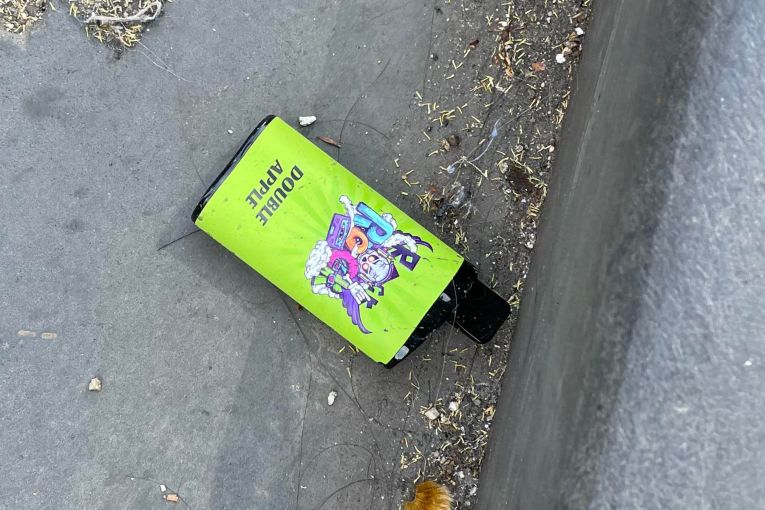
Tonnes of discarded vapes hitting Qld environment
Fire risks from discarded vape batteries continue to plague rubbish trucks and waste facilities. A Sunshine Coast environment group founder tells InDaily about hazards faced by workers.
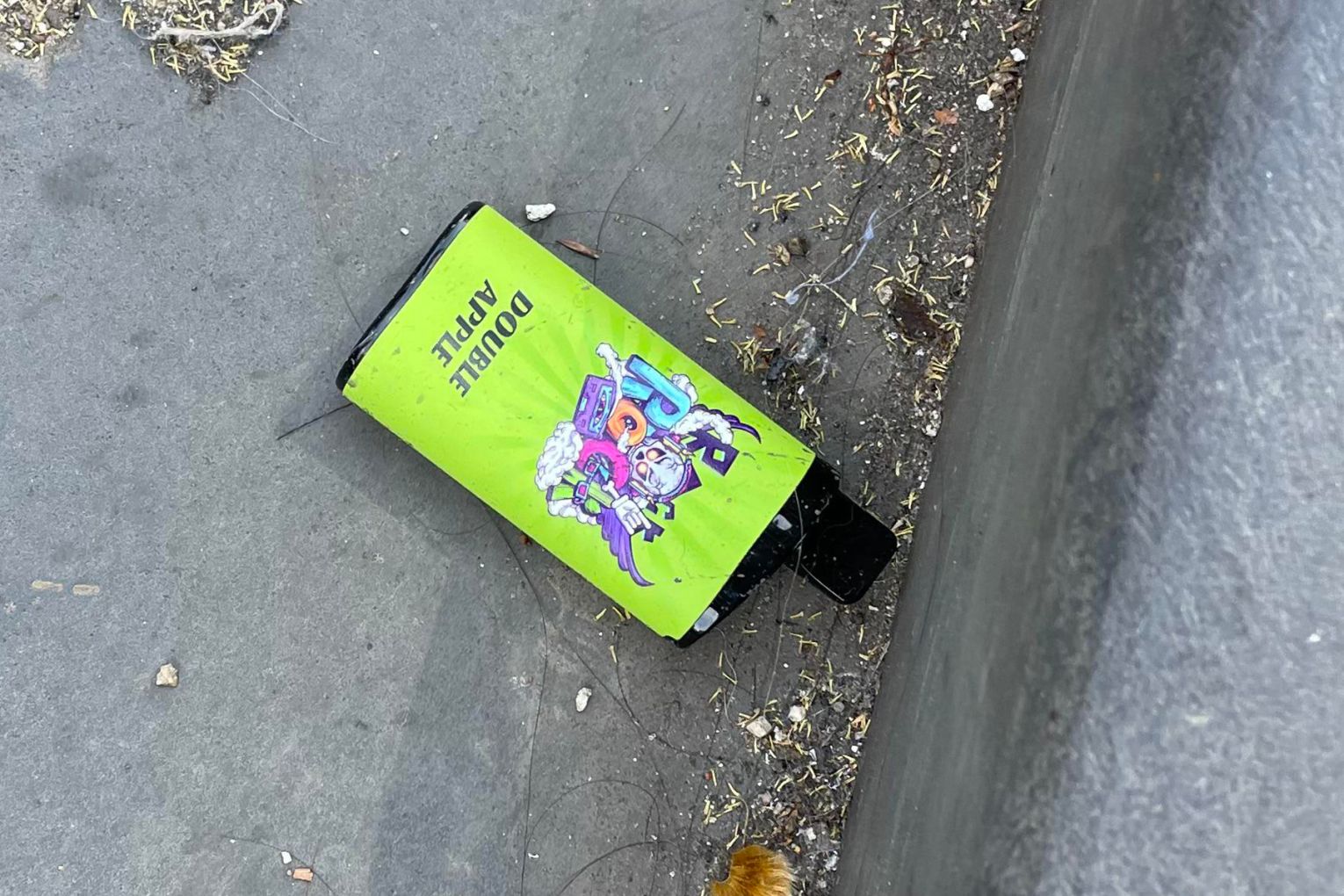
In 2024, the Queensland Government found that 3.4 percent of Queenslanders are vaping daily and 7.7 percent vaping regularly, along with the conservative calculation that Queensland produces around 100 tonnes of e-waste annually.
Lithium battery-powered vape devices can only be recycled through specialised recycling programs, but most Aussies don’t know how to properly dispose of them.
On e-Waste Day today, InDaily spoke with Shannon Mead, executive director of tobacco waste advocacy group NoMoreButts, to talk about the importance of correct vape disposal.
Mead says the risk of discarded vape batteries causing fires in rubbish trucks and waste facilities was serious and widely understated.
“When the Queensland Government launched its $2 million battery collection program in February 2025, the Environment Minister reported more than 200 battery-related fires in 12 months,” Mead explained.
He added that the Australian Council of Recycling estimated more than 10,000 battery-related fires across the country every year, with vape’s small, cheap and easy battery types posing huge risks to waste workers.
You might like
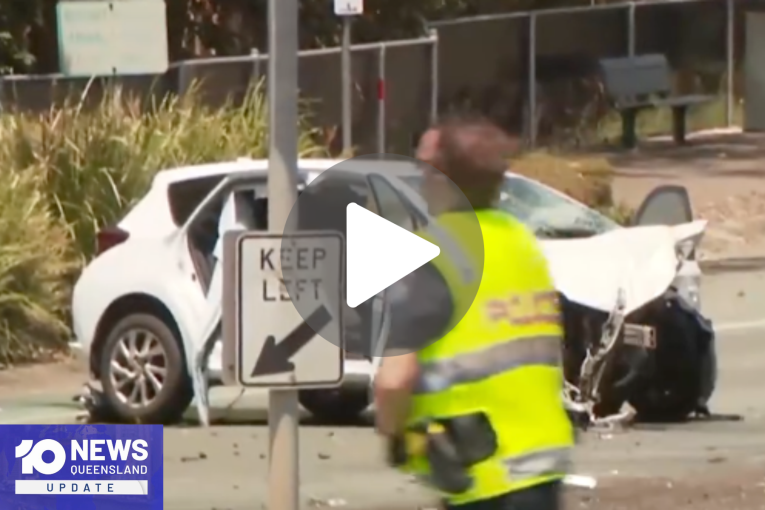

Most vapes contain an integrated lithium-ion battery, as well as plastic, metals and nicotine liquid. When collection trucks crush the waste they pick up, batteries become damaged and can overheat and catch fire – but the reported damage doesn’t stop there.
“Batteries and metals alone can leach into soil and water,” Mead said. “As the plastic breaks down, it has the potential to generate thousands of microplastic fragments. In addition, most vape liquid contains nicotine, which is toxic to wildlife and pets.”
When asked about the biggest misconception about vape disposal, Mead said thinking empty vapes were harmless is a dangerous assumption.
“Many people believe that vapes can go into the battery recycling bin, but a disposable vape with a built-in battery isn’t accepted. As most vapes consumed in Australia are illicit, it’s not possible to levy the suppliers or consumers to cover the cost of a dedicated program.”
Mead stressed the importance of safe vape disposal to prevent pollution and fires, and keeping transport and waste industries safe.
But where should Queenslanders be disposing their vapes?
Stay informed, daily
“Unfortunately and frustratingly, there is no clear answer, as it depends on where in Queensland you live,” Mead explained.
He credited the state-funded 88 battery drop-off points across 14 councils, but added that it was not clear if all sites took vapes because of the nicotine contamination risk.
“My advice is to contact your local council and check. We have worked with councils as remote as Quilpie to implement effective disposal options for batteries and vapes.”
Mead’s tips for the safest way to dispose of vapes, including damaged or un-finished devices.
-
Never put your vape in any bin, including public litter bins or household recycling bins
-
Don’t pour the liquid down a drain in an attempt to empty the device
-
Don’t take the vape apart, because puncturing the battery can cause a fire, or you could get a small electric shock from the circuitry
-
Call your local council to check it accepts vapes
-
Keep vapes somewhere cool and dry (a glass jar is often recommended) until they can be dropped off
-
If a vape is visibly damaged, ensure it is isolated from any combustible items, as a punctured vape can become an ignition source for a fire
Mead wanted all vapes sold on the market to have a user-replaceable battery, as batteries embedded in plastic casing were the primary concern.
“Unfortunately, illegal vapes will need direct government funding, because no industry scheme will cover them,” Mead advised. “Funds generated from penalties related to seizing these items could be considered.”
He wanted the Federal Government to include vapes in the national scheme for small electrical products, as set out in DCCEEW’s Regulatory E-Waste Collection and Recycling Scheme.
“As pharmacies are the only lawful place you can now buy a vape, there should be a clear return scheme in place, which could be funded by a levy at the point of sale.”
Mead adds that without a coordinated, advertised scheme and accessible disposal options, vape-related fires would continue.
E-Waste Day is a global initiative launched by not-for-profit e-waste group WEEE Forum to raise awareness about the growing challenge of electronic waste, today is its ninth edition.
Want to see more stories from InDaily Qld in your Google search results?
- Click here to set InDaily Qld as a preferred source.
- Tick the box next to "InDaily Qld". That's it.