‘Who’s your Daddy’: Wombat drama unfolds in Queensland
Rigorous investigations taking place within a wildlife refuge to track down a wombat responsible for fathering a unique baby are giving Jerry Springer vibes.
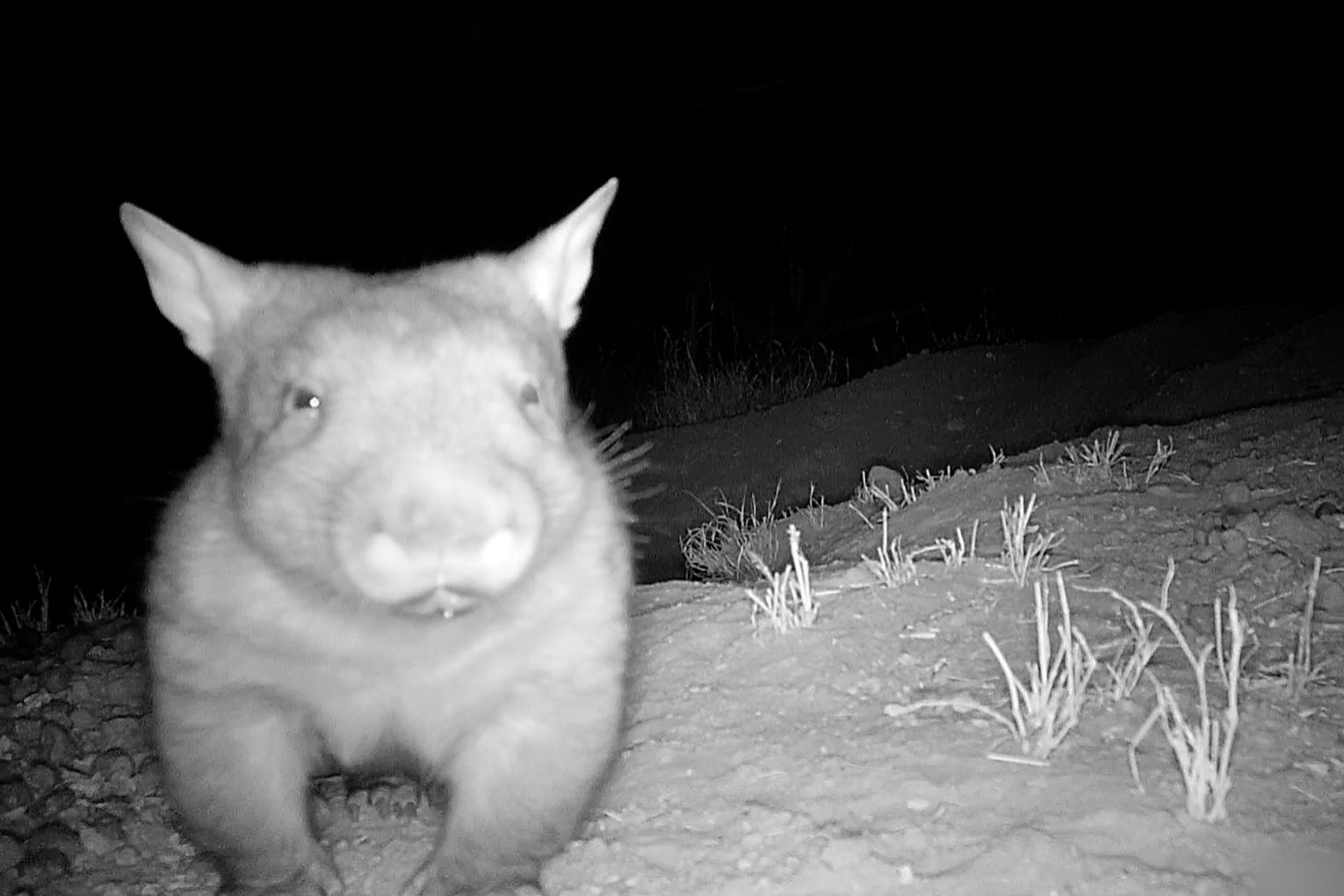
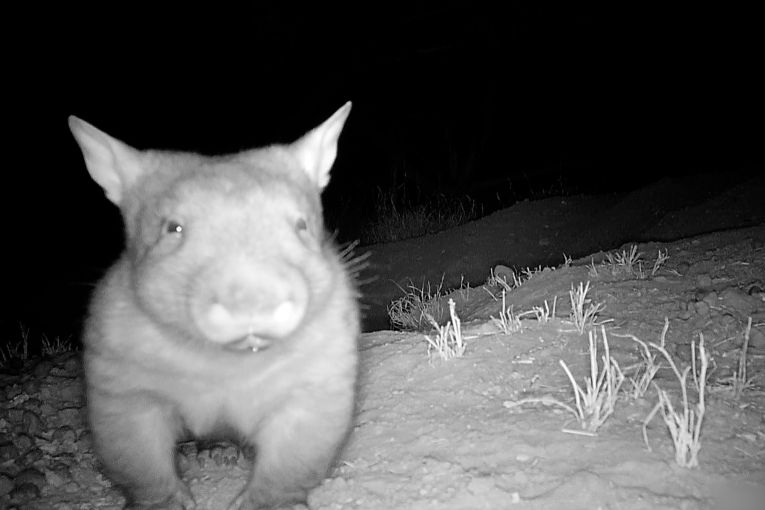
In honour of World Wombat Day, Australian Wildlife Conservancy (AWC) has released footage of the first juvenile Northern Hairy-nosed Wombat discovered at Richard Underwood Nature Refuge (RUNR) in more than two years.
The discovery has triggered an investigation to uncover which of the known resident males at the 130-hectare conservation area on Yarran Downs Station are responsible for contributing to the next generation.
A genetic study conducted in 2024 by AWC and Adelaide University identified the three potential fathers from the estimated population of 18 wombats sampled inside the refuge.
“It feels a bit like we’re in an episode of Jerry Springer,” said Dr Ben Stepkovitch, AWC Wildlife Ecologist. “We’re excited to see the little wombat popping up on motion sensor cameras, it’s reassuring to see the population growing, but we also need to conduct a paternity test.”
American talkshow host Jerry Springer famously covered dramatic episodes with guests in paternity disputes or dysfunctional family feuds.
You might like

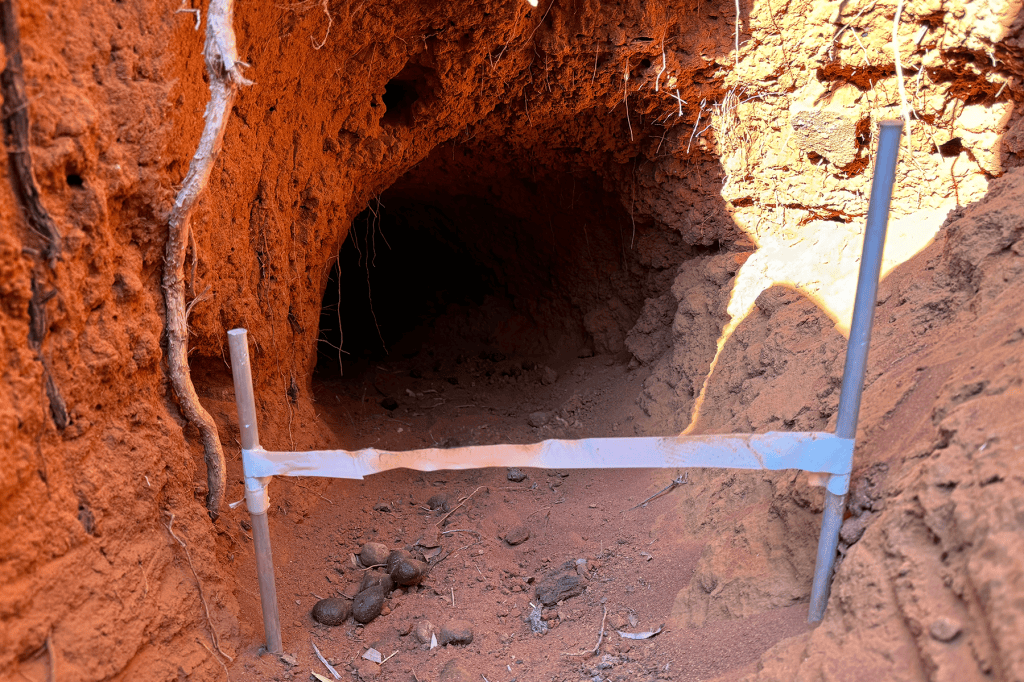
In order to determine whether one of the three known males fathered the joey or if an undetected male is in the area, Stepkovitch will need to collect the juvenile’s DNA.
“The juvenile’s DNA could tell us whether we have more breeding males in the population than we currently know – which would be very exciting if that’s the case,” Stepkovitch added.
Wombats need to be old enough to leave solid scat samples, which Stepkovitch believes could be as soon as next month – so he’s already cleared his schedule to go searching.
Stay informed, daily
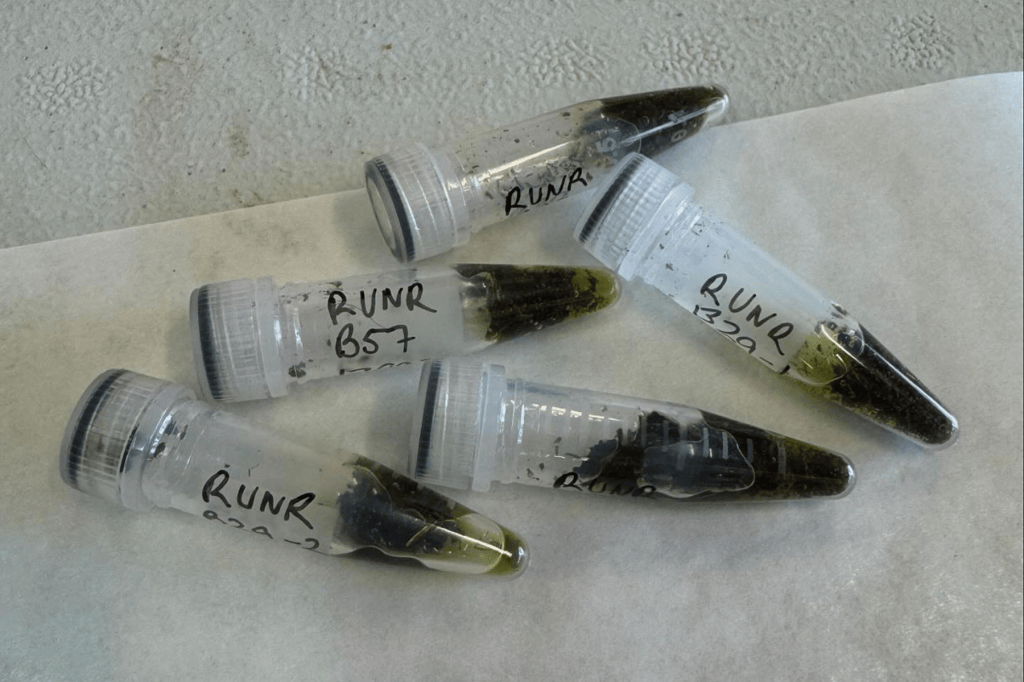
Once a fresh sample is sealed tightly in a container, it will be sent to Adelaide University for analysis and comparison to samples collected in 2024.
“Genetic diversity is important in helping species to adapt to challenges such as disease, environmental change and other threats,” Stepkovitch added. “If most of the young wombats are being fathered by the same few males, that’s something we’ll need to understand and monitor closely.”
The Northern Hairy-nosed Wombat is one of the world’s rarest animals with a population of just over 400, with genetic diversity remaining a serious challenge.
“On the other hand, if this juvenile’s father turns out to be a male we didn’t detect during the study, it would be a positive sign for the refuge’s long-term genetic health.”
The species was brought back from the brink of extinction in the 1980s at Epping Forest National Park, with today’s entire population descending from just 35 wombats that survived there.
The Queensland Government established RUNR in 2009 as an insurance population for the species, along with another refuge at Dhuny Yumba National Park in 2024.
RUNR has been managed by AWC since 2022, though the Northern Hairy-nosed Wombat remains rarer than the Giant Panda and Orangutan.
Want to see more stories from InDaily Qld in your Google search results?
- Click here to set InDaily Qld as a preferred source.
- Tick the box next to "InDaily Qld". That's it.