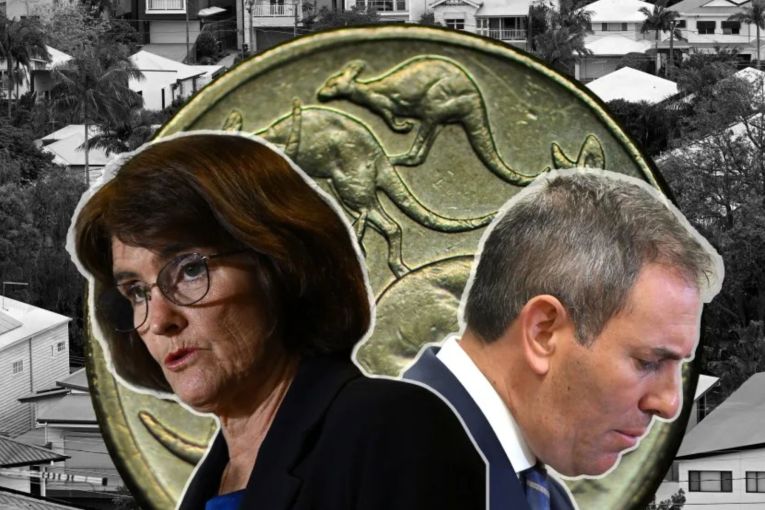
Odds-on rate rise for punters on Melbourne Cup day
Bond markets are pricing a Reserve Bank rate hike on Tuesday at greater than 80 per cent – and predicting they could stay high possibly until late 2027.
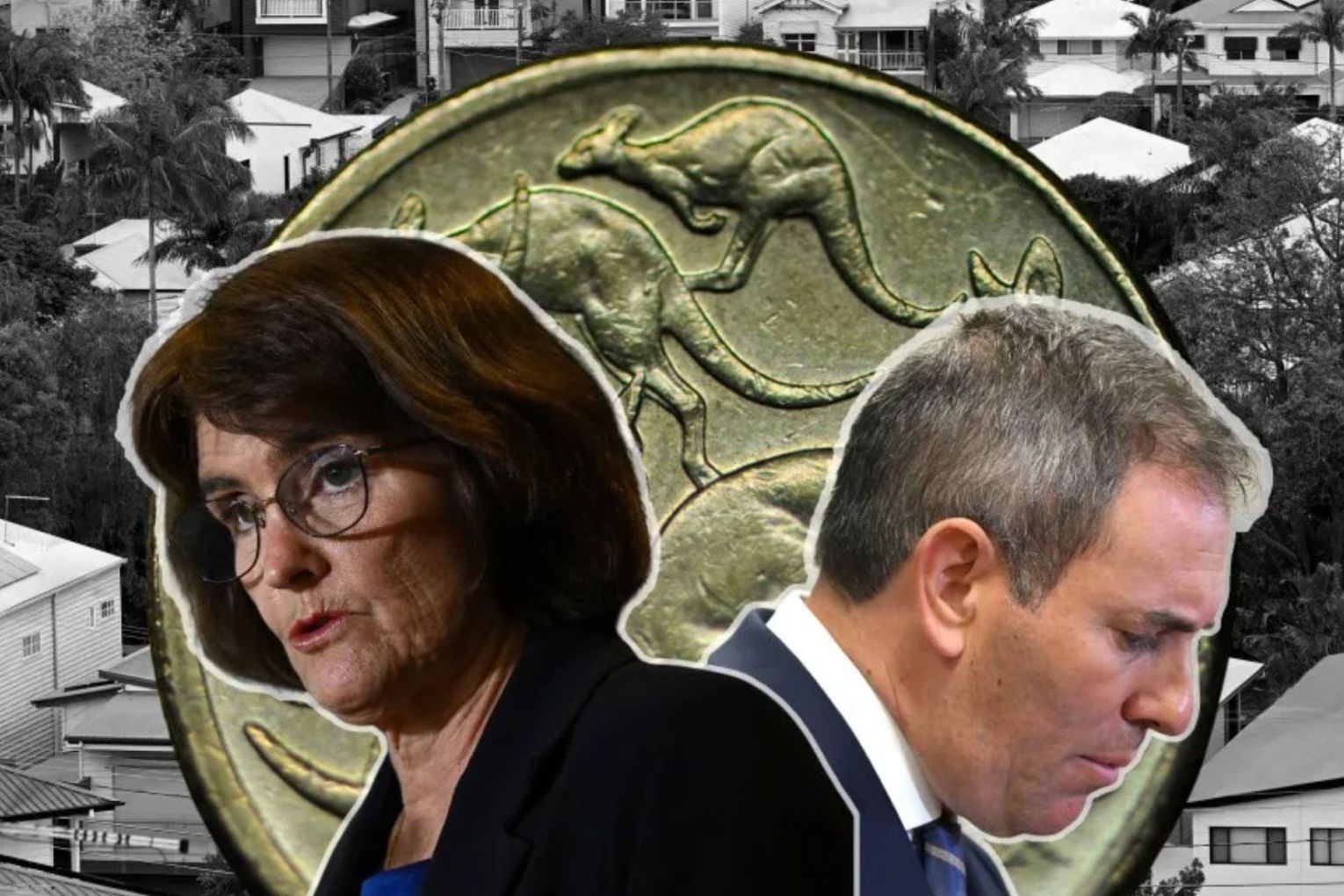
Mortgage holders about to be hit with another rate rise could be waiting until the end of 2027 to see interest rates on the way down, economists warn.
Bond markets are pricing a Reserve Bank rate hike on Tuesday at greater than 80 per cent, after hot inflation in the September quarter and hawkish comments from central bank top brass.
For mortgage holders, like Adelaide account manager Cooper, that means interest rates will hit their highest level since 2008.
The 33-year-old entered the market in 2021 when the cash rate was at a record low 0.1 per cent during the COVID-19 pandemic.
“Every house was pretty much just skyrocketing in price,” Cooper, who asked for his surname not to be used, said.
“It was insane going through the housing market and basically getting told that there’s no prices anymore because it was moving that fast.”
You might like


Despite the significant cash rate rise in the past five years, Cooper said he was yet to make significant changes to the family budget.
“Does my son need Coco Pops? Probably not. It’s kind of still at that point for us,” he said.
“We’re not considering digging through the garage and finding stuff to sell on eBay yet. But we know that’s a potential possibility down the line for us.”
There is some consolation at least from economists at Commonwealth Bank. They expect the Melbourne Cup Day rate rise to be the RBA’s last this cycle.
CBA slashed its forecasts for economic growth to one per cent by mid-2027, and raised its unemployment projection to 5.1 per cent, which should allow the RBA to start cutting rates in the second half of 2027.
But there was high uncertainty over the timing, CBA economists said.
Stay informed, daily
AMP chief economist Shane Oliver doesn’t expect rates to come down until the December quarter 2027.
“Absent a crisis, rate relief is a long way off” he said in a client note.
Because of Australia’s weak productivity growth, the RBA had no choice but to throw the economy into a hard landing or even a recession to bring inflation to heel, said HSBC chief economist Paul Bloxham.
“Reluctantly, but necessarily, the RBA is likely to deliver a fifth hike this week – driving the economy into more of an economic downswing,” Bloxham said.
The Australian Council of Social Service and the Australian Council of Trade Unions have urged the central bank against another hike, warning that workers would be the hardest hit.
The union peak body picketed in front of the RBA’s Sydney headquarters on Monday, while ACOSS wants the government to spend more money on health services and energy subsidies.
But at 26.9 per cent of GDP, government spending was too high and was contributing to inflation, said Australian Chamber of Commerce and Industry chief executive Andrew McKellar.
“We need an ambitious strategy to lift the speed limits on the Australian economy, to boost productivity, to address government spending,” he told reporters in Canberra.
“If you’re not doing those things, you’re putting all the weight back onto the Reserve Bank board and back onto interest rates, and that’s not a sustainable outcome.”
-AAP
Want to see more stories from InDaily Qld in your Google search results?
- Click here to set InDaily Qld as a preferred source.
- Tick the box next to "InDaily Qld". That's it.