Under-pressure Labor says saving ‘not simple exercise’
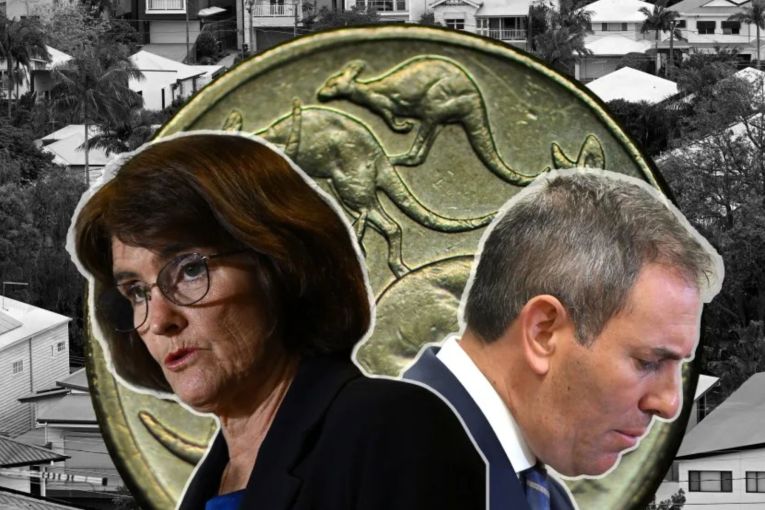
Punters are being reminded there are consequences to cutting public spending as another cash rate rise fuels calls for Canberra to tighten its belt.
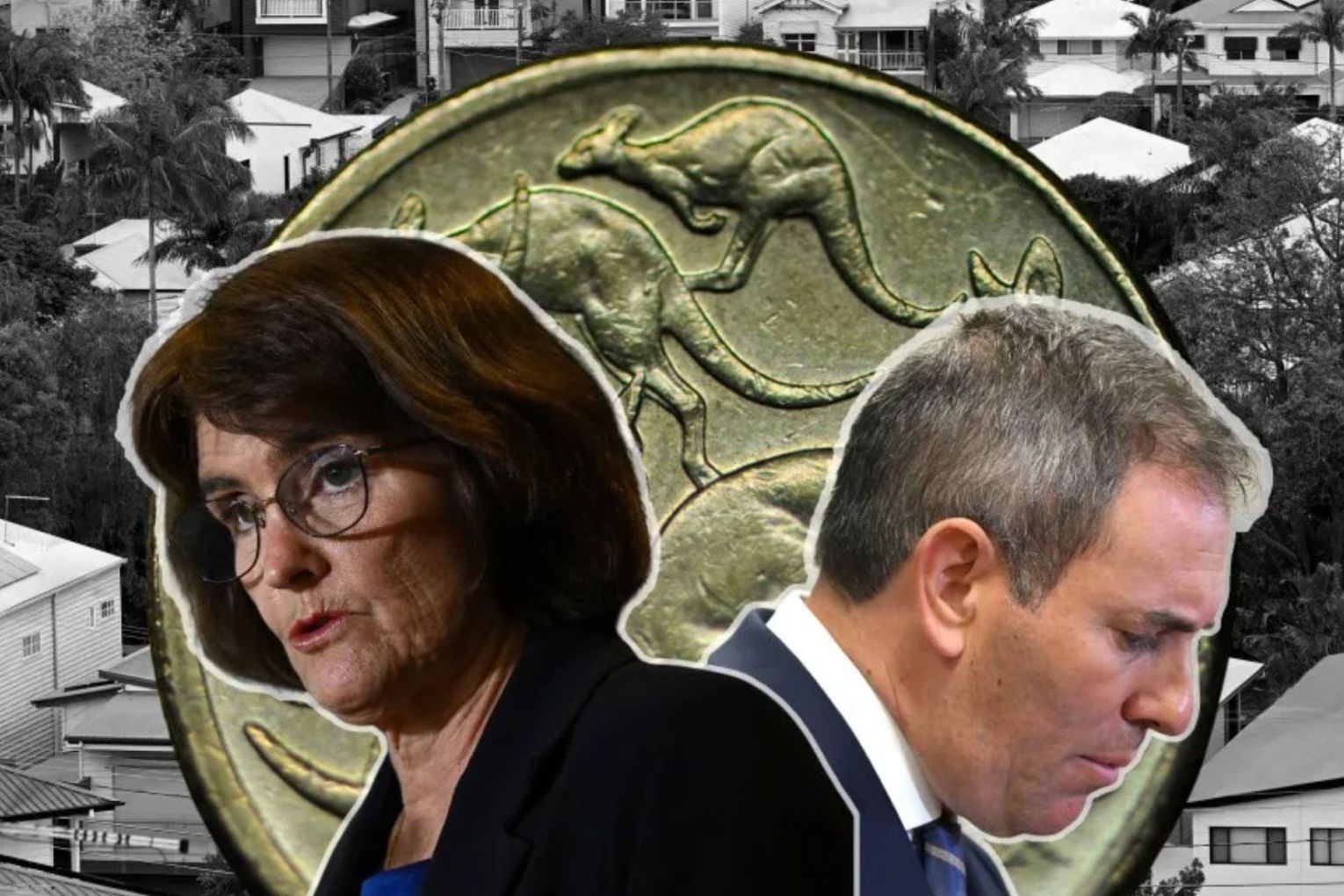
There’s pain wherever punters turn.
On the one hand, Labor’s opponents say government spending is fuelling inflation and borrowing costs by forcing the Reserve Bank to ratchet up the cash rate.
On the other, Labor says it could close Canberra’s wallet and compromise the services on which the most vulnerable depend.
In a split 6-3 decision on Tuesday, the central bank board lifted the cash rate by 25 basis points to 4.85 per cent.
The decision was widely anticipated by economists and bond markets, which had been pricing in the chance of a hike at more than 80 per cent.
The Iran war and the artificial intelligence boom had further worsened price pressures since the RBA raised rates in September.
You might like

But domestic capacity pressures were also higher than previously thought, RBA governor Michele Bullock said.
Labor’s opponents seized on the central bank’s language as evidence the government had spent the economy into high inflation, but Finance Minister Katy Gallagher said they deserved more credit.
“We have been doing that (saving), and I know people want to brush over that and say ‘yeah, well, that’s all been banked, and we move on and do more’, but there should be some acknowledgement,” she told ABC News on Wednesday.
Government spending had moderated in the twelve months to November owing to cost-of-living measures being phased out and spending on defence, disability and aged care services easing, the central bank said on Tuesday.
Labor has promised more savings measures in December’s mid-year budget update but has not yet said whether they would be net savings – meaning they would outstrip new spending.
Housing Minister Claire O’Neil was also quick to draw attention to the consequences of slashing public payments.
Stay informed, daily
“Our government pays for Medicare, so that when you get sick, you can go to the hospital and get the care that you need, it helps pay for aged care places if you’ve got an elderly parent,” she told Seven’s Sunrise on Wednesday.
“It’s not a simple exercise.”
Treasurer Jim Chalmers on Tuesday said budgets weren’t the primary driver of prices, but took responsibility for the government’s part in the fight against inflation, parading $180 billion in savings Labor had found since coming to power.
Senator Gallagher denied assertions there were growing rumblings in the government’s back benches over the decisions ministers, including Dr Chalmers, were making.
“Everyone in the Labor government is concerned about the economy right now, the impact it’s having on people, and we are all united,” she said.
“People care about their communities, so you can expect that people are engaging on behalf of those communities with ministers.”
The central bank also revealed on Tuesday that Labor’s budget tax changes have already sparked the biggest fall in investor home loans on record.
Home loan figures released by the RBA on Tuesday showed loan commitments have fallen 27 per cent below their November 2025 peak, with owner-occupier lending dipping only modestly.
Dr Chalmers the previous week said he had taken responsibility for “difficult things” in his portfolio, including abolishing negative gearing and paring back capital gains tax discounts, which have so far proven unpopular.
But the central bank’s analysis showed the curbs to investor tax breaks were having the desired effect of giving owner-occupiers the upper hand.
-with AAP
Want to see more stories from InDaily Qld in your Google search results?
- Click here to set InDaily Qld as a preferred source.
- Tick the box next to "InDaily Qld". That's it.