‘Enormously proud’: Unknown Australian soldiers formally identified
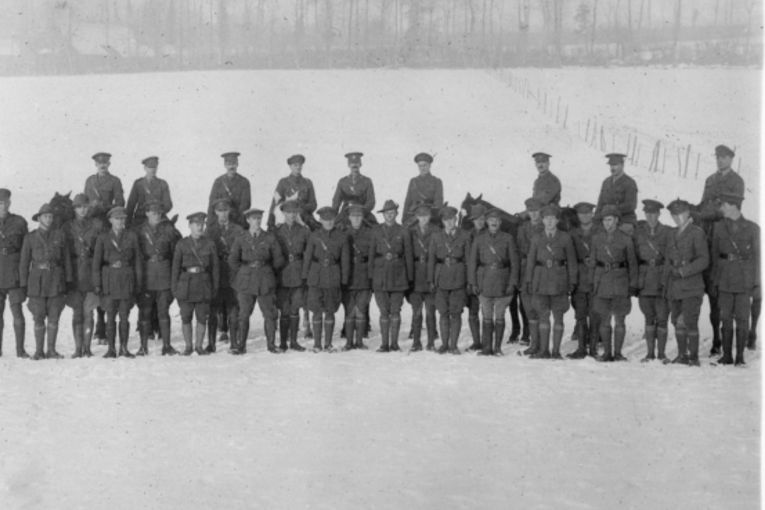
Australian soldiers killed on World War I battlegrounds more than a century ago have finally been identified.
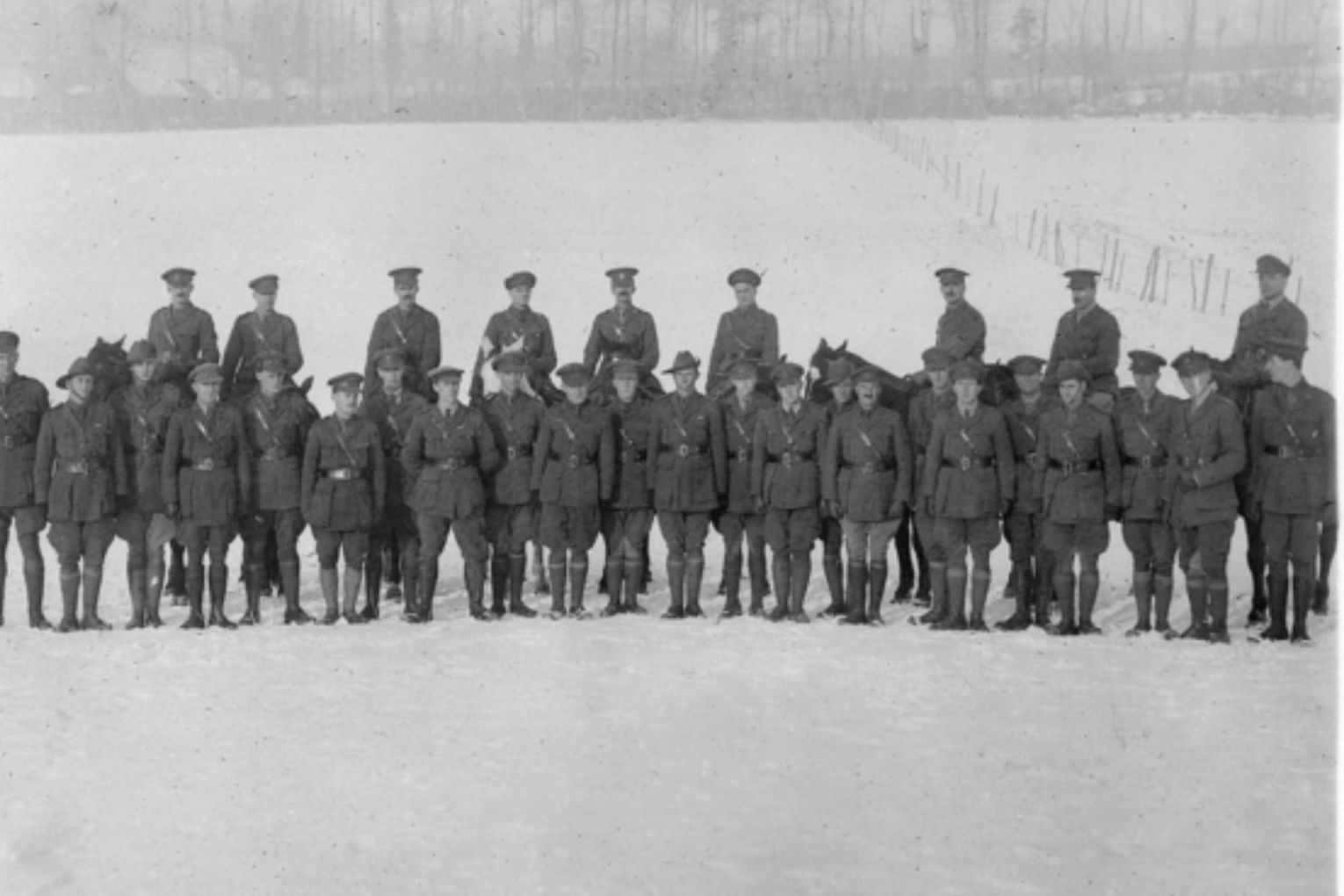
Across Australia, 11 families have been given closure on what happened to their relatives across battlegrounds more than a century ago.
The soldiers from World War I – long commemorated as missing in action Anzacs – have now been formally identified through extensive historical research, archaeological investigations, and DNA analysis.
Until now, they had been commemorated as unknown soldiers.
The newly identified Australian soldiers are:
- Private Roy Hawkins, 3rd Battalion AIF, of Armidale, New South Wales;
- Sergeant Charles Henry Nicholls, 46th Battalion AIF, of Ballarat, Victoria;
- Lieutenant Howard Victor Morey, 58th Battalion AIF, of Lilydale, Victoria;
- Lieutenant John Maher Lyons MC, MM, MSM, 17th Battalion AIF, of Randwick, New South Wales;
- Lieutenant Andrew Anderson, 7th Australian Machine Gun Company AIF, of Bundaberg, Queensland;
- Second Lieutenant James Albert McMichael, 37th Battalion AIF, of Melbourne, Victoria;
- Private Thomas Easton, 30th Battalion AIF, of Adamstown, New South Wales;
- Corporal Harry Maitland Whiteoak, 2nd Australian Field Ambulance AIF, of Preston, Victoria;
- Private George Laban Lupson, 2nd Australian Field Ambulance AIF, of Fremantle, Western Australia;
- Private James Campbell, 2nd Australian Field Ambulance AIF, of Queenstown, Tasmania; and
- Lance Corporal Alexander Joseph Jack, 2nd Australian Field Ambulance AIF, of Brunswick, Victoria
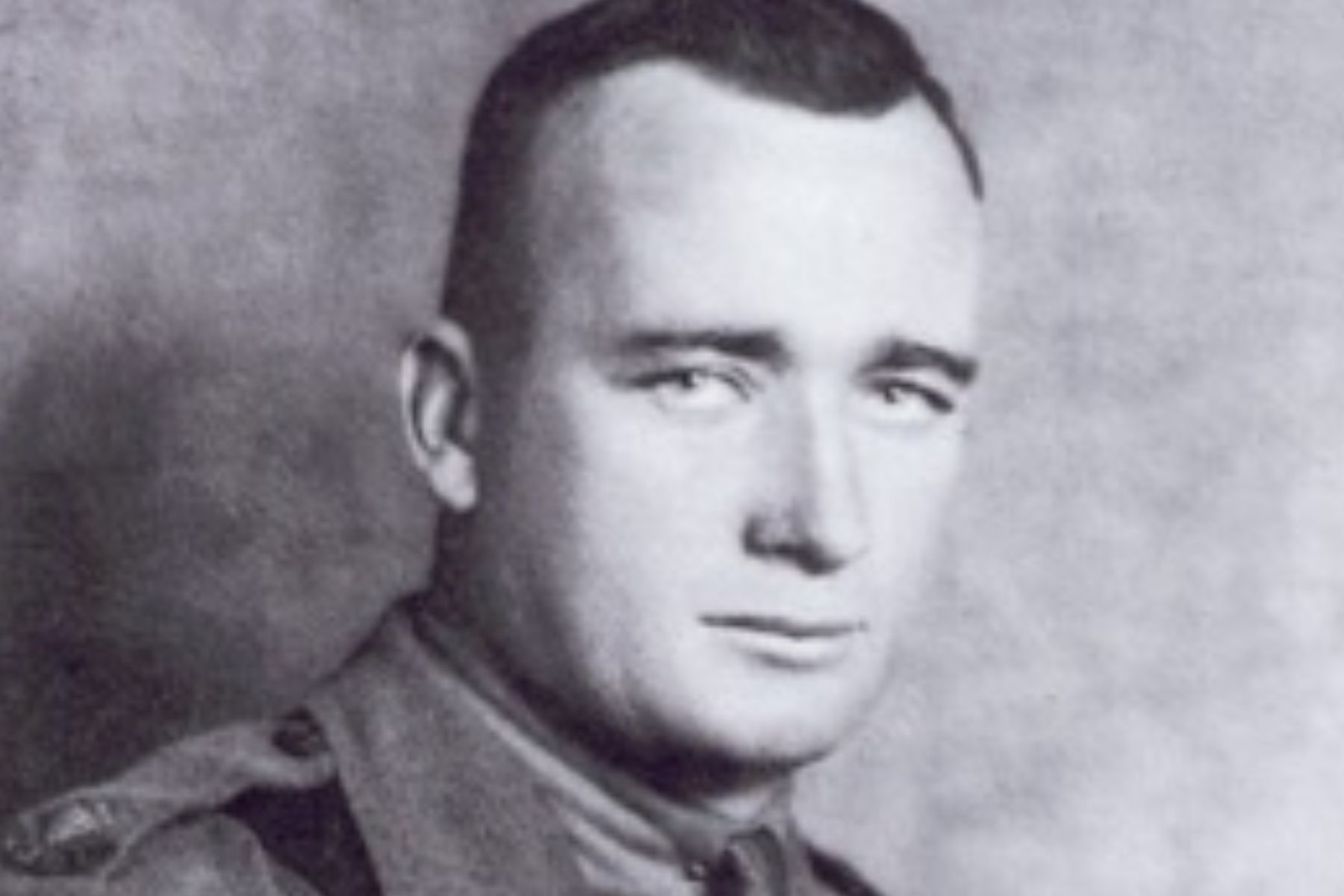
Included among them is Defence Minister Richard Marles’ great-uncle, Lieutenant Andrew Anderson, who survived some of the biggest battles like Pozieres, Mouquet Farm and Bullecourt, before he was killed during the Battle of Menin Road, near Ypres, in 1917. He was just 19 when he enlisted.
You might like

“I feel enormously proud of him, of his service, and the fact that we can remember him in this way,” Marles told ABC news Breakfast of his relative.
A handful of Australian soldiers are identified through international efforts each year through a painstaking DNA and fact-matching process. Much of the work is done in Scotland.
On November 11, people nationwide will attend services honouring those who served their country in all wars and armed conflicts, stopping for a minute’s silence at 11am.
It marks 108 years since the armistice that ended four years of continuous warfare on Europe’s Western Front, the main battleground of World War I, where more than 60,000 Australians died.
For many of today’s known soldiers, following in their family’s footsteps by joining the military was something they felt called to do despite the sacrifices they had witnessed.
That was the case for veteran Brad Copelin, who said he felt “programmed” to go after his father and grandfather.
Having served nearly 25 years in the Australian Army, including deployments to Afghanistan and the Solomon Islands, the 56-year-old believes the spirit of Remembrance Day should extend beyond an annual pause.
“Remembrance Day brings up a lot of memories,” Copelin said.
Stay informed, daily
“As much as we have some really great memories from our service, and some really great people that we worked with … there’s also the negative memories of our service that we will carry with us all the time.”
Copelin had no intention of doing anything other than continuing the family legacy, and received his parents’ permission to enlist aged 17.
His father had been in the navy on HMAS Melbourne when it crashed with the USS Frank E Evans, cutting it in two.
It was not until after he joined that his grandfather, a Japanese prisoner of war on the Burma Railway, began telling his grandson of his experience.
“He never spoke about the war to anyone,” said the veteran, who has a tattoo of a red poppy on his arm.
President of the Engadine RSL sub-branch near Sydney, he aims to help fellow veterans and their families know they are not alone in their struggles.
Prime Minister Anthony Albanese paid tribute to Australia’s soldiers while in Singapore, using a stopover on his journey to the United Nations climate talks to mark the event.
He laid a wreath at the Changi Chapel and Museum early on Wednesday, joined by Australia’s Singapore High Commissioner Robyn Mudie.
The museum tells the stories of some of the 90,000 prisoners of war and civilians interned in Changi during the Japanese occupation of Singapore in World War II.
“The 15,000 Australians who were interned here in Changi represent the best of the Australian character – they showed courage, selflessness, sacrifice and mateship,” Albanese said.
Closer to home, Remembrance Day in 2026 coincides with the opening of the Australian War Memorial 85 years ago in the nation’s capital in 1941, where a major event will occur.
Governor-General Sam Mostyn will lay a scarlet poppy wreath, first laid in 1934 on the memorial’s construction site, to symbolise the continuity of tradition, and many military leaders will be in attendance.
Lifeline 13 11 14
Open Arms 1800 011 046
Want to see more stories from InDaily Qld in your Google search results?
- Click here to set InDaily Qld as a preferred source.
- Tick the box next to "InDaily Qld". That's it.