QAGOMA showcases a lesser-known chapter of Picasso’s early career in exclusive exhibition
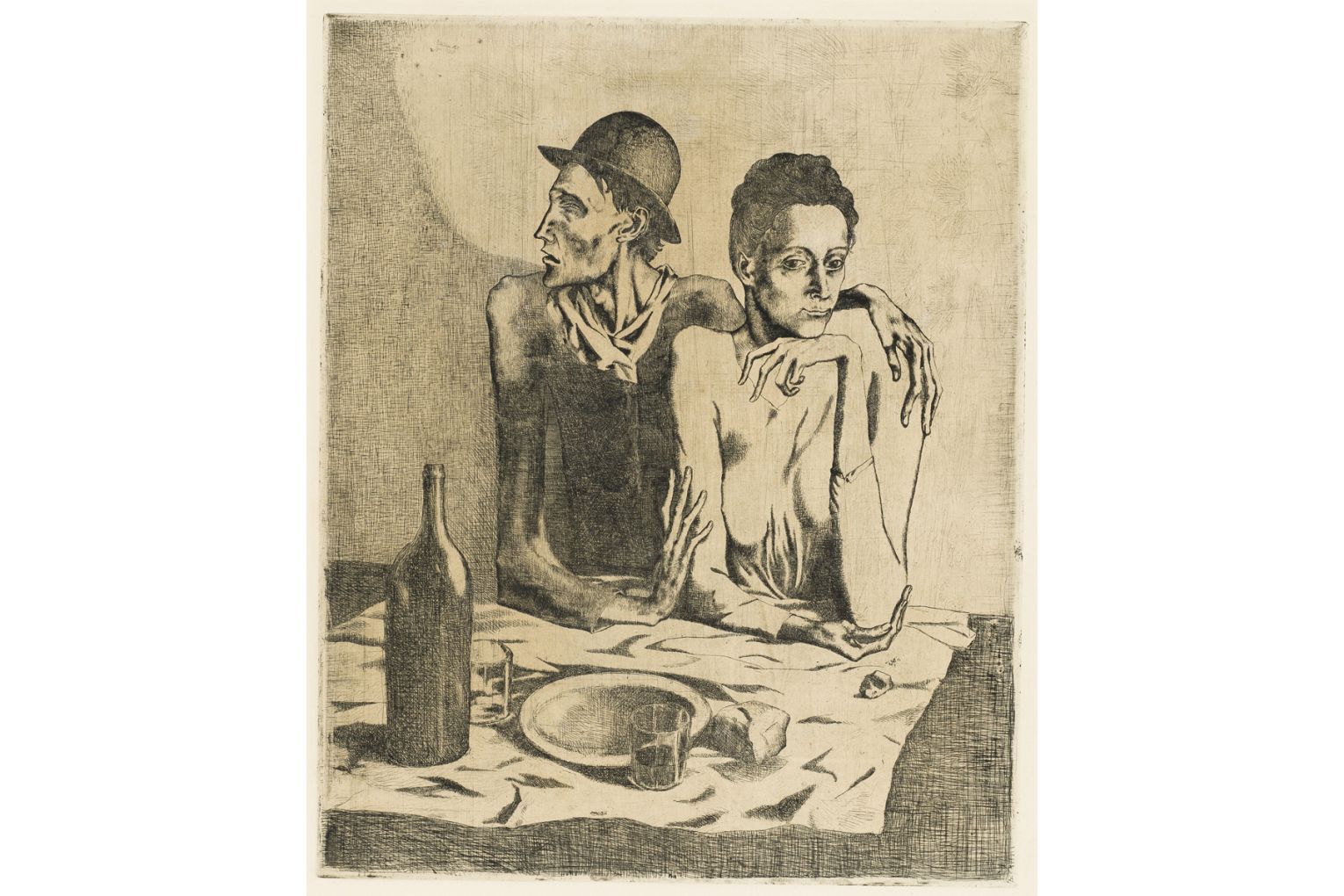
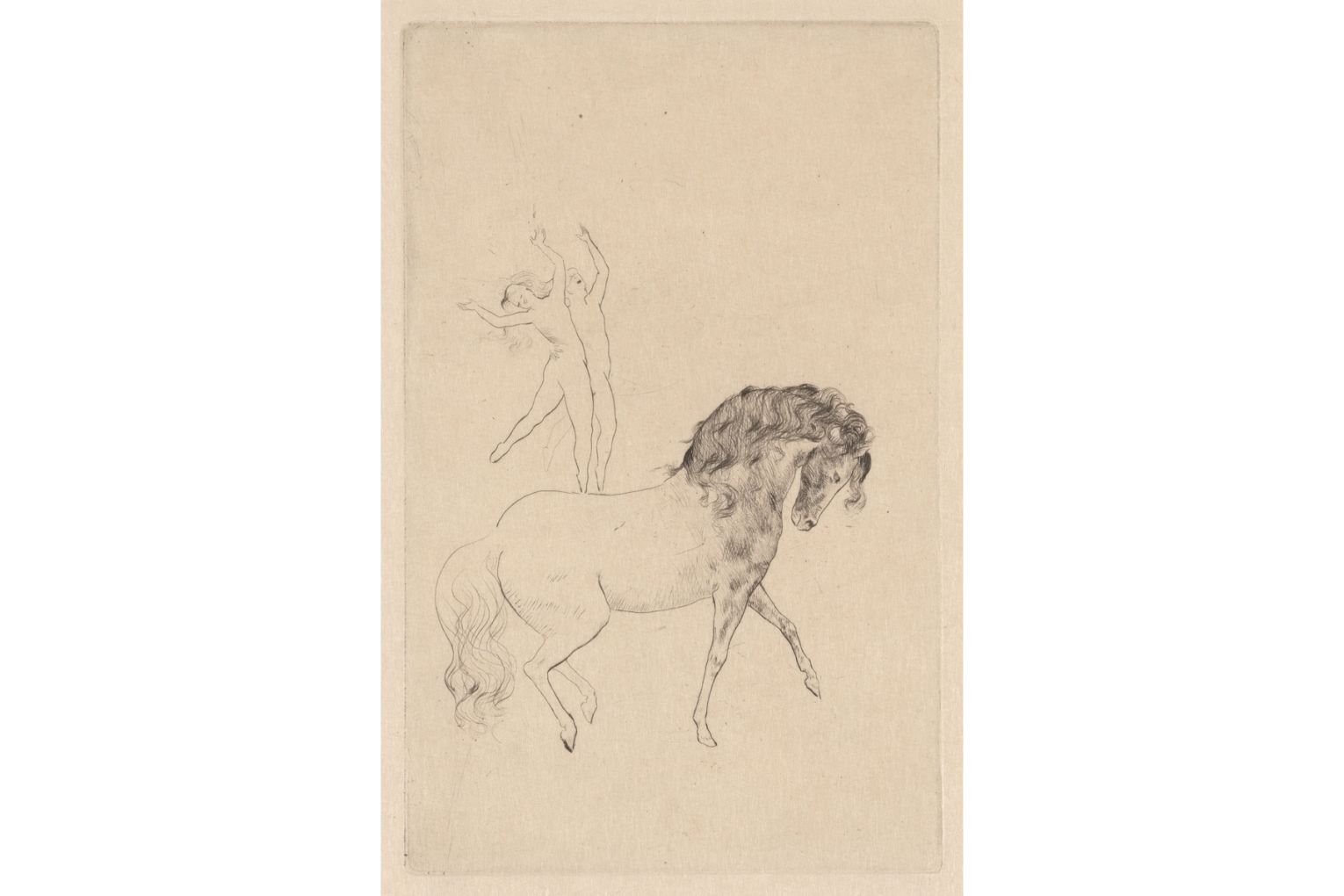
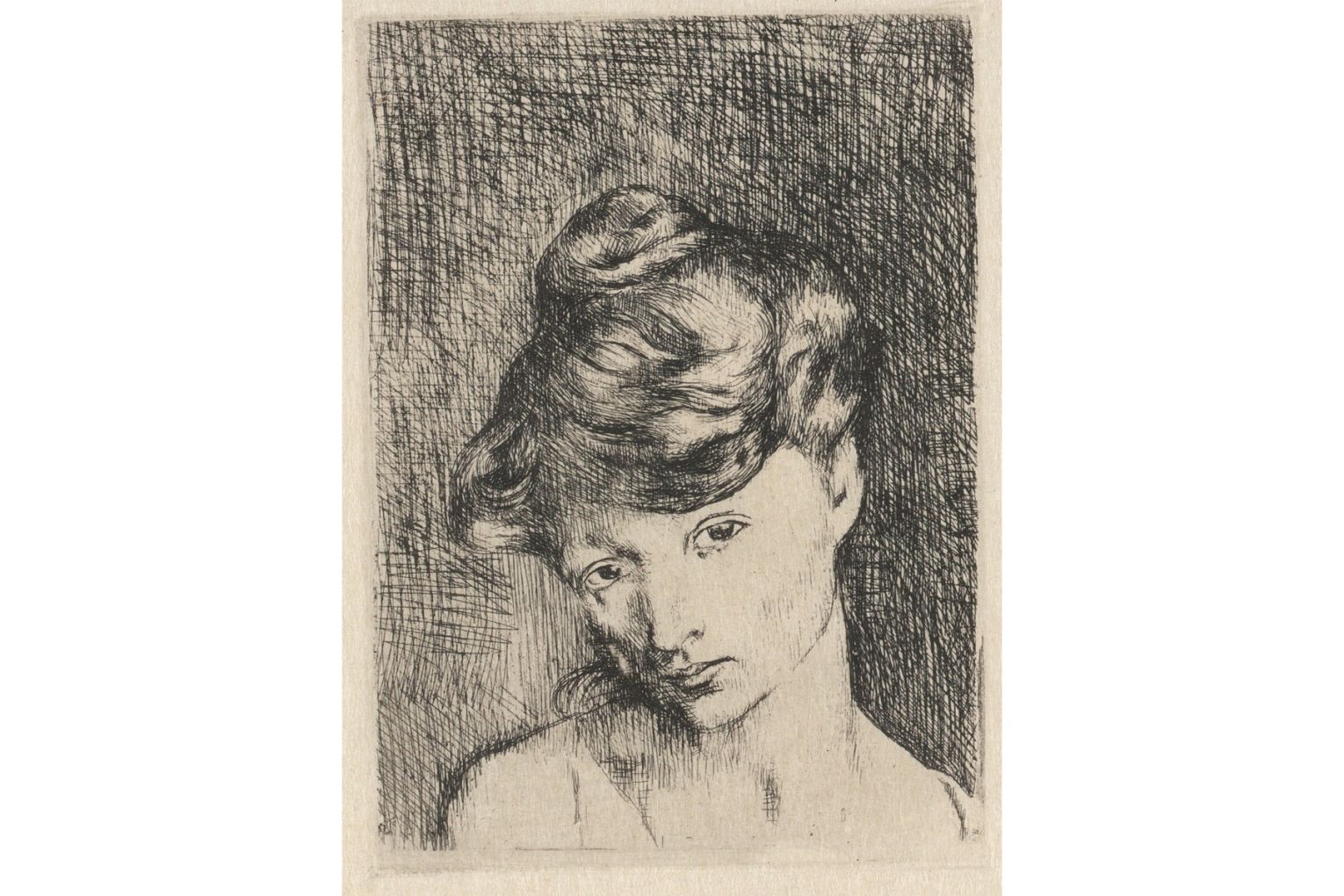
Pablo Picasso is one of the most recognisable names in art history. Yet, even with a career as thoroughly documented as his, there are chapters that rarely sit in the spotlight. A new exhibition at QAGOMA, as part of the gallery’s International Art Collection display, is bringing lesser-known stories into view, focusing on Picasso’s first experiments with printmaking during a formative and highly expressive early chapter of his career.
Opening on Saturday February 14, Sorcerers from Bohemia: Picasso’s Saltimbanques brings together 15 early etchings and drypoints that mark Picasso’s initial engagement with the medium. Created in the early 1900s, the works reflect a period of transition for Picasso, shaped by his move to Paris in 1904 and his immersion in Montmartre’s bohemian scene. It was here that he became fascinated by circus performers – the ‘saltimbanques’ – sketching acrobats, jugglers and street artists as they worked, socialised and moved through the city.
One of the standout works on display is Le repas frugal (The Frugal Meal, 1904), often seen as the closing chapter of Picasso’s famed Blue period. Made when he was just 22, the print captures a clear shift away from the sombre themes that defined his early work, towards the warmer, more intimate tone that would come to define his Rose period.
Working in poverty, Picasso frequently reused older etching plates, with traces of earlier images still visible beneath new compositions. Those layered surfaces offer a rare glimpse into an artist balancing ambition with limited means.
You might like
Although the works were never intended as a formal series, they were later brought together after influential publisher and dealer Ambroise Vollard acquired the plates and published them as La Suite des Saltimbanques.
The 15-piece series is seen together now in Sorcerers from Bohemia: Picasso’s Saltimbanques at QAGOMA, offering audiences a revealing look at the curiosity and creative momentum of an artist on the cusp of transformation.
Sorcerers from Bohemia: Picasso’s Saltimbanques is on display exclusively at QAGOMA from February 14, 2026 to February 12, 2027.
Want to see more stories from InDaily Qld in your Google search results?
- Click here to set InDaily Qld as a preferred source.
- Tick the box next to "InDaily Qld". That's it.