Kate Harman on mortality, movement and The Farm’s must-see Brisbane Festival work
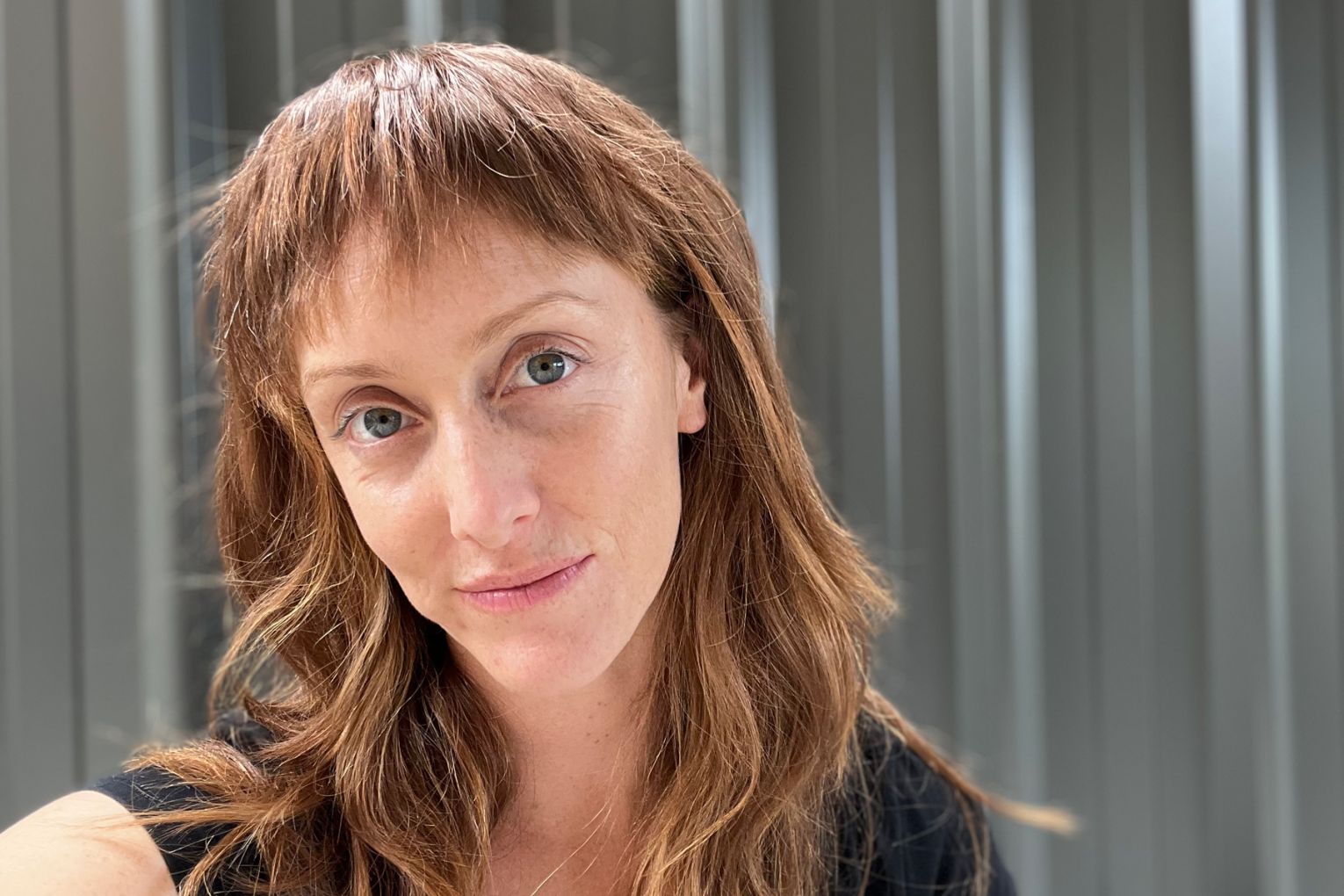
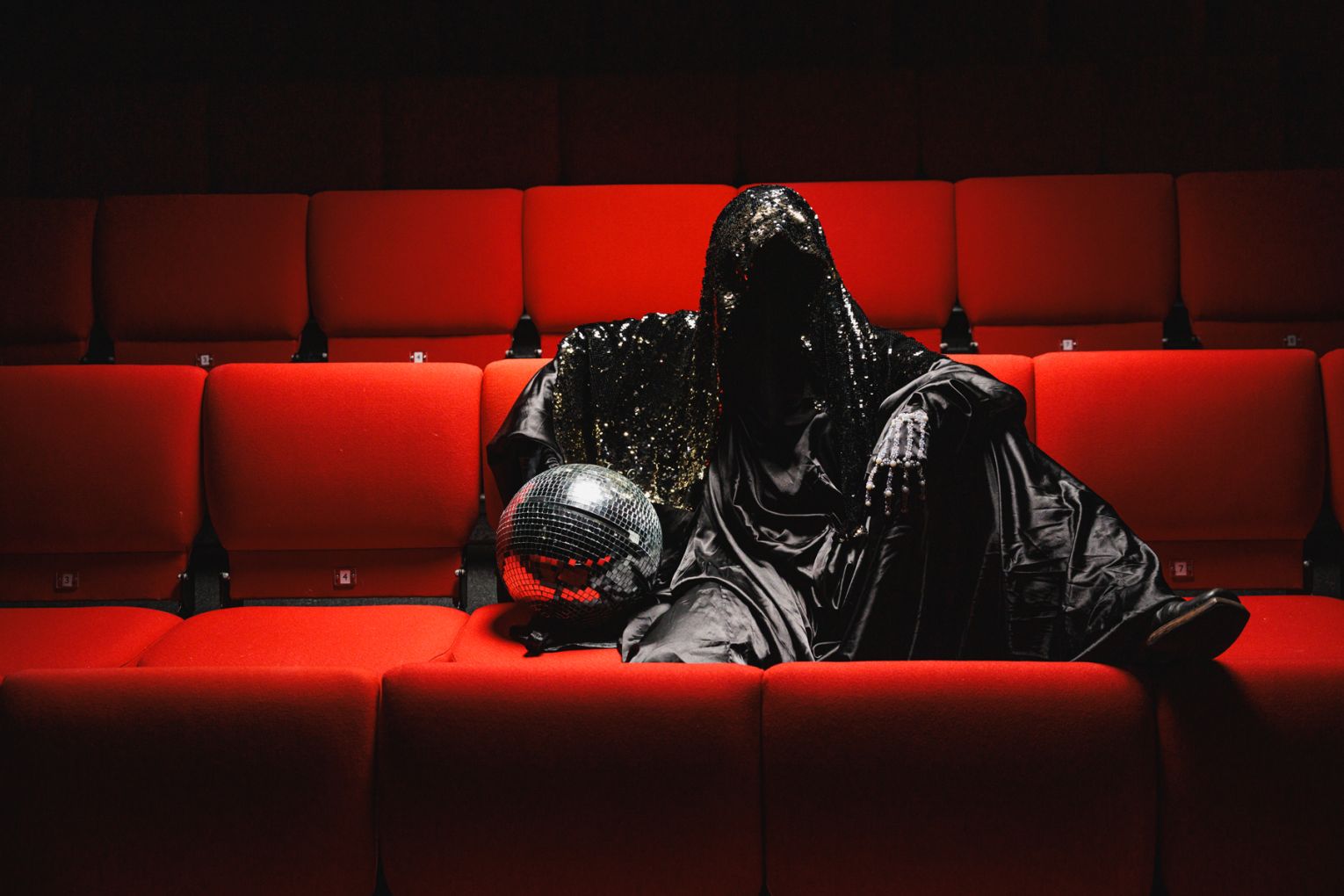
This September, The Farm brings No One Gets Out of Here Alive to Brisbane Festival – a new production that confronts mortality through dance, voice and music. For more than two decades, award-winning choreographer, movement director and founding member Kate Harman has helped shape The Farm into one of Australia’s most distinctive contemporary performance companies, creating bold, emotionally resonant productions presented everywhere from beaches and drive-ins to major theatres around the world. Ahead of the Brisbane Festival season, we caught up with Kate to discuss the inspiration behind the latest production, why death remains one of society’s taboos and what audiences can expect from the experience.
You’ve built a career creating powerful and deeply human works for audiences around the world. Looking back, what first sparked your interest in movement and performance, and what set you on the path to a career in the arts?
Dance and movement were always a way for me to express myself in ways that words have failed me. I’ve danced my whole life – since I was three. It is my escape and also a way to express the complexity of emotions and experiences we hold in our bodies as humans.
As a founding member of The Farm, you’ve helped create work that has connected with audiences in all kinds of settings. What do you think has been the key to creating work that genuinely resonates with people?
I grew up in regional Queensland and, like most of the artists in our company, we come from working-class families that didn’t have much connection to the arts. We create work with access points for those who love the arts and those who may not have had much access or interaction with the theatre. We do this often through humour and the heart. We have a maverick style and mix art forms using high physicality, cinematic visuals, and playful and thought-provoking jokes. We always look for the work to connect first to the heart and the gut and then arrive in the head.
This September, The Farm is bringing No One Gets Out of Here Alive to Brisbane Festival. The work confronts mortality and explores the nature of dying through dance, voice and music with humour, as well as audience participation. Was there a particular moment, conversation or experience that first inspired the project?
You might like
We were thinking about control and letting go. After some of our team lost people they loved, we were confronted with death and these ideas of letting go, surrendering to life – and ultimately death – became something we wanted to explore in order to live our lives better and more meaningfully.
While No One Gets Out of Here Alive might sound confronting on paper, it’s also filled with warmth, humour and moments of connection. Why was it important to approach the subject in that way?
Because life is many things. And even though this work is about death, it is also about life. The duality of those two things is what makes us really live. We want the work to be filled with all the warmth, humour, joy, heartbreak and connection, just like the lives we live.
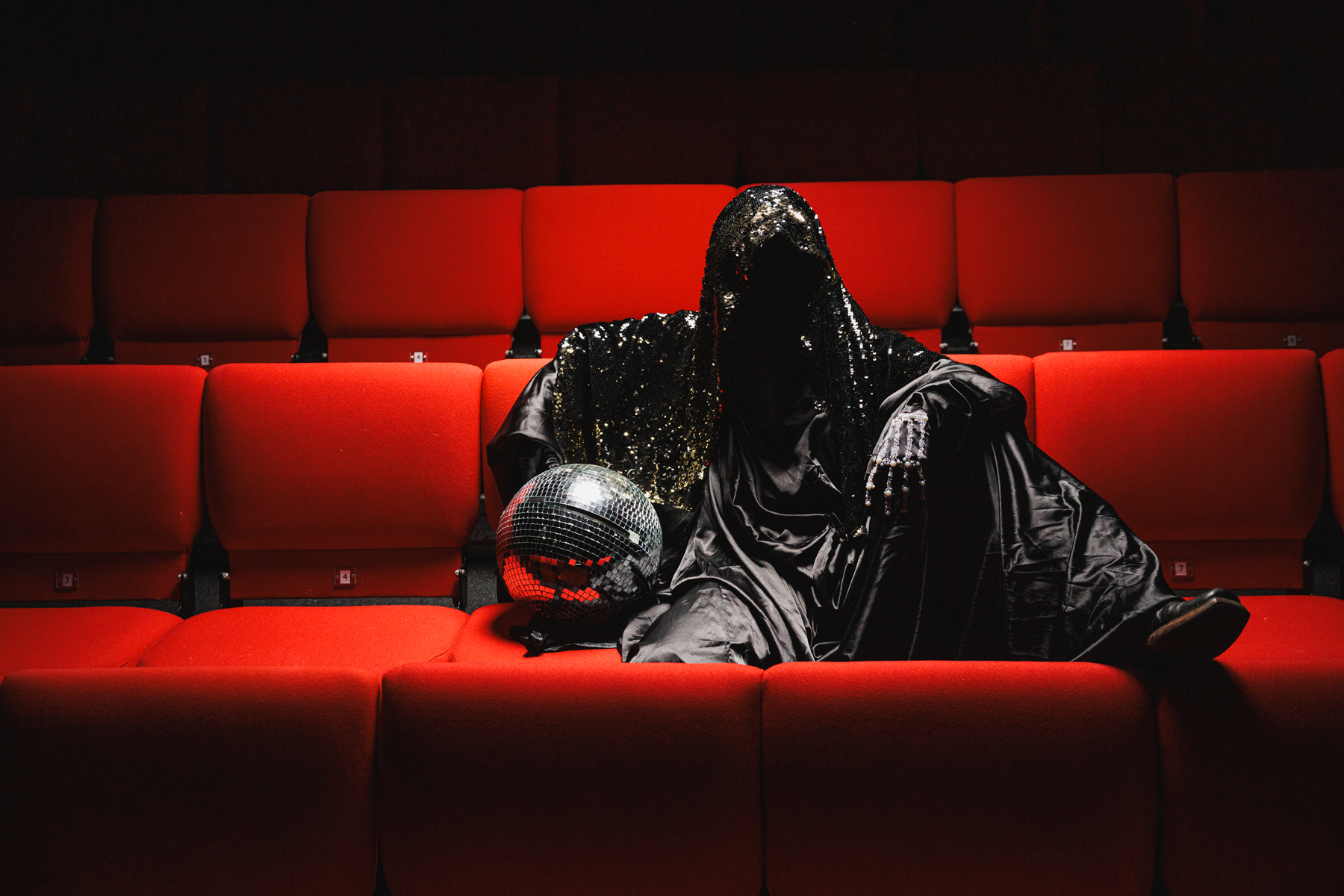
Themes like grief, loss and mortality can be difficult to put into words. What role does movement play in helping audiences connect with those ideas?
Even though we label our emotions with words, we all know that in some cases they can feel reductive. Often emotions are complex and messy things, and movement gives space for the complexity of feelings in a way words cannot. It also allows space for the audience to bring their own experience to the work as their bodies and the performer’s bodies respond to one another.
Alongside the concept of mortality, the work also explores the smaller endings we experience throughout life – whether it’s the end of a relationship, a dream or a chapter of our lives. Why did it feel important to broaden the conversation beyond death itself?
We wanted everyone to have an avenue into the work. And life is filled with so many endings. And perhaps there is something in practicing the art of letting go in all aspects of our lives that helps us when we are finally confronted with death itself.
Death is one of life’s few universal experiences, yet it’s a topic that remains largely taboo. Has creating and performing this work shifted your own perspectives in any way?
For nearly three years of working on this show I’ve been confronting the idea of death daily. What it’s given me is a sweetness and a zest for life. It’s also given me courage where I might have struggled to find it, courage in my actions and courage to be more vulnerable with people. More than anything it has reminded me to surrender to the moment and to really live.
Finally, what do you hope Brisbane Festival audiences are still thinking about on the journey home after seeing No One Gets Out of Here Alive?
We hope that it inspires them to live with their hearts open. In genuine connection, compassion and empathy for one another and this planet we call our home. Through contemplating death with hope they will live more fully.
The Farm’s No One Gets Out of Here Alive will take the Thomas Dixon Centre stage as part of Brisbane Festival from September 9–12. Click here for tickets and more information.
Want to see more stories from InDaily Qld in your Google search results?
- Click here to set InDaily Qld as a preferred source.
- Tick the box next to "InDaily Qld". That's it.