Print is back: The independent magazines putting Brisbane creativity back on paper
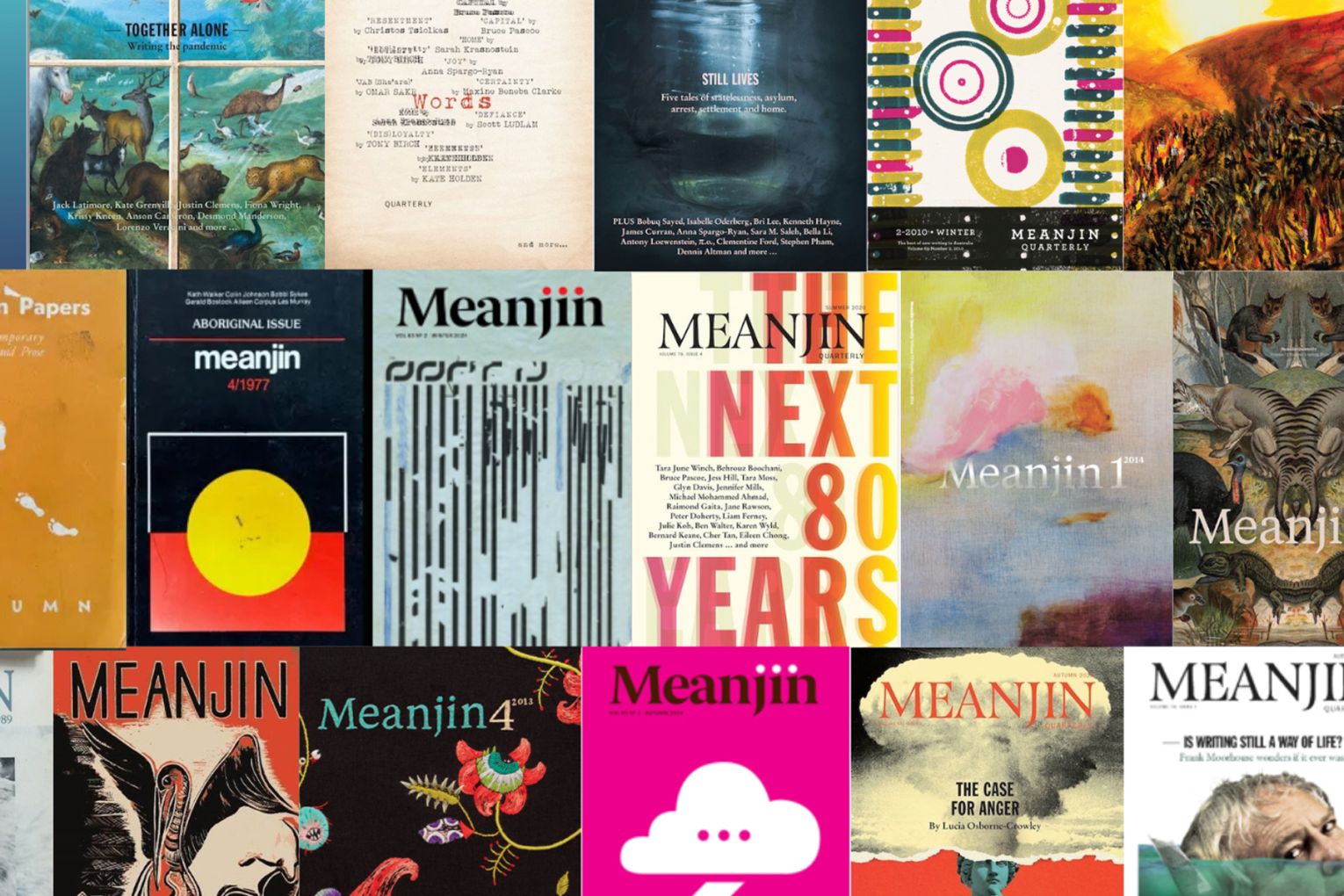
Dismissed as outdated, culturally defunct and represented commercially by gossip mags and tabloid newspapers, print magazines tend to get a bad rap in contemporary conversation. Brisbane’s independent print publication boom symbolises a welcome return to analogue media. At their core, these publications, and others like them, are an alternative form of communication for Brisbane’s creative community. Whether that be through ambiguous artistic expression or direct grassroots journalism, their abundance shows that we have a lot to talk about. Here are some of the best that the city has to offer …
No Order Publishing
No Order was conceived out of a need for unfiltered coverage of the bustling underground arts scene in Brisbane. It began in 2021 as a print magazine whose sole creator, Liv Bridge, was frustrated with the censorship of traditional media. No Order features works from a multitude of mediums including photography, painting and sculpture.
Alongside each print edition, No Order hosts a corresponding exhibition featuring the magazine’s contributors in a gallery space. It is a publication that focuses only on the quality of an artist’s work rather than perceived fame or following. Over the last year, No Order has begun its transition into an independent publishing house to assist in the development of new independent publications. For No Order, print media is a way of archiving moments in time that would have otherwise been buried under social media posts and clickbait.
Somersault Magazine
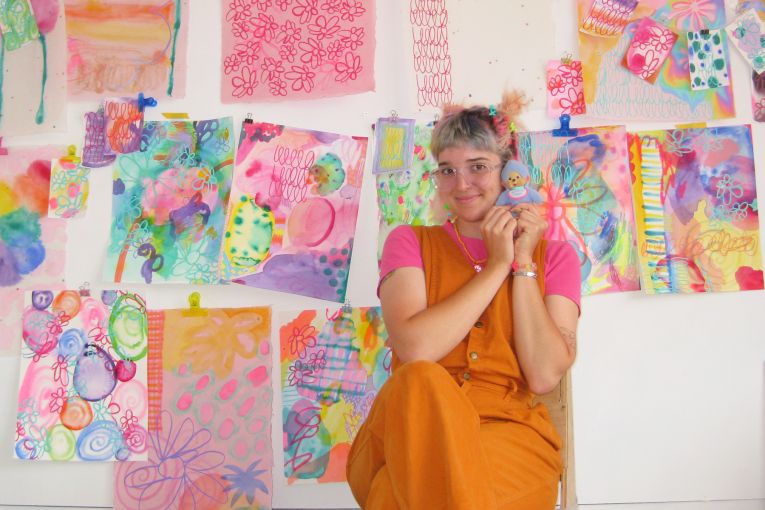
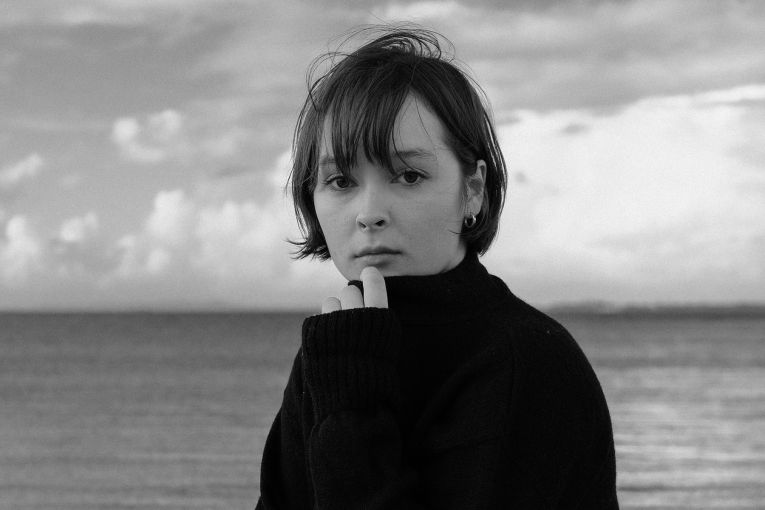
Somersault emerged in April 2025 as an independent music and culture magazine born from an admiration of magazines like Popeye, Apartamento, Lucky Peach and Dork. Somersault is built on a deep admiration for the Brisbane scene. Unlike many young creatives, founders Kelsey and Rei are in no hurry to leave. “We’re big advocates for Brisbane, no matter how much the rising rents test us,” says the couple. “We could never see ourselves leaving the best city in the world.” The mag has received an influx of support from local brands and the greater community, finding that readers value uninfluenced, genuine recommendations free from AI curation algorithms.
Though it is predominantly a music mag, Somersault also publishes art, photography, food and drink, fashion, travel, architecture and more. Since launch, they’ve released two print editions, held a number of local events and had the opportunity to feature bands like Fontaines D.C., IDLES, Amyl and the Sniffers, Shady Nasty and Ninajirachi. The magazine’s third edition is set to launch later this year, alongside plans for a major showcase at QMusic’s BIGSOUND.
Frocket Magazine
Frocket began in the mid-2000s as a university class at the Brisbane-based Queensland University of Technology. Originally called Frock Paper Scissors, the class was unfortunately discontinued during COVID, then reinstated as a student club, until ultimately disaffiliating with the university in 2025 to become an independent publication. Frocket’s print editions not only offer a spotlight for up-and-coming artists – its last edition included over 40 contributors – but provide Brisbane creatives with something physical to gather around.
The magazine’s launch parties are a collection of all that Brisbane has to offer, from sex-positive grandmas to swag baristas. Frocket prides itself on being a publication of living creativity, championing up-and-coming creatives. This publication strives to push boundaries that little bit further. When asked what makes print and online media essential in creative communities, Frocket co-directors Campbell and Ava expressed the importance of freedom of expression that independent publications so often have and their ability to highlight the root of what creative communities are built on.
Subscribe for updatesMeanjin Literary Journal
Originating in Brisbane, the literary journal Meanjin was established in 1940 by founder and poet Clem Christensen as a response to the war-affected creative scene. In 1945, Meanjin moved to the University of Melbourne and was made part of Melbourne University Publishing in 2008 before finally returning to its namesake of Brisbane/Meanjin in 2026. The journal features fiction, non-fiction, poetry, essays and illustration from a blend of diverse, established and emerging creatives.
The Meanjin Archive is a truly outstanding resource, going back over 85 years and comprising almost every edition, and features the early works of Tim Winton, Helen Garner, and Patrick White. What began as a locally circulated poetry pamphlet has grown into one of Australia’s most prestigious publications. Meanjin’s Amanda Bell underscored that good writing has a special ability to connect readers and authors alike, saying, “every writer was first a reader, inspired by example to put pen to paper.” Today, Meanjin continues Clem Christensen’s mission as a bastion of thinking and creativity in these often grim times.
Want to see more stories from InDaily Qld in your Google search results?
- Click here to set InDaily Qld as a preferred source.
- Tick the box next to "InDaily Qld". That's it.