Inside Underground Audio, the storied recording studio preserving analogue craft
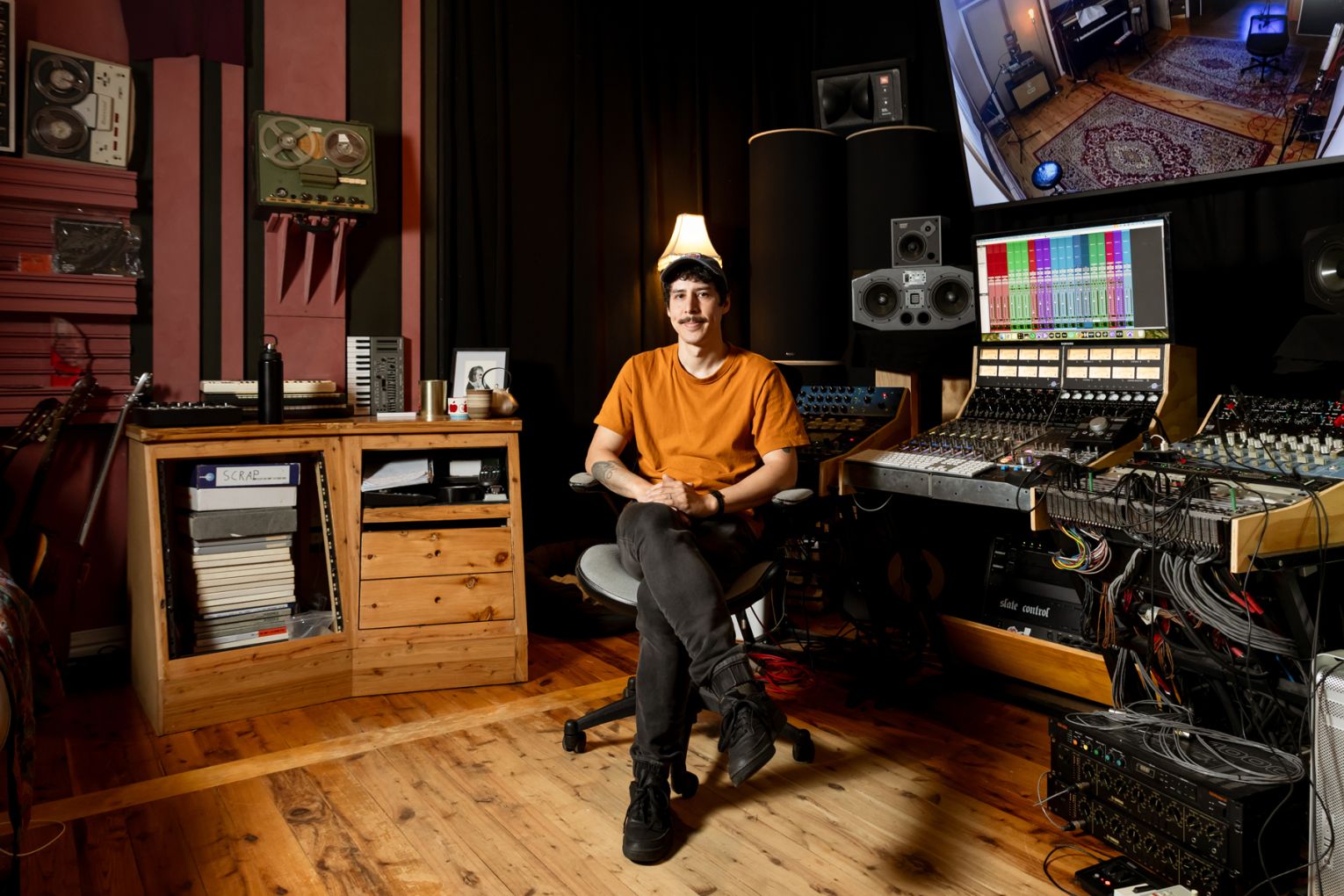
Brisbane’s premier analogue recording studio is proof that the best things in life can take a bit of hunting to find. Tucked away on a sunny little street in Nundah is Underground Audio, an independent recording studio owned and operated by Chris Brownbill, a recording engineer who’s spent fifteen years in the music scene of Australia’s east coast. Let’s take a look inside.
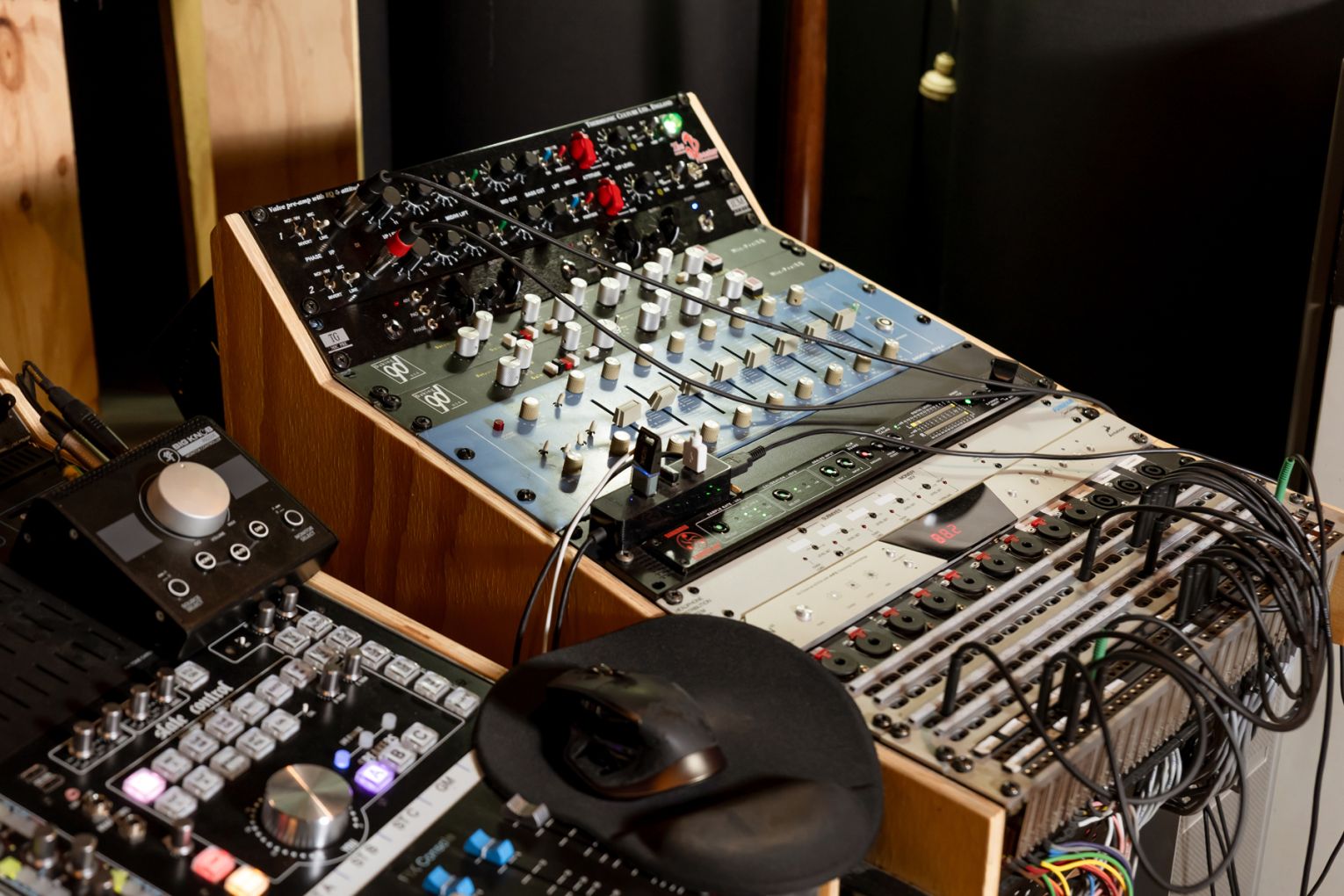
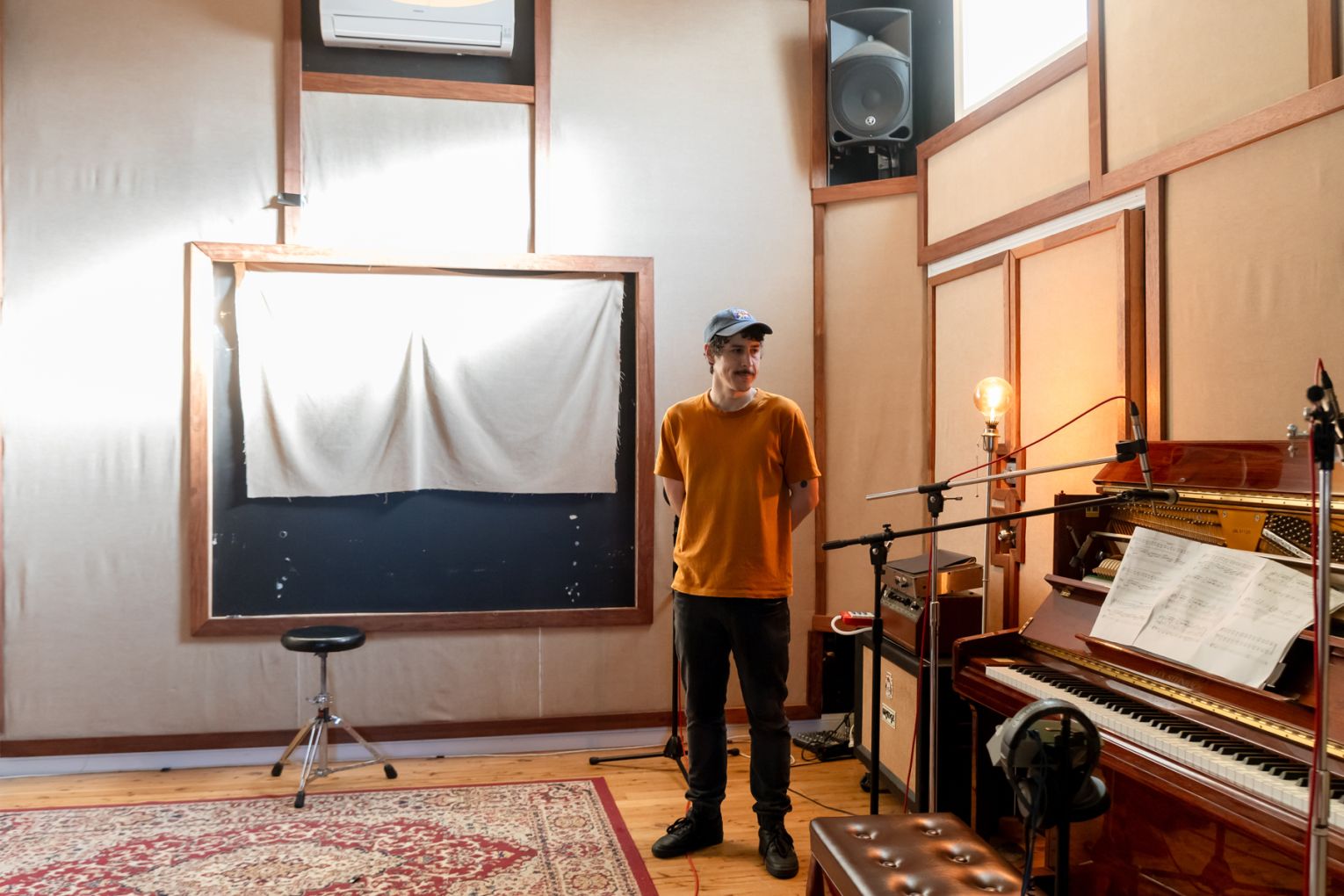
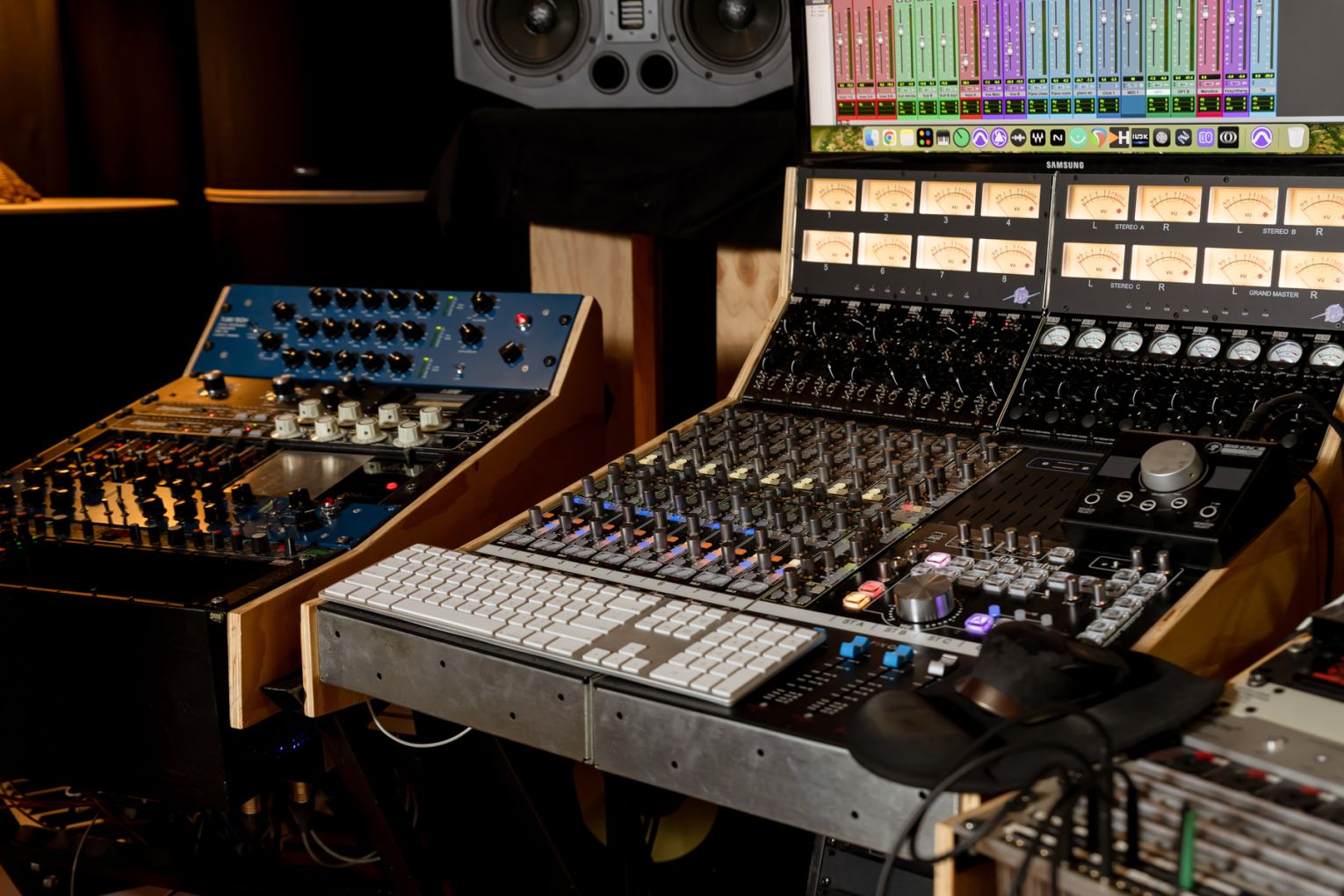
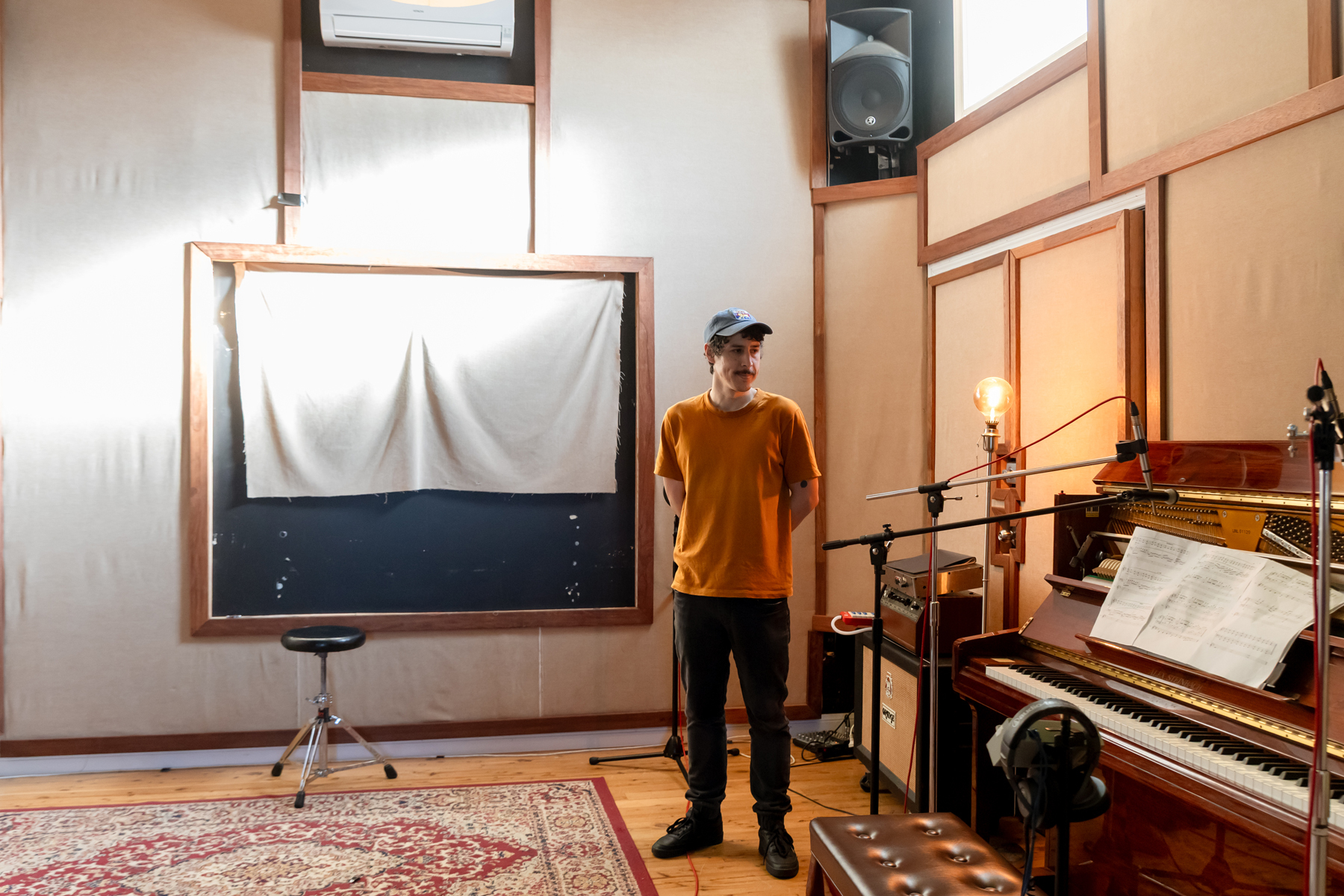
When Chris leads us into the Underground Audio studio, the atmosphere quickly changes. Gone is the facade of the bright open Queenslander that shields it from view, replaced by the recording studio of every musician’s dreams – mood lighting, furniture well-worn by years of use, and the nostalgic charm of analogue equipment. The result is a space that is as cosy and unpretentious as it is serious about the craft it preserves.
Chris Brownbill has donned many hats across his career, from playing in multiple bands to starting his own live music venue Sun Distortion in 2011, which doubled as an art gallery, printing space and studio. He’s also cut his teeth with Steve Albini and Greg Norman in Avignon in the south of France, as part of a mentorship at Black Box Studio.
“I met a lot of like-minded engineers from Bogota to Hong Kong to Adelaide,” Chris explains. “We still keep in touch with each other, but when I came back home, I was like okay, now it’s time to open a recording studio.”
Spurred on by the trend of recording becoming increasingly individual and computer based, and the slow loss of ensemble recording, Chris launched Underground Audio in 2014, named for its original underground location on Parry Street in West End. The subterranean space’s tendency to flood meant the studio had to move in 2020, so Chris relocated to Nundah.
“The reason I moved to this space is because this was kind of a famous room in the late 90s with old rock bands like Butterfly Effect and Kiss Chasey recording here and it’s famed for its drum room,” Chris explains.
When it comes to Underground’s old-school ethos, Chris explains it’s not just because the old ways sounds better, but also a way to preserve the lost craft of analogue and ensemble recording.
You might like
“The larger aspect of the Underground philosophy is preserving ensemble recording and not trying to solve all the problems later on a computer,” Chris says. “I try to encourage people to learn to play together as a band and really get to know how they relate to each other in the room.”
Rejecting the sterile feel of the recording studios of his teens, Chris curated Underground Audio to have an approachable and welcoming feel, so as to not to intimidate artists with little or no recording experience. Whereas the studios Chris grew up with would try to “fix” bands’ sounds, Underground is more about meeting the artists where they are.
“Some studios can end up becoming like man caves, so I would cringe if anybody thought that. I want everything to be utilitarian,” Chris explains. “I wanted to make a space where bands could come and make their record the way that they want to make it.”
Step into the space and you’ll find a room’s worth of analogue recording equipment, pieces that Chris has been collecting since he was fifteen. The tool in his collection he’s most proud of is the multitrack recorder, a transport-based recorder that uses magnetic charge to print analogue tape, the same way that celluloid film does to be played back and reproduced.
“It forces me to listen to music and be patient, and it has a magic sound to it,” Chris says fondly. “I think there’s maybe only one or two other ones in the country, and they’re not in use, so it’s cool to have something here from North America that was purpose built. It’s kind of the high watermark of analogue recording.”
The result is a highly-specialised space custom-fitted to accomodate ensemble recording that has earned a reputation across Brisbane and beyond. Chris boasts the studio can fit an ensemble of up to 12 people and that he can recognise the sound of his studio on the radio.
Subscribe for updates“We’re not really prescribing to the mass-market industry machine or what the algorithm is trying to do,” says Chris. “Which ends up being an interesting experience as an engineer, because I record people telling their stories – like someone from Senegal’s here today playing a kora or a trans woman’s 45-minute soundscape project.”
Bands like post-hardcore emo noise pop artist naaki soul (who we passed sitting out front and tinkering with a song on the way into the studio), indie rock duo Mess Esque, heavy alt-rock four-piece Special Features are just a few of the artists who have recorded at Underground, with an exciting collaboration between Sydney band Brat and Filipino rapper Bayang the Bushranger to join the ranks soon.
Chris also observed that, since the COVID years, there’s been a major increase in young people and women getting involved in the scene. Chris’ landlord, who also works at music retail store, told him there are now twice as many young women buying guitars, pedals and instruments than there used to be.
“When I started out when I was 20, there were hardly any women involved in music at the time, but these days it’s definitely half and half and that’s a significant change,” Chris said.
No two days at Underground Audio are the same – when he’s not actively recording bands, Chris spends his days mixing with bands in-person or over Zoom, calibrating the tape machine, working on mix revisions or working on rebooting the Underground Live Sessions series and Podcast again.
When asked where the studio’s charm comes from, Chris put its down to Underground’s dedication and drive.
“It’s impossible to find a space that’s wide the way this is wide, and I guess every band that sounds like Nirvana records here. Pretty much anybody who plays that kind of music thinks, oh we’ve got to get Underground now.”
“I just like to think that I’m trying to do things properly here, so that’s maybe a bit hard to come by, and maybe people want that.”
Want to see more stories from InDaily Qld in your Google search results?
- Click here to set InDaily Qld as a preferred source.
- Tick the box next to "InDaily Qld". That's it.