Queensland will always rule for this Maroons fan
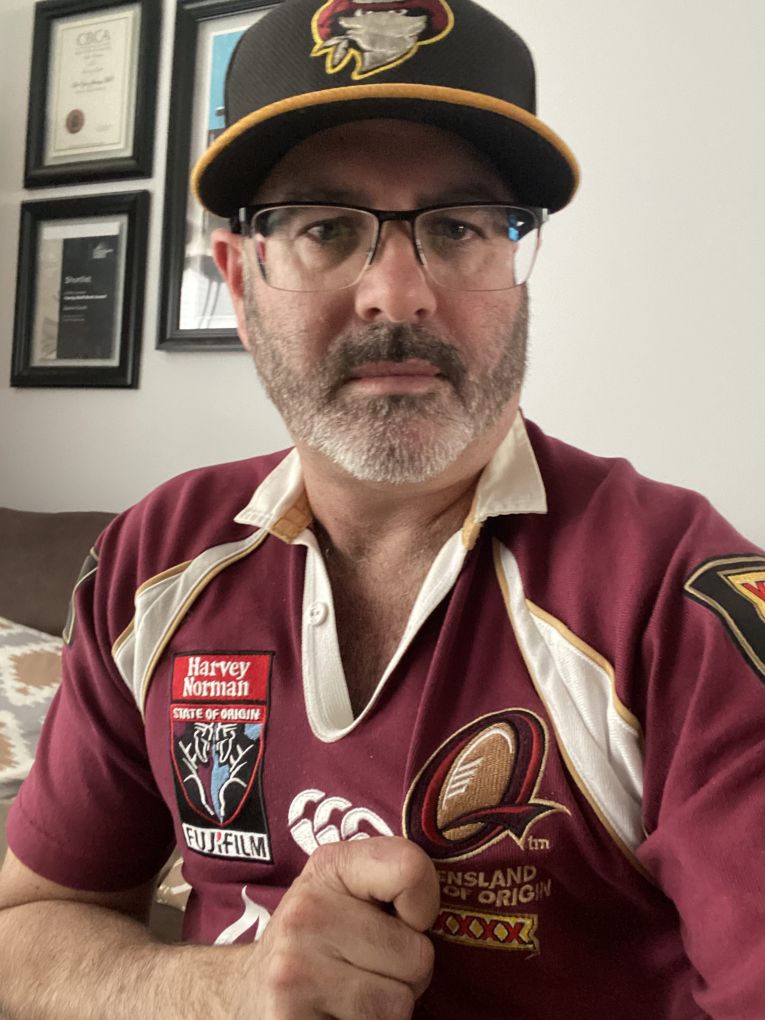
Queenslander Darren Groth writes a very Queensland memoir about a very Queensland topic – the State of Origin.
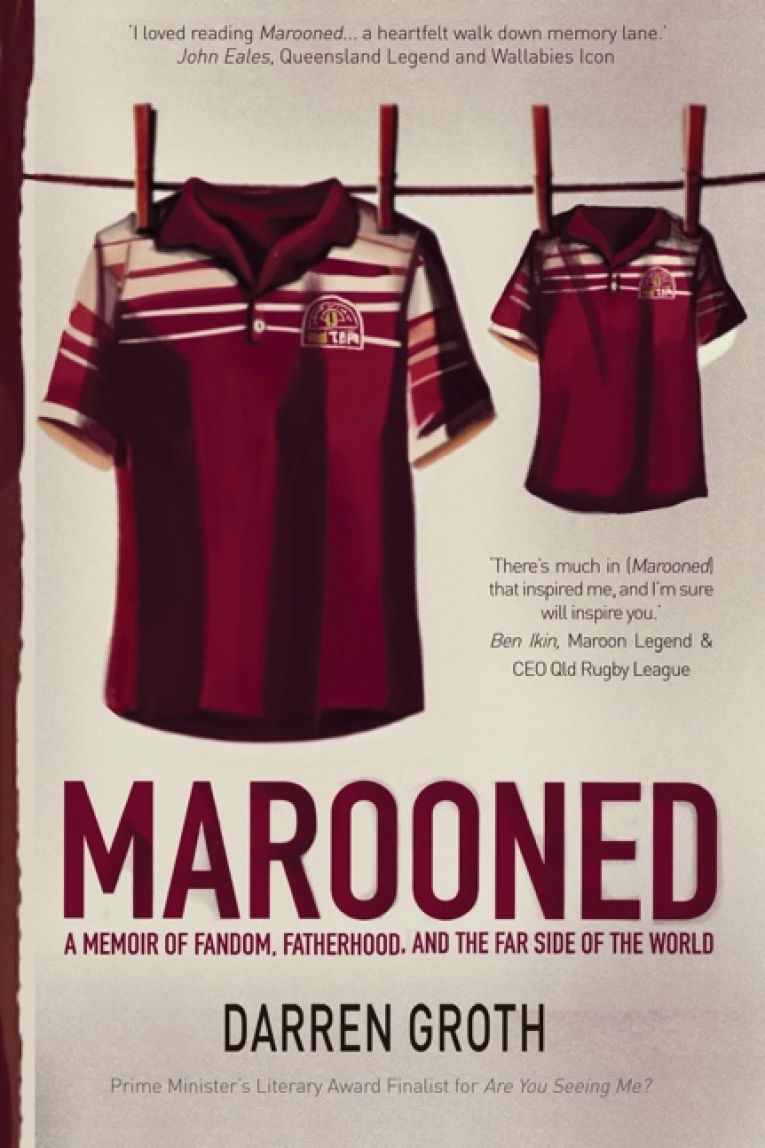
For such an iconic sporting event, rugby league’s State of Origin series has produced surprisingly little in the way of literature outside of match reports and player biographies. That is set to change with the publication of Marooned: A memoir of fandom, fatherhood and the far side of the world by novelist Darren Goth.
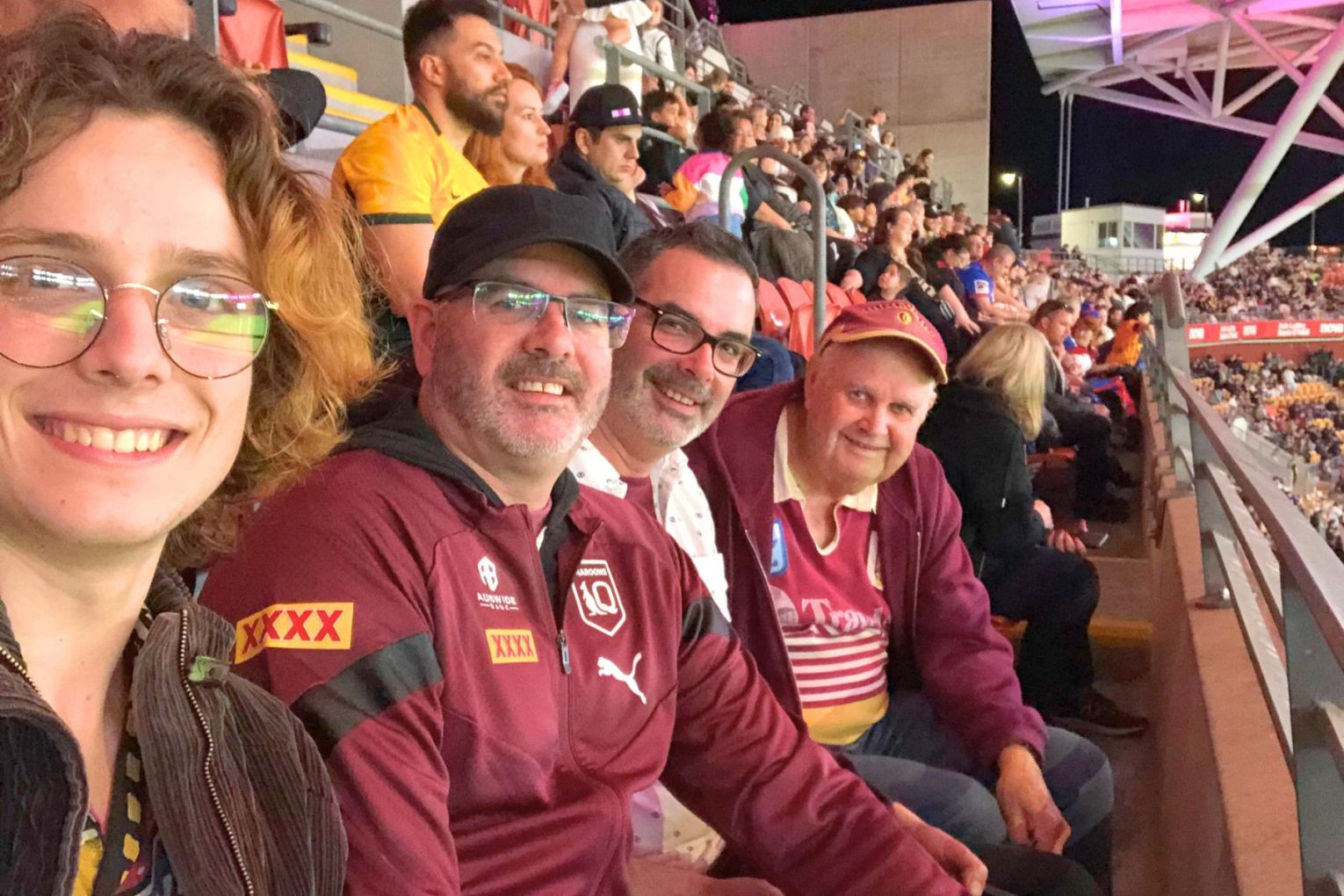
Marooned spans five decades of Groth’s life, a fair bit of which was spent watching and thinking about State of Origin. The entertaining, moving book is a time capsule not only of Goth’s life but also fatherhood, legacy, identity and State of Original football. Stephen Vagg spoke with Groth about his new work.
 Tell me about the process of writing the book?
Perhaps because it centred on rugby league, or perhaps because it wasn’t a novel, Marooned was the easiest and most enjoyable of the 10 books I’ve written to date. The format meant there were a lot of definitive milestones to celebrate (finish an essay, crack a coldie!), and not much of the “middle slog” that has characterised my other work’s process. The downside of all that ease and joy? I had a little voice in my head questioning if it was any good. Typical writer cliche: anything less than a struggle must be crap! Thankfully, folks to date have assured me it’s a good read and well written.
Were there any particular inspirations?
Nick Hornby’s Fever Pitch was a big influence. I love that book and wanted to write my version of it. And I knew it was the kind of story that hadn’t yet been told in the Australian sporting canon — a literary exploration of the fan’s experience. Helen Garner’s brilliant book The Season was also very affirming, although I came to it late in the writing and editing of Marooned. Lastly, the legend Thomas Keneally was a big inspiration from afar. To quote a line from the book: “Blow that whistle, ref, for the footy literati!”
My North Star was my father’s health. As outlined in the 2022 essay that frames the book and anchors the journey back through the decades, Dad’s cancer diagnosis was the terrible but powerful fuel to get the job done while he was still with us, still healthy, still able to enjoy this celebration of him, our family, and our team. More than once, I had the dreadful thought that I would end up writing a Marooned epilogue set at his funeral. Blessedly, he remains good, defying the odds. I’ve asked him to read one of his Origin poems at the book launch — I know already it will be the highlight of my night.
How much research did you do?
A decent amount. Unsurprisingly, I watched a lot of old Origin (thank you, YouTube) — it helped jog the memories of where I was for the games, who I was with, what I was doing. I talked to family a lot about the early years. I read the journalism and media coverage for each of the games/series that were the subjects of the essays — so many “Queensland can’t win!” declarations from Cockroach Corner followed by delicious humble pie. I don’t recall any clashes of memory; no self-respecting Queenslander would misremember an Origin triumph!
What was the hardest bit of the book to write?
The parts about the fertility issues my wife, Wendy and I went through were challenging. Also the period where our son, Jared, was demonstrating signs of the autism and intellectual disability that would change our lives forever.
 How did you decide how much football to put in versus personal stuff?
Mainly instinctual. I knew balance was paramount, not just between the footy and the personal, but also the way the narrative was delivered. Doses of dropping the reader into the moment among the reflective looking back was key to keep the writing propulsive. In the end, my goal was for non-Maroon tragics to find something worthwhile and accessible and compelling in the story, and the verdict to date is I managed to achieve that.
You live in Canada. How has that shaped your view of Origin?
It’s made my love and appreciation of Origin and Queensland even greater. In talking to people here, I’ll evangelise and indoctrinate them into the Maroon fold. I also use it as a point of comparison and connection. Recently, I mentioned to an ice hockey-loving Canadian (which is ALL Canadians) that QLD v NSW is much like Finland v Sweden in hockey, the former the plucky overachiever, the latter the entitled underachiever.
Subscribe for updates
Who are your favourite rugby league writers?
I was always a fan of the Queensland voices covering the game. Mike Colman, Robert Craddock, Steve Ricketts, Peter Meares. I met Peter Meares once at a writers’ festival in Toowoomba — for me, it was like hobnobbing with royalty. I read Joe Gorman’s Heartland while working on the book. Superb.
How would you pitch this book to an AFL fan?
Marooned is passion, family, legacy and identity. Sound familiar?
What’s your most traumatic sports memory?
A couple come to mind, both of them recent and off the field. The tragic passing of Paul Green. And learning of The King’s probable CTE diagnosis, my feelings about which I explore with some depth in the book. As far as the on-field action is concerned, McGaw in ‘87 (get stuffed, Mick Stone). Thankfully, I wasn’t in Brisbane as a live witness to the Broncos’ meltdown in the ‘23 grand final, otherwise that would be right up there.
Marooned: A memoir of fandom, fatherhood and the far side of the world by Darren Groth, Hawkeye Publishing, $34.99.
hawkeyebooks.com.au/collections/coming-soon/products/marooned
Want to see more stories from InDaily Qld in your Google search results?
- Click here to set InDaily Qld as a preferred source.
- Tick the box next to "InDaily Qld". That's it.
Free to share
This article may be shared online or in print under a Creative Commons licence