Inside Pompeii exhibition is a window to the past
A HOTA exhibition of photos of Pompeii is a stunning meditation on the past and a window into the lives of the people living there when it was destroyed.
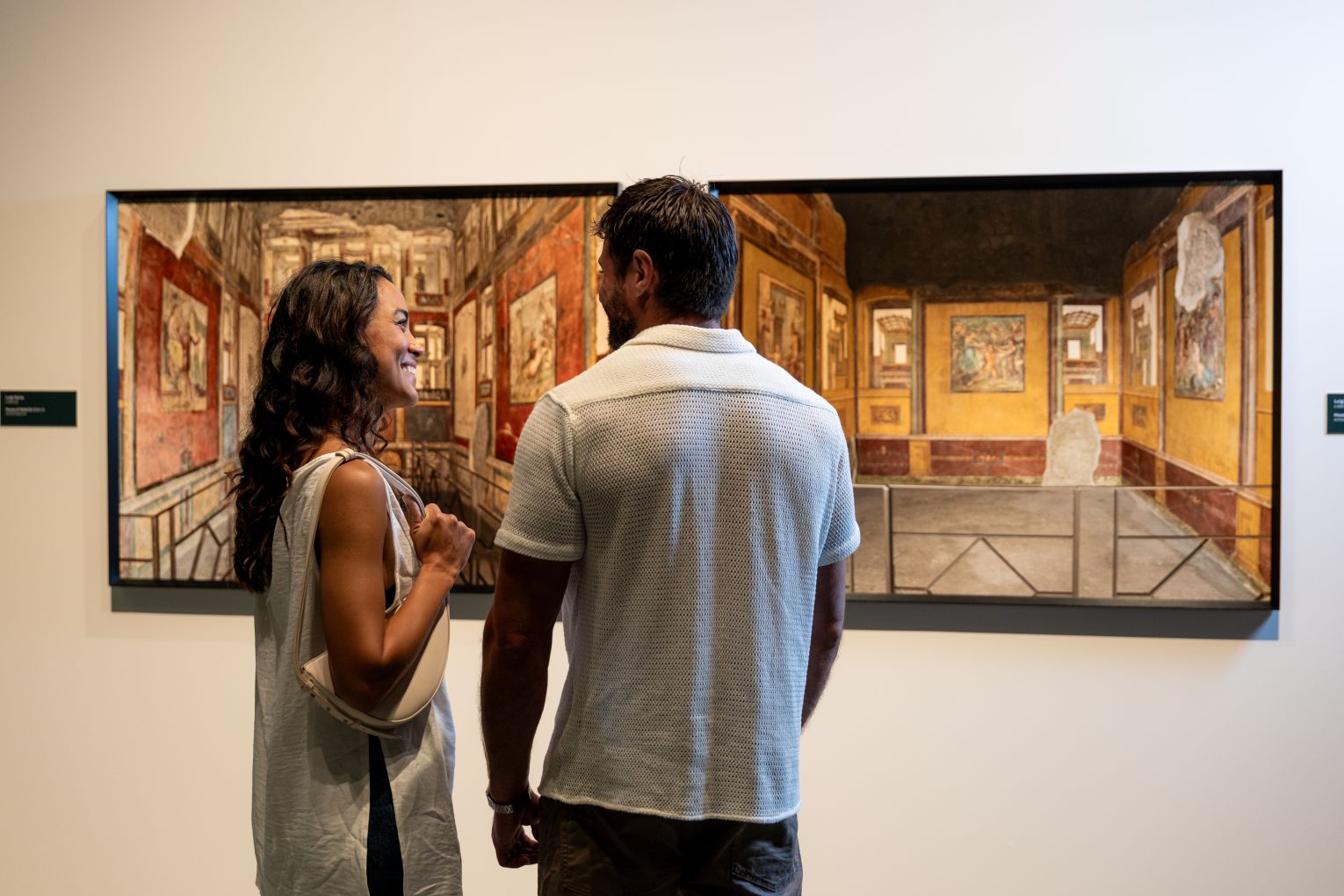
It seems only appropriate that a new exhibition about Pompeii is a result of a disaster. I refer to the global COVID-19 pandemic that allowed an unprecedented period of access to the Archaeological Park of Pompeii, which was closed to the public at the time.
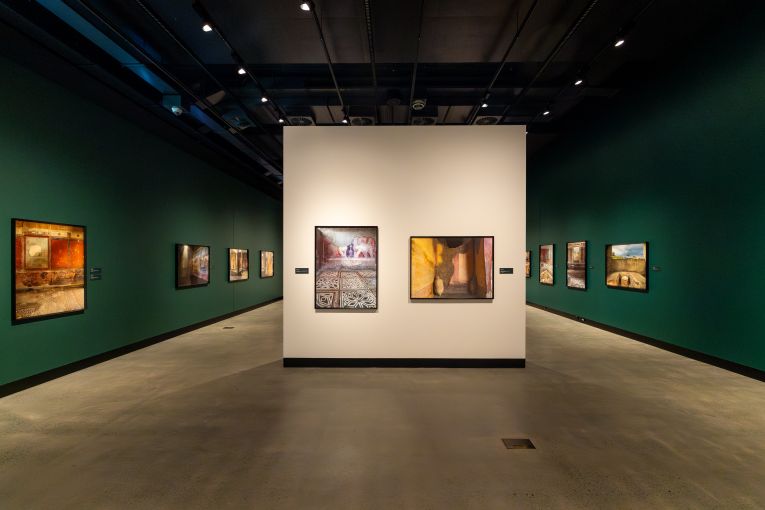
The exhibition offers unique insight into one of history’s most extraordinary archaeological sites by showcasing the evocative photography of acclaimed Italian artist Luigi Spina.
Seizing the opportunity given to him by the pandemic and using a purpose-built camera designed to capture images exclusively in natural light, Spina took the rare opportunity to immerse himself fully in the site’s timeless architecture and spaces, resulting in more than 1450 photographs being documented.
Pompeii was a thriving Roman city near modern Naples, Italy, which was catastrophically destroyed and buried under four to six metres of volcanic ash and pumice by the eruption of Mount Vesuvius in 79AD. The eruption, which followed a significant earthquake in 62AD, preserved the city in incredible detail, offering an unparalleled glimpse into ancient Roman daily life, from bakeries with loaves still in ovens to haunting plaster casts of victims.
The European Union, together with Arts Queensland and the Gold Coast’s HOTA now present the acclaimed exhibition Inside Pompeii: Origins of a European Way of Life.
You might like
The exhibition reflects on the enduring influence of the past in shaping contemporary identity and culture. Through Spina’s lens, the exhibition highlights the timeless nature of human experience, offering a powerful meditation on how history continues to inform our shared ways of living.
EU Ambassador to Australia Gabriele Visentin says that “with ties between the EU and Australia increasing, I am delighted to showcase European culture and history with our Queensland friends”.
“The Inside Pompeii exhibition reminds us of our timeless shared humanity, and that our ways of living need preserving and protecting. As the Gold Coast is a destination which is synonymous with art, culture and lifestyle, HOTA is the perfect venue for such a cultural event,” Visentin says.
Subscribe for updates
Arts Minister John-Paul Langbroek is the Member for Surfers Paradise, so the exhibition is happening on his patch.
“Inside Pompeii is a stunning mix of art and history that will attract new audiences to the Gold Coast,” he says.
Experience Gold Coast head of arts and culture Yarmila Alfonzetti says the exhibition “speaks to the enduring presence of history in our everyday lives”.
“These photographs are both quiet and monumental, offering moments of reflection that resonate long after you leave the Gallery,” Alfonzetti says.
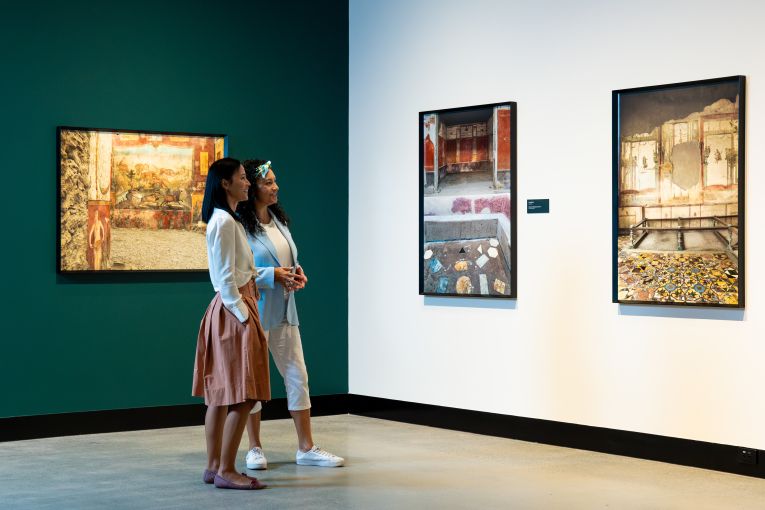
Through the lens of a purpose-built camera that allows photos to be taken in natural light, Pompeii is brought back to life. These stunning images invite us to walk its storied streets, hear the echoes of people’s lives, and marvel at the intricate frescoes that capture both the grandeur and intimacy of an ancient European way of living.
The exchange of cultural knowledge, traditions and art between the EU and international partners is key to fostering mutual respect and understanding, which creates peace and stability around the world. As a World Heritage site, Pompeii is preserved for the sake of the world, like the 20 World Heritage sites in Australia.
Inside Pompeii: Origins of a European Way of Life is on at HOTA (Home of the Arts), Surfers Paradise. Free admission.
hota.com.au/whats-on/live/exhibitions/inside-pompeii-originsof-a-european-way-of-life
Want to see more stories from InDaily Qld in your Google search results?
- Click here to set InDaily Qld as a preferred source.
- Tick the box next to "InDaily Qld". That's it.
Free to share
This article may be shared online or in print under a Creative Commons licence