Studies show humans might be mozzies’ favourite meal
Scientists have observed that mosquitoes are favouring human blood as biodiversity loss means other sources are dwindling.
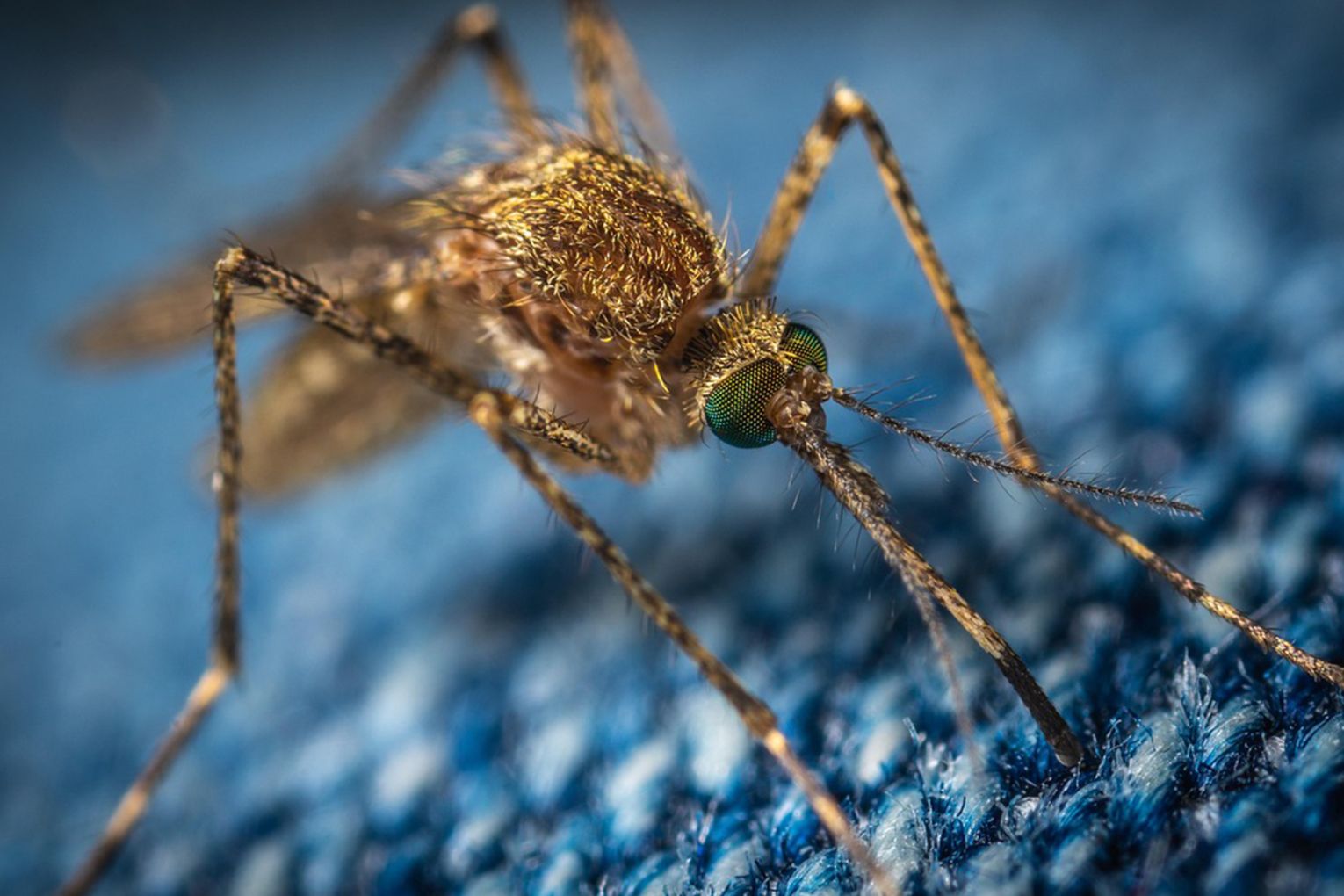
A team of scientists utilised light traps across two natural reserves in the Brazilian Atlantic Forest to study the blood found in mosquitoes’ stomachs, and found human blood to be significantly more present than any other kind.
Using extracted DNA from the blood found in the stomachs of female mosquitoes, the scientists were able to use DNA sequencing to analyse specific genes to determine which animal the insects had fed on.
From a test batch of 24 mosquitoes found in the Sítio Recanto Preservar and the Guapiacu River Ecological Reserve, the scientists found the blood of 18 different people, one amphibian, six birds, one dog and one mouse, suggesting that humans were their preferred food source.
The Brazilian Atlantic Forest is home to hundreds of species of birds, amphibians, reptiles, mammals and fish, but human expansion has shrunk the forest to a third of its original size.
Co-author and microbiologist, Sergio Machado, said mosquitoes in the Atlantic Forest may be exhibiting a preference for human blood.
You might like


“This is crucial because, in an environment like the Atlantic Forest with a great diversity of potential vertebrate hosts, a preference for humans significantly enhances the risk of pathogen transmission,” Machado said.
Machado said the deforestation of the Atlantic Forest was likely responsible for mosquitoes changing their feeding habits.
“With fewer natural options available, mosquitoes are forced to seek new, alternative blood sources. They end up feeding more on humans out of convenience, as we are the most prevalent host in these areas,” explained Machado.
Senior author Dr Jeronimo Alencar, a biologist at the Oswaldo Cruz Institute in Rio de Janeiro, suggested further research was required to determine whether other factors are at play.
Stay informed, daily
“Mosquito behaviour is complex,” Alencar said.
“Although some mosquito species may have innate preferences, host availability and proximity are extremely influential factors.”
In the study regions, mosquitoes carry a variety of viruses that threaten human health, including Yellow Fever, dengue, Zika, Mayaro, Sabiá and Chikungunya.
The researchers said investigating mosquito foraging behaviour was fundamental in understanding the ecological and epidemiological dynamics of the pathogens they transmit.
With the rate of engorged mosquitoes at a low rate of seven per cent and the cases in which blood meals could be identified – around 38 per cent – the researchers concluded that more data-rich studies are required.
The already concluded research can aid in the development of more effective policies and strategies to control disease-carrying mosquitoes and help prevent future disease outbreaks.
“Knowing that mosquitoes in an area have a strong preference for humans serves as an alert for transmission risk,” Machado pointed out.
Alencar added that extended study would allow for targeted surveillance and prevention actions.
“In the long term, this may lead to control strategies that consider ecosystem balance,” Alencar said.
Want to see more stories from InDaily Qld in your Google search results?
- Click here to set InDaily Qld as a preferred source.
- Tick the box next to "InDaily Qld". That's it.