Opening Bondi attack hearing zeroes in on antisemitism
The head of a royal commission stemming from the Bondi Beach terror attack will reveal her approach to the inquiry as the first public hearing is held.
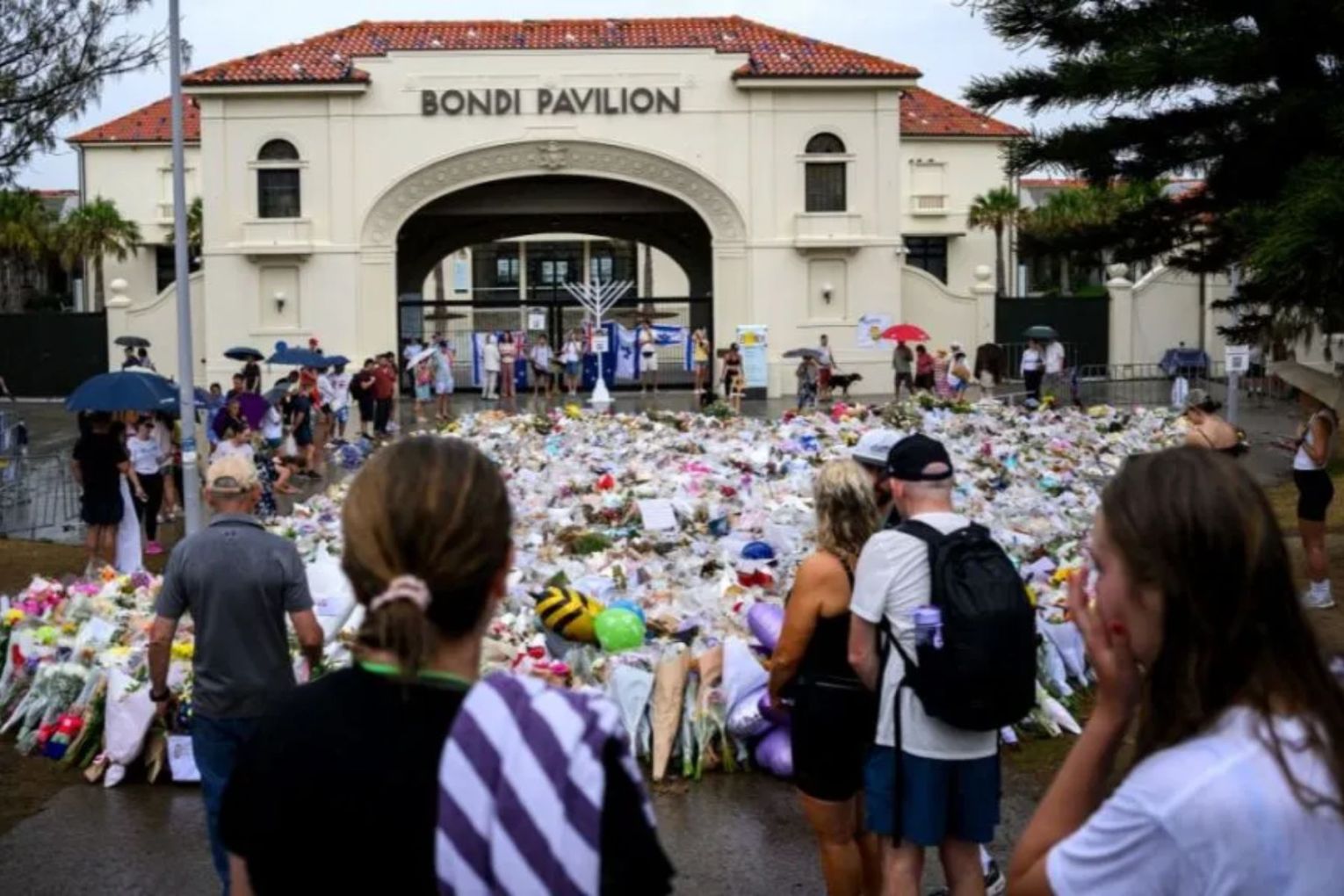
Antisemitism in Australia and how it contributed to the Bondi Beach terrorist attack will go under the microscope with a royal commission beginning on Tuesday.
The inquiry will hold its first public hearing, with commissioner and former High Court judge Virginia Bell to reveal how she will approach it.
Called about a month after 15 innocent people were killed in the terror attack on December 14, the royal commission will probe the nature, prevalence and key drivers of antisemitism in Australia’s society and institutions.
Prime Minister Anthony Albanese has also asked it to make recommendations that strengthen wider social cohesion and counter the spread of ideological and religious extremism.


Bell and senior counsel assisting Richard Lancaster will give opening statements on Tuesday, but no evidence will be presented.
Findings and recommendations are due to be handed down by December 14, the first anniversary of the attack.
“I acknowledge the importance of addressing antisemitism within the Australian community … I plan to conduct the inquiry as expeditiously as possible,” Bell said.
Jewish advocacy groups have widely welcomed the royal commission. The Executive Council of Australian Jewry described it as “the only way that Australia’s time-honoured standards of decency and fairness can be upheld”.
Other groups have urged the commission to include the voices of other affected communities to explore wider social cohesion.
Stay informed, daily
NSW announced a royal commission soon after the attack and the federal government came under intense political pressure to call its own as Albanese steadfastly refused to do so.
He relented in January, with the NSW commission cancelled and a separate inquiry, headed by former ASIO boss Dennis Richardson, to be folded in.
Richardson’s inquiry will scope how potential intelligence failures contributed to the attack.
Federal parliament has passed laws aimed at restricting the ability of hardline radical groups to incite violence against people based on their faith, while also making it easier to deport extremists and deny them entry to Australia.
-with AAP
Want to see more stories from InDaily Qld in your Google search results?
- Click here to set InDaily Qld as a preferred source.
- Tick the box next to "InDaily Qld". That's it.