Why Qld’s ‘most welcoming town’ is taxing holiday investors
A popular holiday spot has been named among the world’s top 10 most welcoming – but behind the accolade lies a property market defined by scarcity, surging prices and what some are calling a “friendly tax” on owner investors.
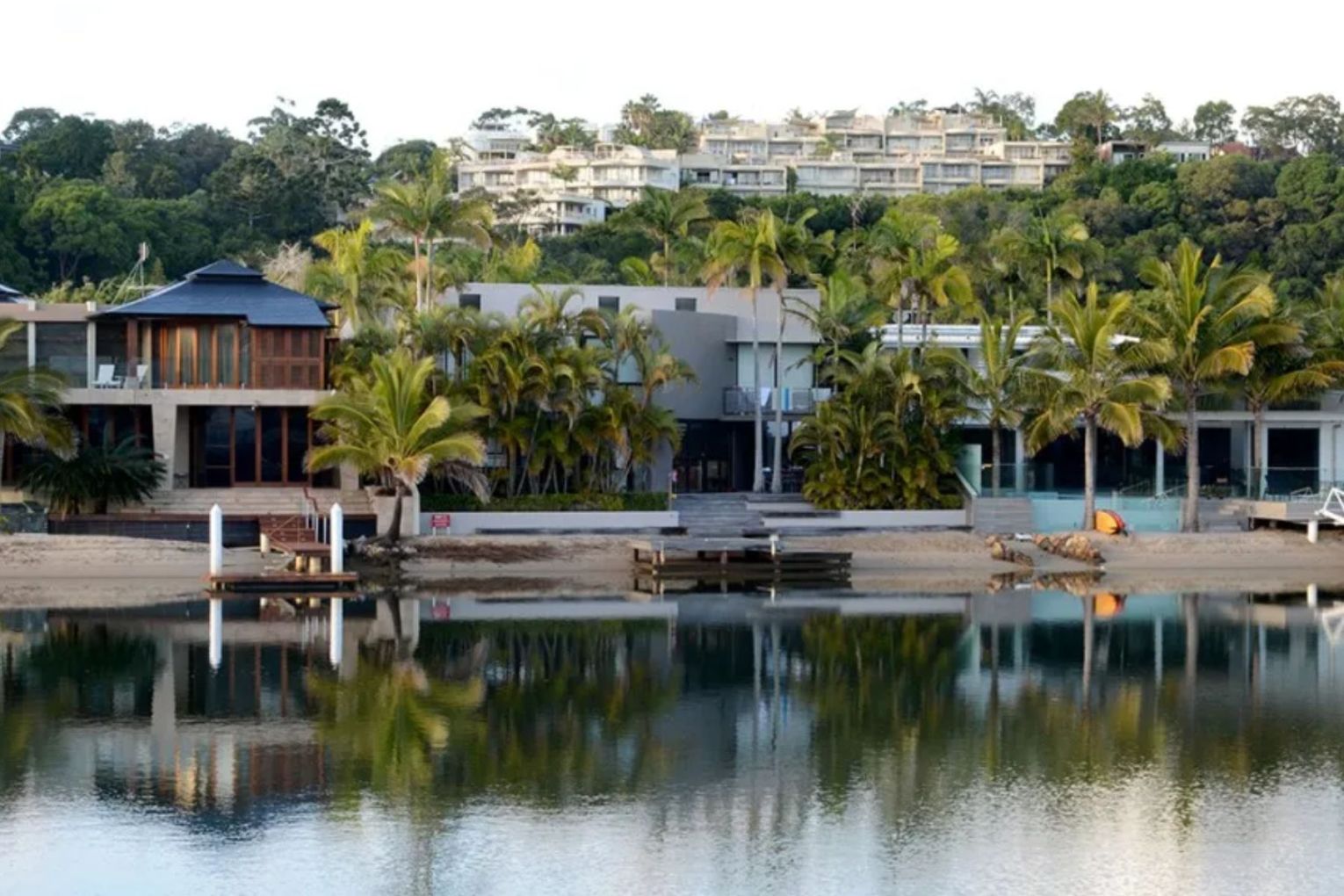
Australians have long known that it’s hard to stay grumpy when the Pacific swell is your alarm clock.
Now, the rest of the world has caught on, with Noosa Heads crowned as one of the world’s most welcoming destinations.
Travel website Booking.com named the Queensland holiday spot among the world’s top 10 most welcoming places in its 14th annual traveller review awards, a result based on more than 372 million verified reviews.
But behind the accolade lies a property market defined by scarcity, surging prices and what some are calling a “friendly tax” on owner investors.
A $2.3 million entry point
The median house price in Noosa Heads has climbed to about $2.34 million, with three-bedroom homes rising roughly 45 to 50 per cent in the past three years.
Local agent Rick Daniel of Coastal Noosa Real Estate said the market continued to defy broader economic conditions.
“It’s insane. I’ve always thought it has its own little eco real estate market at times, unaffected by anything happening around the country. It still somehow performs well, despite economic outlooks, rate rises, and global issues. It just keeps being desirable,” he said.
“Admittedly it was slower last year. Buyers are more cautious and methodical but the reason they were buying is the attraction of Noosa itself.”
You might like

The surge was initially fuelled by the pandemic-era sea change boom, as buyers from Melbourne and Sydney flooded into lifestyle markets in search of space and flexibility.
But unlike many coastal regions, prices in Noosa have remained resilient well beyond Covid, underpinned by tight supply and increasingly interventionist local policy.
At the centre of the shift is Noosa Council’s new Destination Management Plan, officially titled For the Love of Noosa. It is a 10-year strategic roadmap endorsed by the council in late 2025, designed to preserve the environment, lifestyle and resident amenity that underpins its global appeal.
“This international recognition as a welcoming place indicates a healthy and inclusive community,” Mayor Frank Wilkie said.
However, that welcome is being actively managed and priced for those who don’t live permanently in the coastal paradise.
Under the council’s updated rating structure, property owners who list homes for short-term accommodation are slugged with a minimum annual general rate of $3482, compared to $1451 for long-term rental providers – a difference of $2031.
The policy is designed to push investors away from Airbnb-style short-term letting and back into the long-term rental pool. But it is also reshaping the broader housing market.
It represents a major shift from traditional tourism marketing (focused on getting more people to visit) to destination stewardship, which focuses on protecting the local lifestyle, environment, and resident amenity.
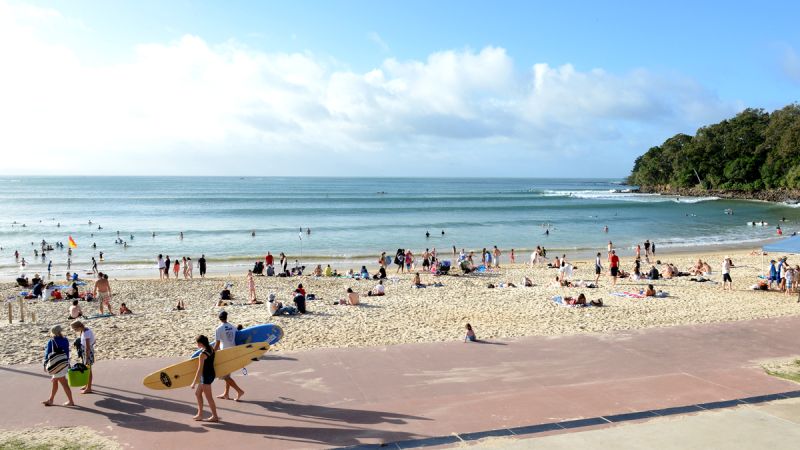
The area around Noosa’s bustling Main Beach and nearby Hastings Street can be particularly congested. Photo: AAP
The core pillars of the plan
The plan is built around four key outcomes identified through community consultation with nearly 3000 residents:
- Protect and steward the environment: Shifting from sustainable to regenerative tourism. The goal is to ensure visitors and the industry leave Noosa in a better state than they found it (e.g., hinterland reforestation and river health).
- Manage short-term accommodation: Addressing the hollowing out of neighbourhoods. The plan uses local laws to rein in the impact of Airbnbs, encouraging owners to return properties to the long-term rental market to house local workers.
- Traffic and congestion solutions: Introducing day visitation management. This includes trialling dynamic (variable) paid parking for visitors, park-and-ride loops, and smarter travel choices to reduce the gridlock around Hastings Street and Noosa National Park.
- Aligning tourism with community values: Moving away from volume and toward value. The strategy prioritises high-spending, long-stay visitors over high-frequency day-trippers who contribute less to the economy but heavily to congestion.
Stay informed, daily
Daniel doesn’t believe it will have a detrimental effect on house prices anytime soon.
“They’ve been talking about it for years. I don’t believe it will impact those who have property in the tourism zone within Hastings and Main Beach and houses on Noosa Hill that have holiday permits in place,” he said.
“Most investors would prefer a holiday home for personal lifestyle use and rental income. For those that want the income, I think they do it because of the flexibility in assets. They pay a little extra in tax for the convenience.”
He gave the recent sale of a house with a holiday permit as an example of continuing price growth.
“It sold for a $5.5 million premium because it’s in Little Cove, which in my view is the hottest property in the country, a tiny pocket in a national park. Anything with three bedrooms, walking distance to the beach, a holiday permit, strong income return and fully renovated is selling basically sight unseen,” Daniel said.
“A buyer moving here permanently just bought 33/12 Serenity Close, Noosa Heads, for an offer circa $3.8 million. It’s close to the beach with The Calile Hotel being built across the road. It’s a five-star hotel, so you can just cross the road and grab a cocktail or a coffee depending on your mood.”
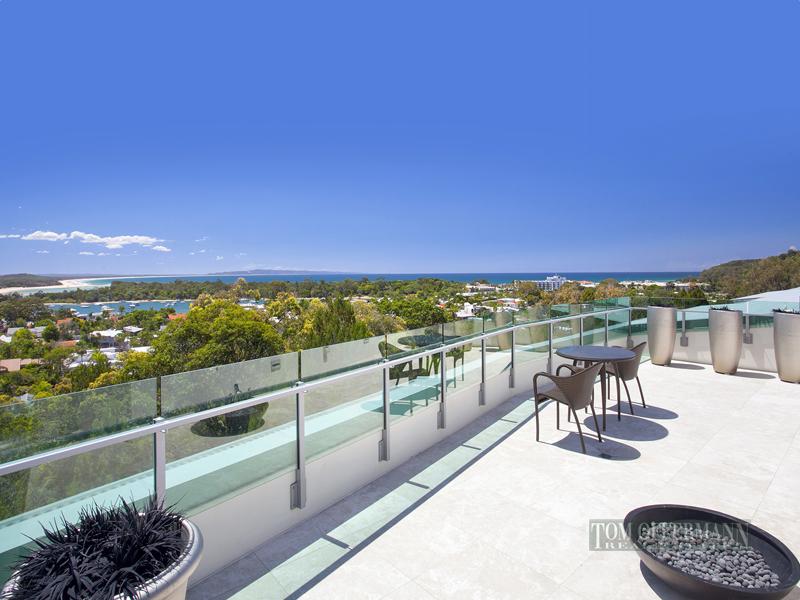
Properties in Noosa’s most prestigious areas regularly sell for more than $10 million. Photo: Supplied
Supply squeeze with policy teeth
The combination of strict environmental protections, limited new development and active discouragement of short-term rentals has created a tightly controlled supply environment. For buyers, that means fewer listings and stronger price competition.
The shift is most visible in blue-chip pockets such as Little Cove and Sunshine Beach, where prestige properties increasingly trade above $10 million.
What was once a relaxed holiday destination has evolved into a tightly held luxury enclave, with homes viewed as long-term wealth stores as much as lifestyle purchases.
Interstate buyers continue to dominate demand, particularly those leveraging gains from southern markets or seeking relief from higher state taxes.
Noosa Heads may be one of the friendliest towns in the world, but entering its property market has never been more difficult.
Between a median house price above $2 million and policy settings designed to protect housing supply, the cost of buying into the welcome is rising fast.
For visitors, it remains a world-class destination, for residents, a carefully managed community. But, for aspiring buyers, the world’s most welcoming town is becoming one of the hardest to access.
Republished from view.com.au
Want to see more stories from InDaily Qld in your Google search results?
- Click here to set InDaily Qld as a preferred source.
- Tick the box next to "InDaily Qld". That's it.