Canegrowers’ fears over upcoming harvest as fuel supply plummets
As crushing season fast approaches, a dire Australian sugarcane industry report shows growers are facing uncertainty over fuel and fertiliser supply.
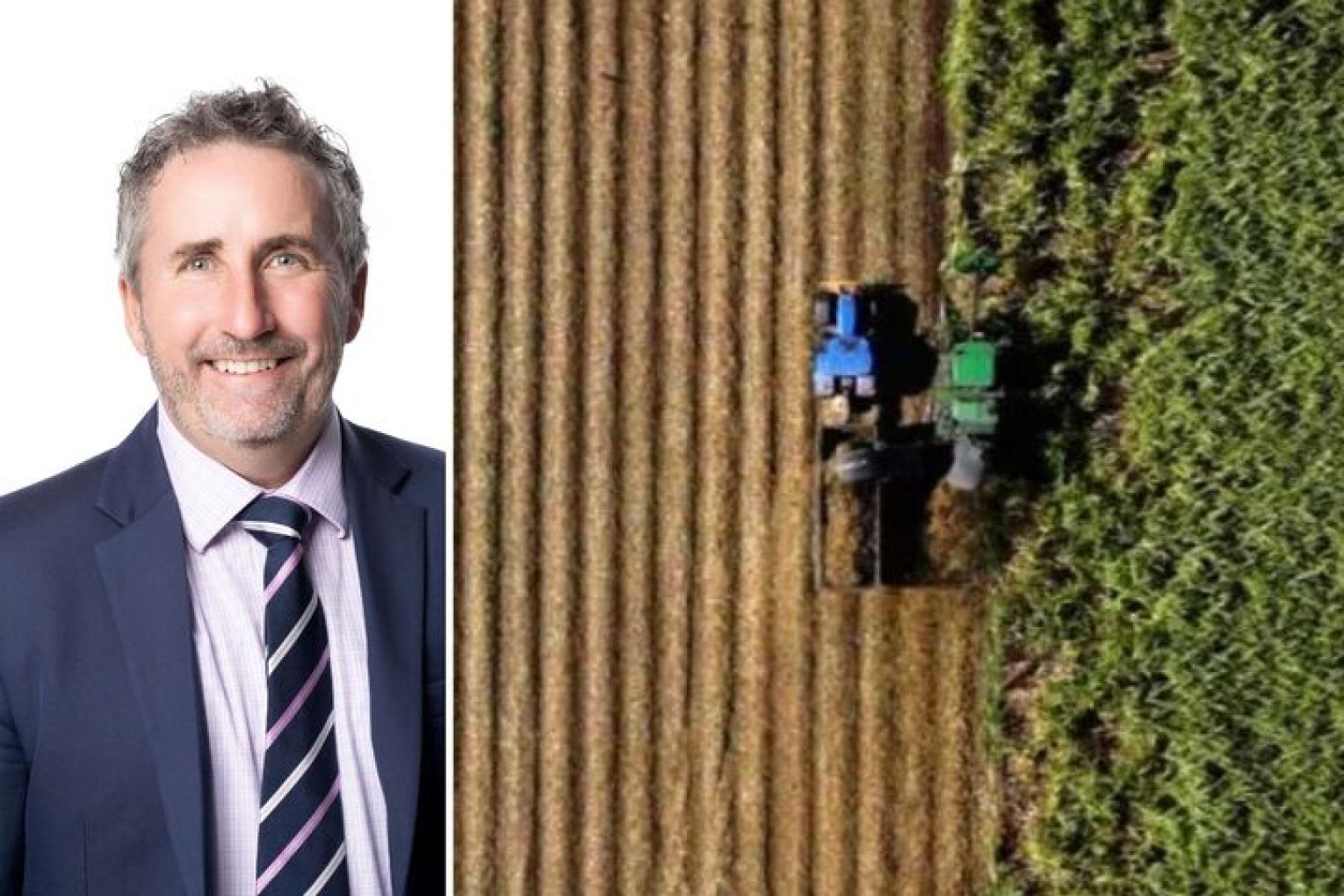
Canegrowers Queensland has revealed a new supply chain impact report from surveying growers across the state shows nation-wide fears around supply ahead of the upcoming crushing season with worrying news that they currently only have five per cent of fuel supply needed.
The report worked on with New South Wales cane growers and sugar manufacturers to draw together a national viewpoint, which also showed cane growers warning that even if this year’s crush was completed, farmers may not have the necessary resources to support next year’s crop.
Results revealed up to 98 percent of growers were concerned about a shortage of supply with rising fuel and fertiliser prices, which puts the cost of production over the global sugar price for industry members.
Almost 90 percent of growers have reported changing or reconsidering their farm plans due to the rising uncertainty, with nearly a quarter of growers unable to purchase the required volume of fuel.
Queensland Canegrowers CEO Dan Galligan said these findings confirmed global pressures were putting this season’s income and next season’s production at risk.
“This is not a theoretical risk – it is already changing how growers make decisions on farm,” Galligan said. “And that shows how astute their risk management practices are, and how fair ahead farmers need to plan.”
You might like


Galligan added that it was not just farmers who have been affected, but also harvesting contractors, transport operators, sugar manufacturers and local businesses across regional Queensland and Northern NSW.
Canegrowers is working with the Queensland Government through its Emergency Management Response Group, contributing to national discussions via the National Farmer’s Federation, and engaging in ongoing fuel supply briefings.
“We’re working directly with state and federal governments to ensure agriculture is prioritised in fuel supply decisions, to provide real-time data on shortages, and to coordinate an industry-wide response so there are no gaps in how the sector responds,” Galligan said.
The organisation was also assessing supply chain impacts with key parts of the sugar industry to coordinate a response across growers, manufacturers, sugar marketers and sugar terminal owners and operators.
“Australia already has the capacity to produce more than 400 million litres of ethanol each year, and we are using less than half of it,” Galligan said.
He proposed a properly enforced E10 mandate would help drive investment, increase domestic production and reduce reliance on imported fuel.
Stay informed, daily
“Every litre of fuel we can produce here is one less litre we have to import from volatile regions around the world, and one more step towards protecting ourselves from the price shocks we are seeing right now.”
The Federal Government has established a fertiliser taskforce to explore stabilising supply chains and halved the fuel excise, while the National Cabinet agreed to the National Fuel Security Plan aimed at coordinating a response across the country.
Queensland Farmers’ Federation CEO Jo Sheppard supported the Federal Government’s actions but stressed the importance for continued specific targeted actions to address key risks to the economy.
“It is important to monitor closely as to how these measures play out throughout the supply chain over the coming three months and to get moving on a longer-term plan, should the disruptions continue,” Sheppard said.
She added that urgent measures were required to keep the economy going, such as visibility for business and industry, a supply distribution dashboard, and transparency for farmers and businesses.
“Australia is lucky enough to be home to some of the best energy resources in the world – gas, oil, coal, sun, wind and a significant bio-energy opportunity,” Sheppard said.
“A National Fuel Security Plan should not just be something we pull out during times of crisis but should be a long-term strategy with key implementable milestones so that we are continually building our sovereign energy capability.”
QFF corporate partner and Surat Basin enterprise acting CEO Josh Edwards warned of national consequences if the Darling Downs’ livestock industry experienced a lack of fuel supply.
“We’re home to around 65 per cent of the country’s grain fed beef industry, with feedlot production alone worth approximately $1.4 billion annually. On top of that, our region produces nearly two thirds of Queensland’s pork and around 85 per cent of the state’s eggs,” Edwards said.
“These industries rely heavily on grain, freight and energy, so when fuel and fertiliser prices rise, the cost pressures ripple right through the supply chain and ultimately to the consumer.”
Want to see more stories from InDaily Qld in your Google search results?
- Click here to set InDaily Qld as a preferred source.
- Tick the box next to "InDaily Qld". That's it.