Study reveals where Queensland kids can’t play outside
A new study has revealed the Queensland suburbs where children have the least access to public playgrounds and green spaces. See where your suburb ranks.
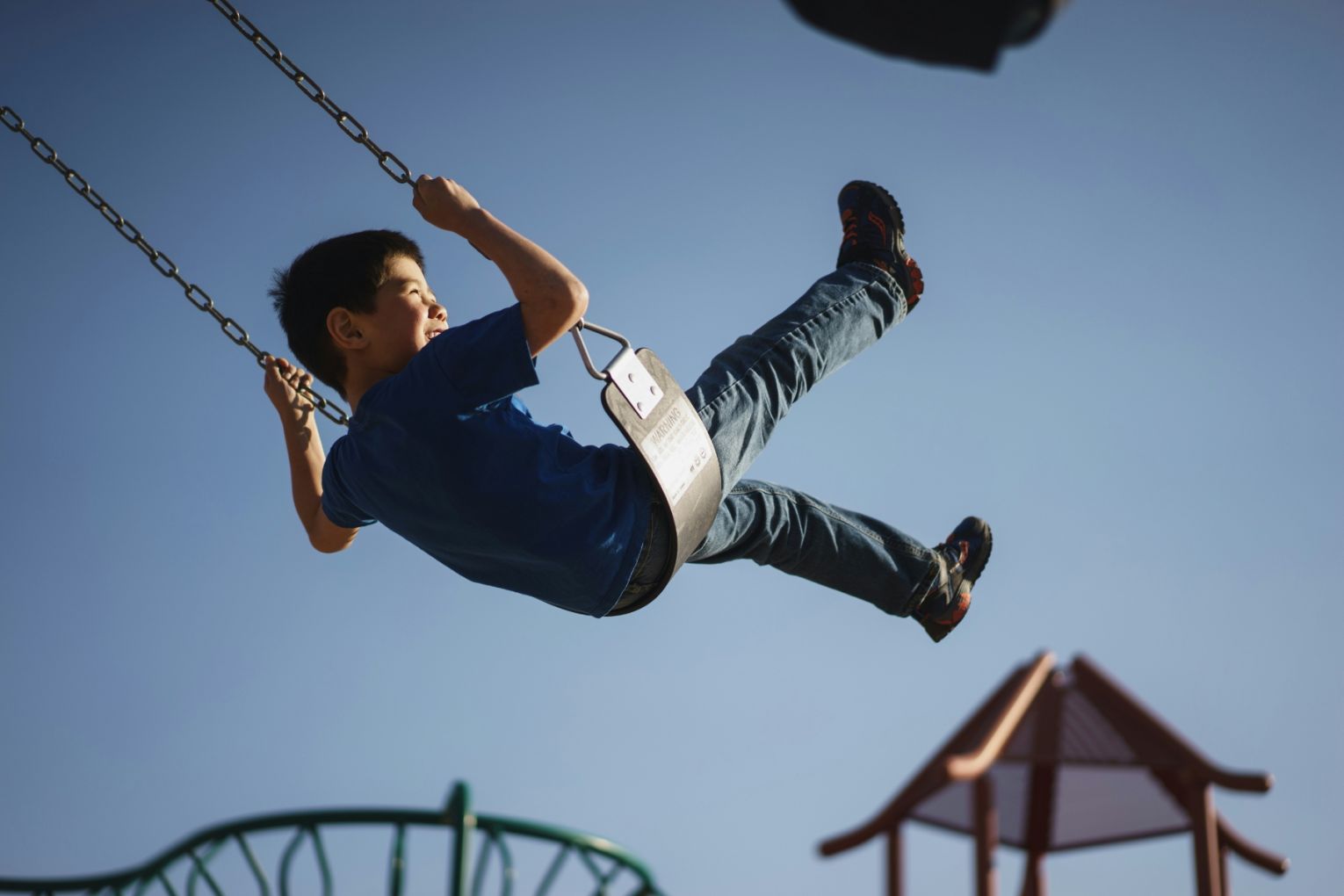
A new study has revealed the Queensland towns with the lowest numbers of playgrounds for children to play in, despite large populations of children under 14 living in the area, a new study has revealed.
The study, conducted by Purebaby.com.au, cross-referenced suburb-level ABS child population data with Australia’s registered playgrounds and parklands to identify which areas face the greatest imbalance between children and outdoor spaces.
Key findings from the study, which looked at populations of children aged 0-14, included that the suburbs of Marsden and Inala ranked among the country’s worst-affected areas, with high populations of children and few to no public green spaces.
Marsden, a suburb in Logan, with around 4,127 children, and Inala in Brisbane with 3,647 children, both reported zero playgrounds per 1000 kids.
Gracemere in Rockhampton (3,138) was close behind, also reporting zero playgrounds per 1000 kids.
You might like
Regents Park and Indooroopilly also joined the previous Queensland suburbs in the top ten Australian suburbs with the worst access to green spaces for children.
| Rank | Suburb | State | Total Kids 0–14 | Playgrounds per 1000 Kids |
|---|---|---|---|---|
| 1 | Marsden | QLD | 4127 | 0 |
| 2 | Inala | QLD | 3647 | 0 |
| 3 | Gracemere | QLD | 3138 | 0 |
| 4 | South Hedland | WA | 2782 | 0 |
| 5 | Regents Park | QLD | 2609 | 0 |
| Waikiki | WA | 2531 | 0 | |
| 7 | Green Valley | NSW | 2518 | 0 |
| 8 | Indooroopilly | QLD | 2429 | 0 |
| 9 | Woonona | NSW | 2305 | 0 |
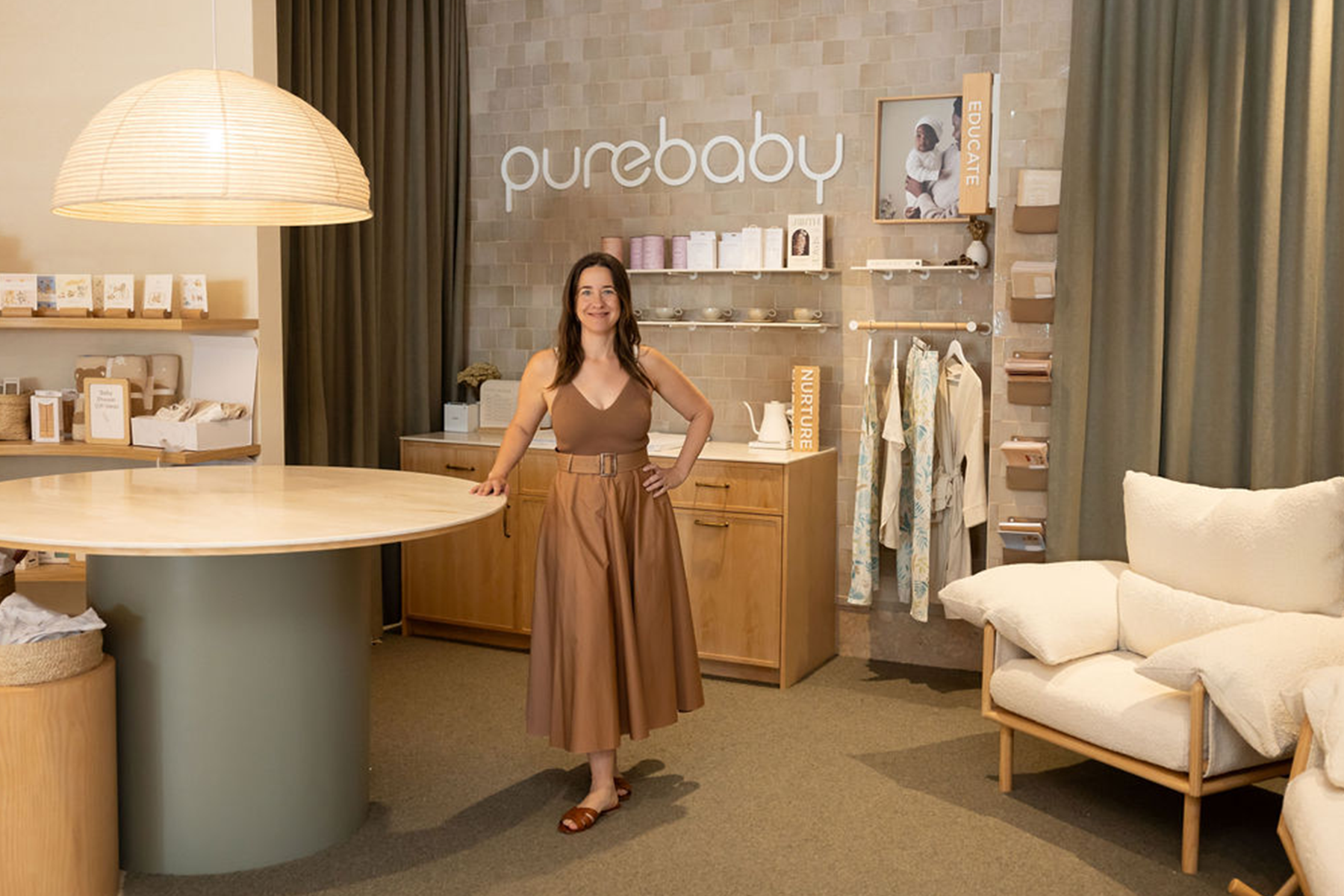
Purebaby founder Mirabi Winford said free public play spaces were important for children’s health, wellbeing and development.
Stay informed, daily
“If children have limited access to free, outdoor public spaces, it makes their world a lot smaller, with only a limited number of spaces they can be with their friends,” said Winford.
“Where you live can shape a child’s early experiences in ways we don’t always see, from their ability to socialise, to how they stay active and build confidence.”
Winford said that this research highlights a broader issue around inequality, as access to free, public play spaces is a critical part of supporting healthy development.
The report concluded that Queensland, Western Australia and New South Wales were the states with the greatest disparity between child population and green space access.
Punchbowl in NSW was revealed to have the lowest amount of green space per child, with just one green space per 4,500 children.
“Without access to safe outdoor play spaces, children can miss out on everyday opportunities to move, explore and connect with others. This can affect not only their physical health, but also their confidence, social development and overall sense of wellbeing during key early years,” said Winford.
“As cities expand, green space is often one of the first things to shrink,” she said. “But without accessible places to play, families are left navigating environments that do not support healthy childhood development.”
Want to see more stories from InDaily Qld in your Google search results?
- Click here to set InDaily Qld as a preferred source.
- Tick the box next to "InDaily Qld". That's it.