Call for freight boost in Federal Budget after Inland Rail cut for Queensland
After the Federal Government’s budget cut from the Inland Rail project, a local development agency is calling for new initiatives tonight.
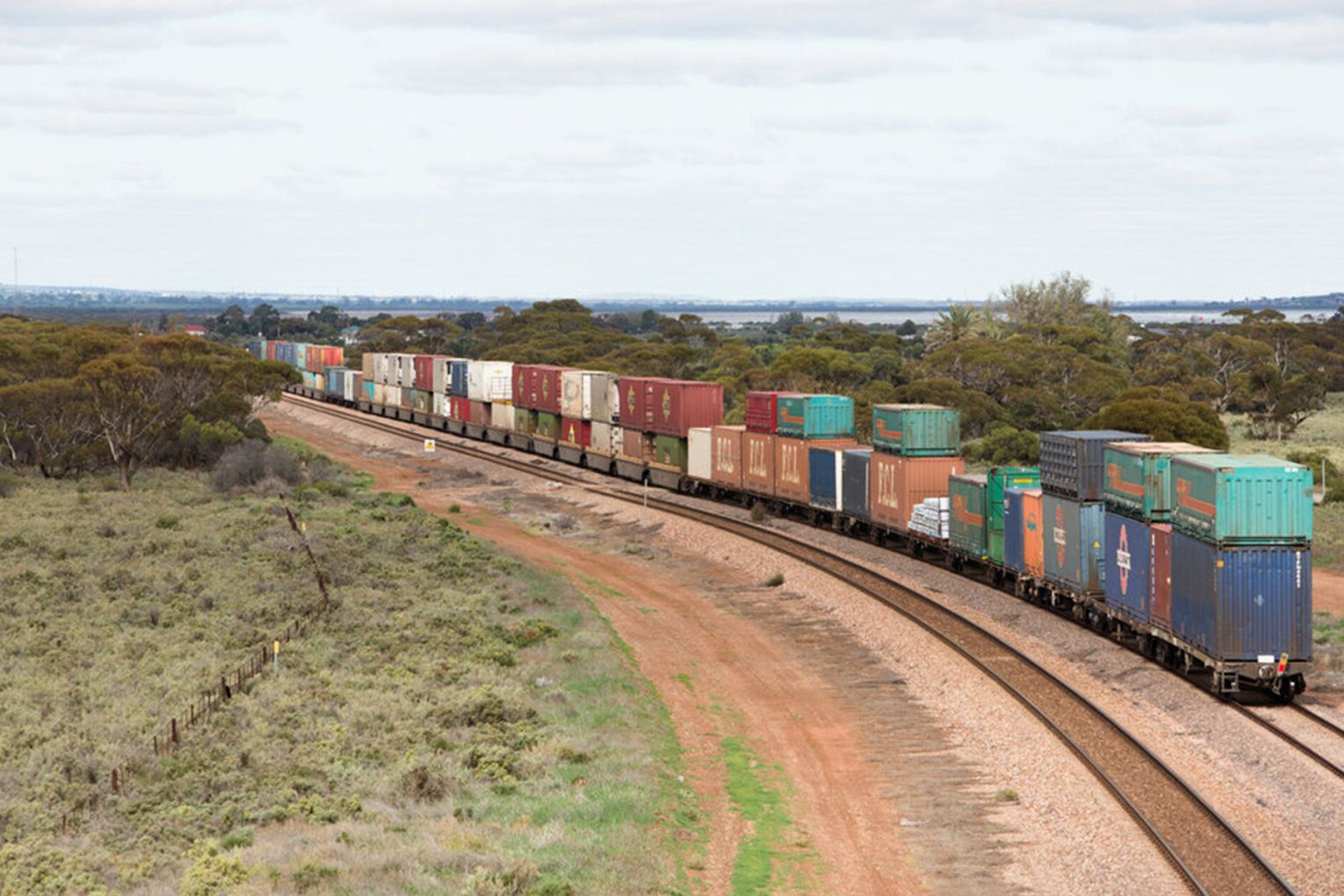
After the Federal Government announced it would not be supporting the 1600km Inland Rail project, which will now stop at the New South Wales town of Parkes rather than Brisbane in the tonight’s Federal Budget, new calls are being raised for support.
Toowoomba and Surat Basin Enterprise (TSBE) expressed its disappointment over the cut, warning the move risks long-term economic and infrastructure consequences for regional Queensland.
TSBE Chair April Cavanagh said Australia should be investing in efficient freight solutions right now, rather than shifting pressure onto already congested roads. She called for funding for key road corridors to be upgraded as an alternative.
“Pulling back from Inland Rail during ongoing fuel cost and supply chain challenges sends the wrong signal to regional businesses and communities,” Cavanagh said.

She added that the rail project was an economic catalyst for the Darling Downs and South West, with an expected spend of $5 billion alone in the region.
“Our region has consistently and constructively advocated for this project, including direct engagement with Canberra and detailed budget submissions that have gone unanswered,” Cavanagh said.
With Warrego, Newell and Gore Highways already operating near capacity and with failing infrastructure, TSBE is calling on the Federal Government to invest in alternative freight infrastructure.
“If Inland Rail isn’t moving forward, we need immediate and guaranteed funding to upgrade key corridors like the Warrego and Gore highways, as well as the associated bridge infrastructure,” Cavanagh said.
She adds that this decision reinforces concerns about the imbalance between metropolitan and regional infrastructure investment, including Melbourne Airport project.
Stay informed, daily
“Regional Australia drives exports, feeds the nation and underpins the economy,” Cavanagh explained. “Equitable investment in our regions including our highways is essential.”
Port of Brisbane, Chief Executive Officer, Neil Stephens said the Port of Brisbane plays a critical role in connecting south west Queensland producers to global markets.
“However, current freight rail constraints mean more than 98 per cent of the Port’s container trade is transported by road,” he said. “By comparison, many leading international ports move 20 to 30 per cent of freight by rail – delivering significant gains in efficiency, cost and emissions reduction.”
“With or without Inland Rail, Australia must work towards moving more freight off roads and onto rail.”
Want to see more stories from InDaily Qld in your Google search results?
- Click here to set InDaily Qld as a preferred source.
- Tick the box next to "InDaily Qld". That's it.