Trump kills Hormuz fee after calls from leaders
President Donald Trump has ditched a proposal to charge a transit fee on shipping through the Strait of Hormuz as US forces carried out attacks on Iran for a fourth night in a row.
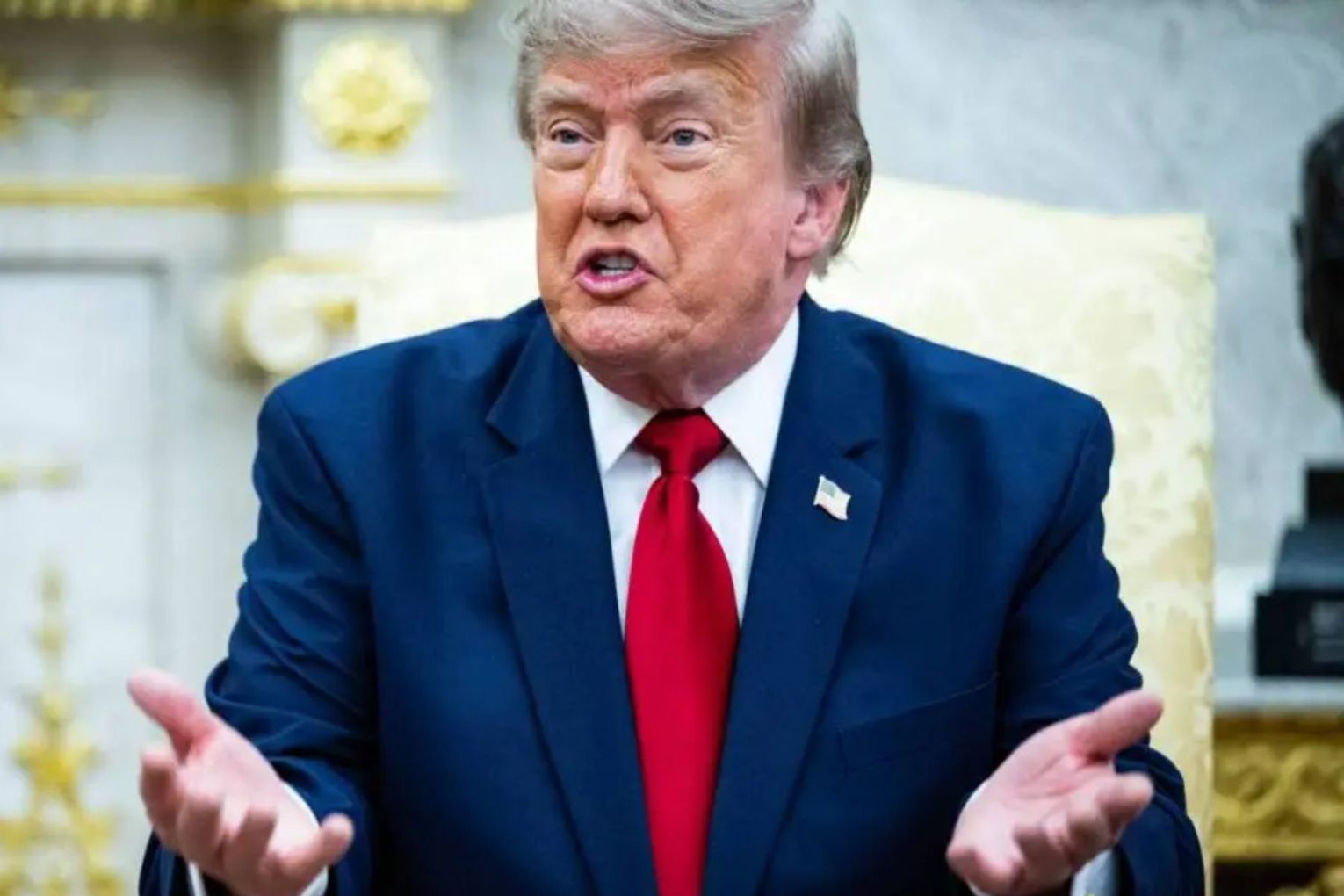
US President Donald Trump has changed his mind on a 20 per cent fee to guard the embattled Strait of Hormuz, as missiles continue to fly.
Iran is firing at Jordan and Bahrain after a five-hour US attack on Iranian targets, stepping up a battle that has pushed up oil prices to four-week highs.
US forces carried out further waves of attacks on Tuesday after Tehran said it had closed the Strait of Hormuz.
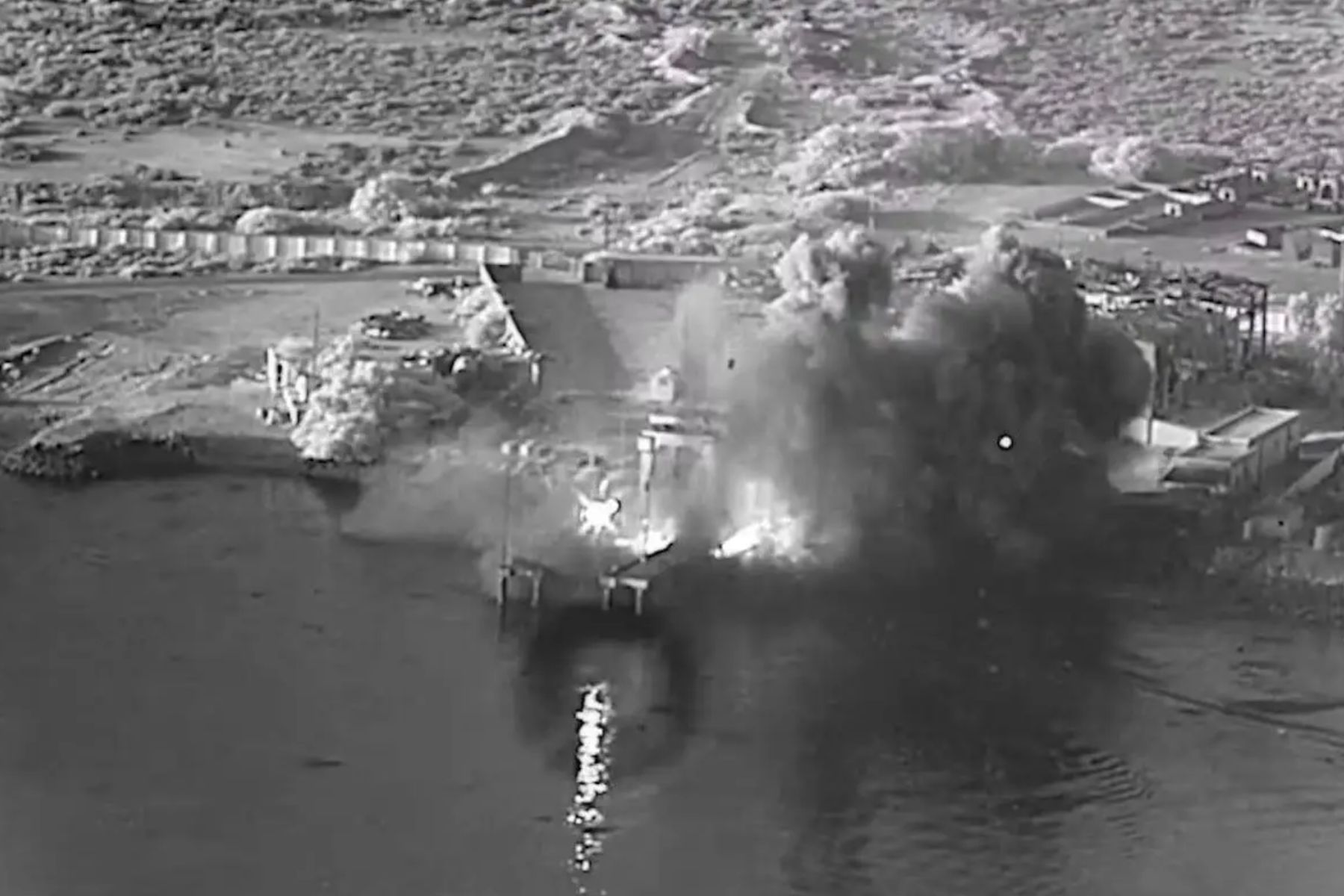
Trump’s response to the closure statement was to reinstate a blockade of Iranian shipping and propose charging a 20 per cent fee to guard the waterway.
However, on Wednesday (US time), he said the fee would be replaced by “trade and investment deals that the various Gulf states will be making into the United States”.
“Those Investments will be MASSIVE but, at the same time, extraordinarily good for them, and their future,” Trump said.
You might like
Trump said his decision followed productive conversations with Middle East leadership.
Iran attacked a US Army base in Jordan with ballistic missiles while Bahrain, which hosts a US naval base, said it had fended off an Iranian aerial attack.
Jordan said it had shot down four ballistic missiles and explosions were heard in Manama, Bahrain’s capital.
Inflation fears
The worsening attacks have increased doubts that a memorandum of understanding signed last month between the US and Iran will lead to a permanent halt in the war, which has disrupted global energy supplies and raised fears of a rise in inflation globally.
Regional analysts said the hostilities remained within controlled boundaries, with both sides seeking leverage for an eventual peace deal. But they said there was still a risk of fighting spinning out of control.
“I doubt the two sides will resume a full war, especially as Trump will suffer – though there is also a distinct possibility that the Iranians will overplay their hand,” Carnegie Middle East Centre senior fellow Yezid Sayigh said.
“That is true of Trump too, of course.”
Stay informed, daily
Oil prices climb
Oil prices rose again on Tuesday, with Brent crude futures gaining 5 per cent to hit $US87.49 ($125.24) a barrel – the highest since June 12 but still well below the peak since the war began – before dipping slightly.
The war has proved unpopular in the US, where petrol prices have risen since the start of the war.
Congressional elections loom in November, as half of those surveyed in a Reuters poll said they believed the war had not been worth its costs.
The US has said its renewed attacks on Iran are intended to “degrade Iran’s ability to attack commercial shipping.”
Iranian media reported US strikes on several cities and said four people had been wounded.
Explosions were heard in Bushehr and Choghadak, according to Fars News Agency. IRNA quoted a provincial official as saying four areas of Bushehr city were hit.
No casualties were reported in Iran’s attack on the US Army base in Jordan.
Hostilities have intensified since Iran said late on Saturday it had closed the Strait of Hormuz after firing a warning shot that struck a vessel travelling on what it said was an unauthorised route.
Trump said on Monday the US was reinstating its blockade of Iranian shipping, which had been lifted as part of the MoU signed last month. He also announced the 20 per cent fee on all cargo shipped through it.
Iranian Foreign Minister Abbas Araqchi wrote on X that Tehran was the guardian of the strait and would remain so “forever”.
“20 per cent is of course too much. We will be fair,” he said in response to Trump.
Before the war, about a fifth of global oil and gas traffic passed through Hormuz daily. If the US was to impose a 20 per cent fee, it could generate about $US240 million ($344 million) a day.
—with AAP
Want to see more stories from InDaily Qld in your Google search results?
- Click here to set InDaily Qld as a preferred source.
- Tick the box next to "InDaily Qld". That's it.