Judge orders Trump to sit for deposition
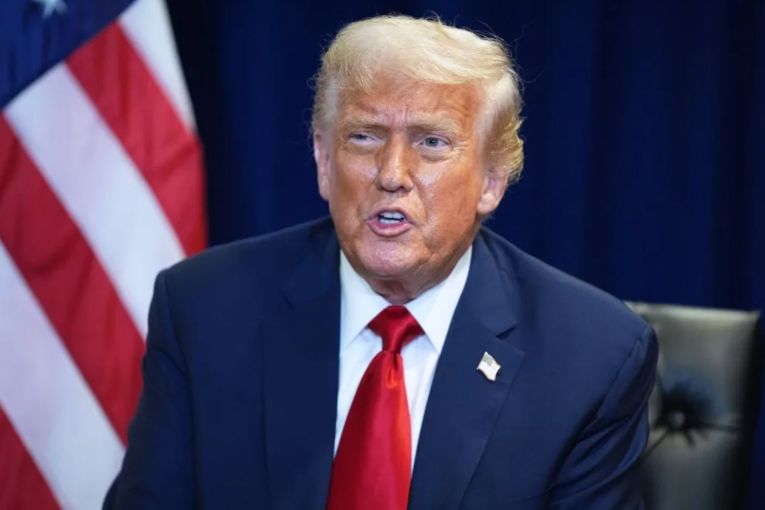
US President Donald Trump must sit for a deposition in his defamation lawsuit against the BBC by early December, a federal judge says.
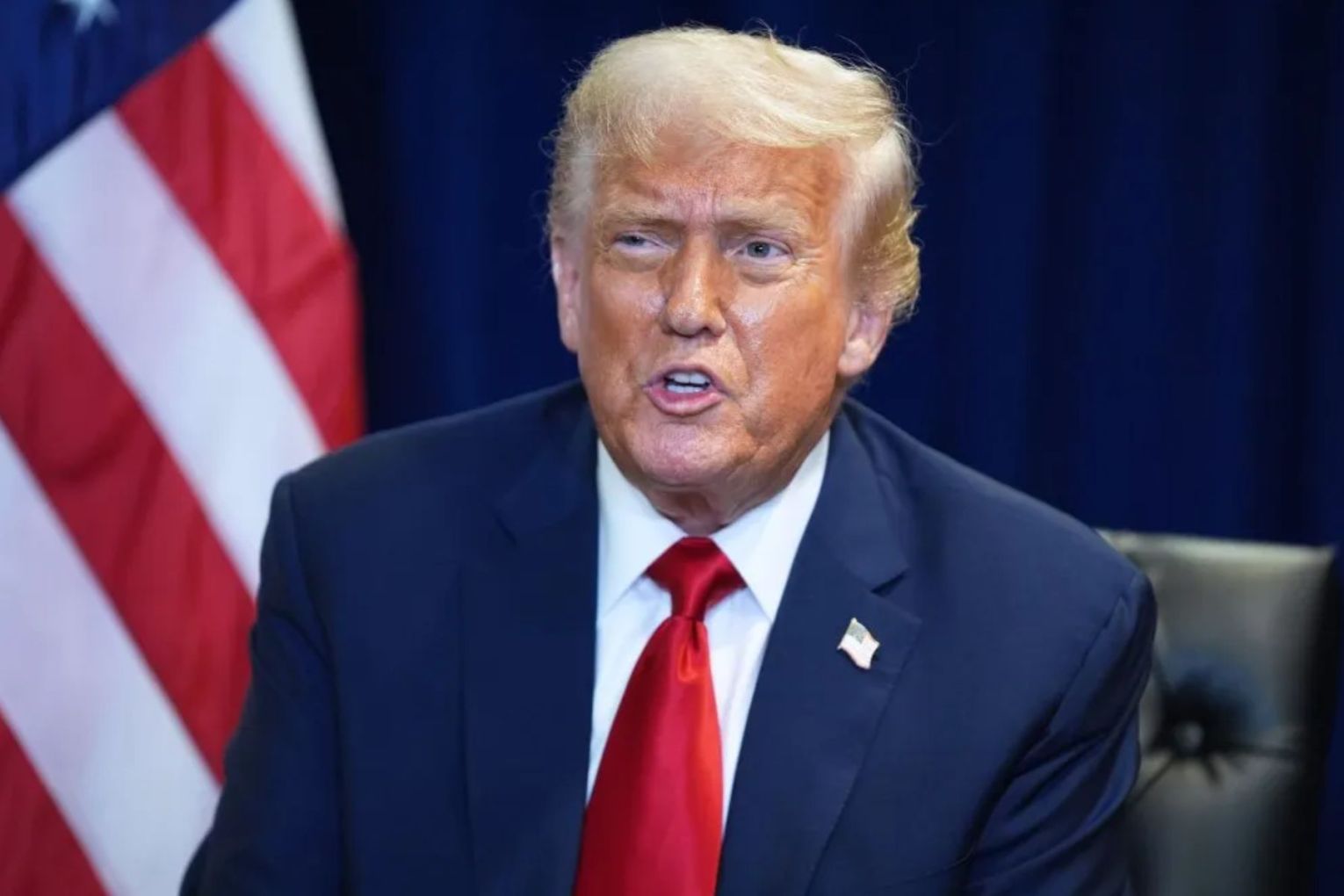
A judge has ordered US President Donald Trump to sit for a deposition in his $US10 billion ($14 billion) defamation lawsuit against the BBC by December 11.
The order from US magistrate Enjolique Lett came as the BBC’s lawyers complained that Trump had delayed his appearance.
Lawyer Charles Tobin said that with two months left in the discovery period, “we still haven’t been able to depose the plaintiff”.
He noted there was an agreed date of October 16 for the interview under oath but that Trump had cancelled it for a “matter of national importance”. Tobin said Trump was, in fact, campaigning in Georgia that day.
“He was participating in party politics and prioritised that over sitting for the deposition,” Tobin said.
Lett said Trump must sit for a deposition by December 11 or face having his legal action thrown out — unless the discovery period was extended past December 18.
The British broadcaster says Trump is trying to delay his appearance until January 2027.
You might like
Lett has also threatened sanctions if Trump fails to comply with the court’s schedule.
Trump, who has often avoided depositions, filed his lawsuit against the BBC last December, seeking $US10 billion ($14 billion) in damages.
He accused the publicly funded broadcaster of defamation as well as deceptive and unfair trade practices in a misleadingly edited clip of a speech in a Panorama documentary show titled Trump: A Second Chance.
The BBC acknowledged that filmmakers spliced together quotes from different sections of a speech Trump delivered to his supporters on January 6, 2021, before the storming of the US Capitol, to make it seem he was directly urging violence.
It apologised for the editing and the head of the BBC and its top news executive both resigned.
The BBC has rejected Trump’s claims that it defamed him.
To bolster its defence, the broadcaster subpoenaed former US special counsel Jack Smith earlier this month.
Trump’s lawyers argued, in a joint filing asking for a hearing on the matter, that there was no good reason for Smith — who is not a party to the case — to appear.
Stay informed, daily
“Smith lacks any personal knowledge regarding the issues in this matter,” they said.
In the same filing, the BBC countered that there were few more knowledgeable sources about the events of January 6 than Smith, who studied and investigated them for years.
“It is difficult to imagine a more authoritative source on these issues than Mr Smith, who spent years gathering evidence on those topics with the force of the Justice Department and the power of the grand jury behind him,” they said.
“No one forced [the] plaintiff to file this lawsuit and to dispute that his speech on January 6 incited the violence that followed at the Capitol. But as long as he chooses to maintain the case, he cannot commit the fundamental injustice of preventing the BBC from obtaining the evidence it needs to robustly defend itself on every element of his claim.”
In a filing on October 13, the BBC’s lawyers said they requested dates for a deposition in July and followed up repeatedly, with both sides eventually agreeing on October 16.
After weeks of silence, they wrote, “plaintiff’s counsel responded on September 28, 2026, indicating that ‘the President is no longer available for his deposition on October 16 due to other matters of national importance’ and that counsel would ‘endeavour to provide you with a replacement date by the end of this week’. He did not”.
They said they were then told that Trump “has no availability whatsoever for a deposition” before discovery closes on December 18. Trump would instead make himself available in the second or third week of January.
“Those delays have flouted the co-operative spirit of discovery and precluded the BBC from obtaining the evidence necessary to robustly litigate its defence,” Tobin wrote in the filing.
The edited speech appeared in a BBC show shortly before the 2024 US presidential election, which Trump won.
A leaked internal BBC memo cited the edits as evidence of potential political bias, sparking a public relations crisis for the British broadcaster.
-with Reuters and PA
Want to see more stories from InDaily Qld in your Google search results?
- Click here to set InDaily Qld as a preferred source.
- Tick the box next to "InDaily Qld". That's it.