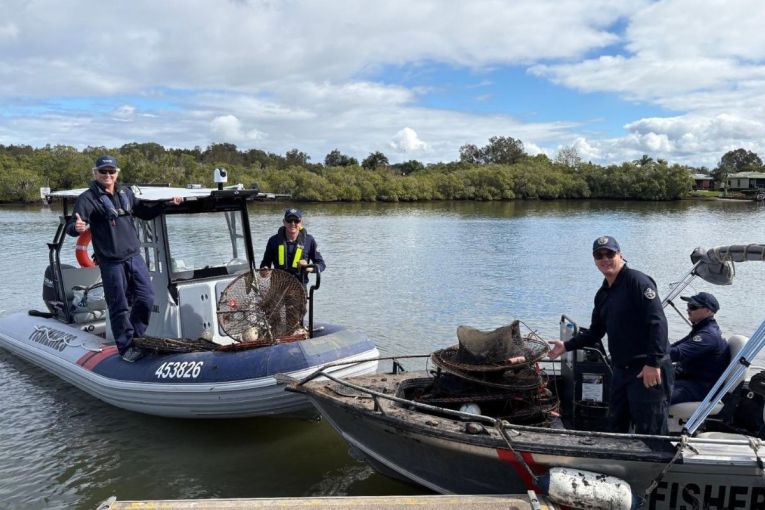
Crab pot crackdown on Great Barrier Reef
Hundreds of rogue crab pots have been seized from parts of the Great Barrier Reef in a bid to protect turtles. See the video.
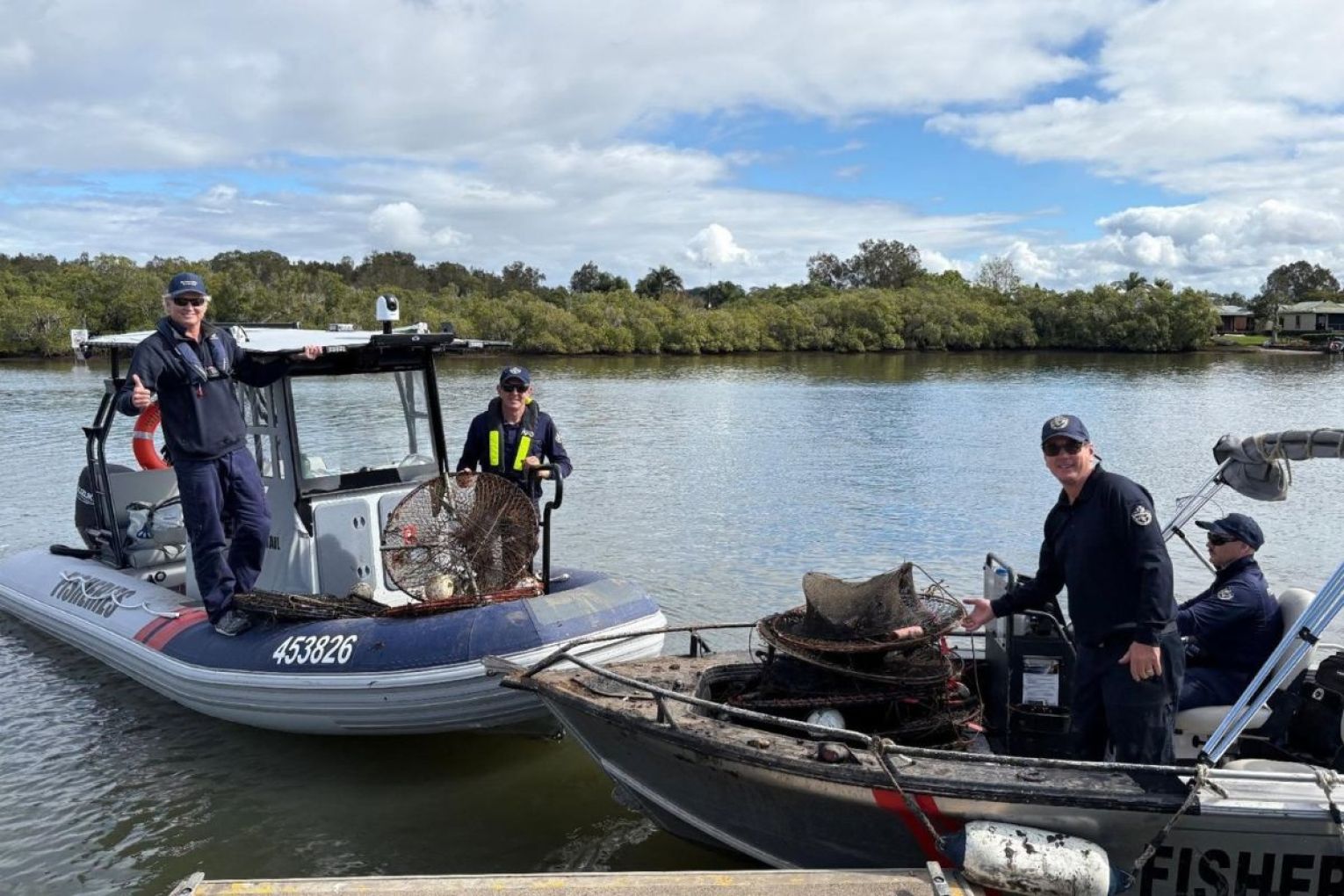
Great Barrier Reef cleanup crews seized 786 non-compliant crab pots that were threatening turtles, dugongs, whales and dolphins in Queensland’s heritage-listed waters, Federal Environment Minister Murray Watt announced today.
Queensland boating patrols and Indigenous land and sea rangers patrolled from Port Douglas to Central Queensland to identify and remove the illegal fishing gear using drones and patrol boats.
The latest crackdown is part of a years-long operation to clean up the Great Barrier Reef World Heritage Area, backed by $250,000 in federal government funding.
Since 2023, the Queensland Boating and Fisheries Patrol has seized 2892 crab pots of different types from the Great Barrier Reef area, Watt said.
“We are funding important work like this through our $3.9 billion investment to protect and support a resilient Great Barrier Reef,” he said.
You might like
The Great Barrier Reef is one of Queensland’s most valuable environmental assets, providing more than 77,000 jobs across the state and injecting more than $9 billion into the economy annually.
When crab pots and fishing nets are abandoned, lost or discarded, they can smother or entangle wildlife and negatively affect all sea turtle species, dolphins, whales, and seabirds, according to the Great Barrier Reef Authority.
Gear abandoned in the water continues to “ghost fish”, and Fisheries Queensland said its patrol officers often find pots containing dead marine life, or live crabs and fish that they safely release back into the water.
Stay informed, daily
In August, Fisheries Queensland shared a video to Facebook of patrol officers freeing a sea turtle they discovered while seizing abandoned crab pots, saying it was “just one example of the impacts abandoned and lost crab pots can have on marine life”.
“The officers carefully adjusted their position and approach to minimise stress so they could safely and quickly get the turtle free,” the post said.
Queensland primary industries minister Tony Perrett said state government fisheries officers were working with Indigenous Sea rangers to target areas with the most non-compliant crab pots.
“It is important that all fishers understand their responsibilities, follow the rules and ensure their crab pots are properly marked, because ghost crab pots can have serious impacts on our marine life and the broader marine ecosystem,” Perrett said.
“We all have a role to play in protecting our marine environment and making sure future generations can continue to enjoy fishing in Queensland.”
Fisheries Queensland advised fishers to remove crab pots from the water before storms, check pots regularly and repair any damage or faulty pots.
Crab pots must be marked, heavy enough, and have enough rope tied to the float to prevent them from being lost in tidal currents, according to Fisheries Queensland.
Want to see more stories from InDaily Qld in your Google search results?
- Click here to set InDaily Qld as a preferred source.
- Tick the box next to "InDaily Qld". That's it.