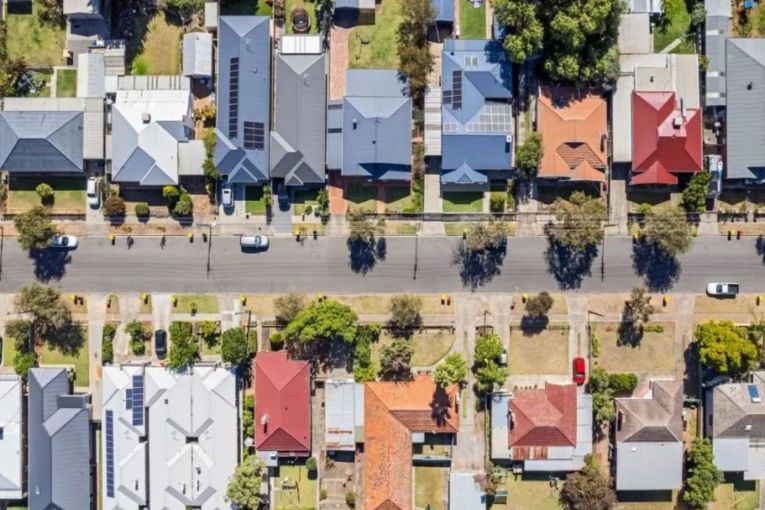
Tax changes spur record fall in investor home loans
The share of home loans taken out by owner-occupiers has climbed steeply since the May budget cracked down on investor tax incentives.
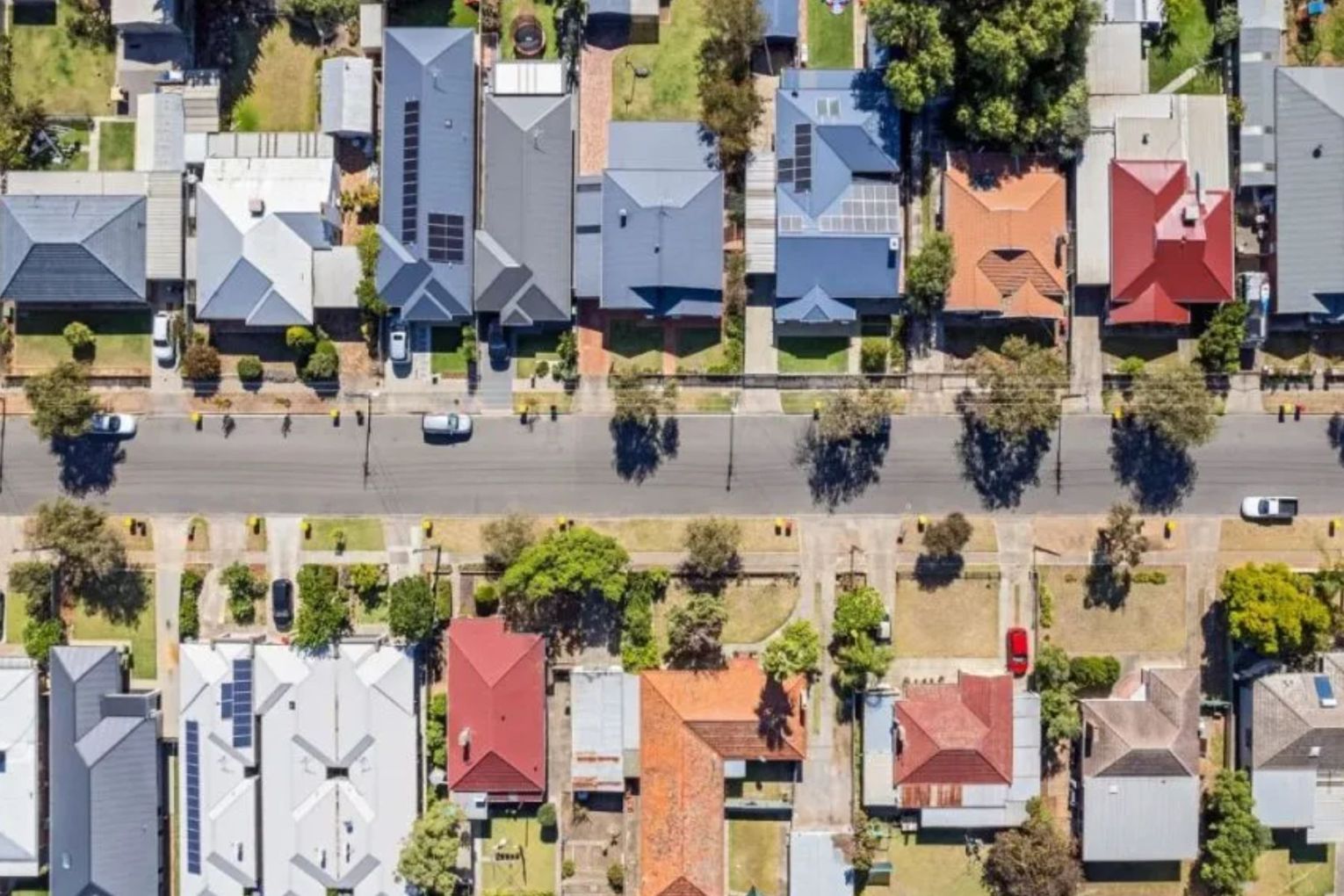
Rising interest rates and Labor’s tax changes have spurred the biggest drop in investor home loans on record as owner-occupiers claim a greater share of the housing market.
New investor lending fell 30.6 per cent to 35,301 loans in the September quarter, driving a 15 per cent fall in total home loans, the Australian Bureau of Statistics reported on Wednesday.
While lending to owner-occupiers also fell, the much shallower 5.3 per cent decline meant the share of owner-occupiers taking out home loans has climbed to 68 per cent from 59 per cent before the May budget.
Labor has been wary not to claim all the credit for the deepening housing downturn, amid falling consumer and business confidence.
But Housing Minister Clare O’Neil said the rising share of owner-occupiers in the market was a good early indicator that the tax changes were having their intended effect.
“What we’re seeing is that more first home buyers are winning auctions that they’re competing in,” she told Seven’s Sunrise program.
You might like

“We’ve got a long way to go here, but we’ve got some important pieces of progress being made.”
ABS head of finance statistics Mish Tan said lending activity fell across all borrower types, but the decline was sharpest for investors.
“Our data suggests that investor activity is being influenced by factors beyond increasing borrowing costs, including the potential impacts of tax changes and expectations of lower house prices,” he said.
Loans taken out by first home buyers decreased 8.6 per cent during the quarter and was 12.3 per cent lower than a year prior.
But first home buyers still accounted for a “significant share of owner occupier lending” at more than one-third, the ABS said.
As buyers have shied away from the market, the number of homes available for sale has soared in almost every capital city, contributing to an oversupply in housing that is helping to push down prices.
Stay informed, daily
In Brisbane, total available stock was 24.4 per cent above the five-year average in the four weeks to November 8, according to property data firm Cotality.
The median dwelling value in the city sank two per cent in October, the steepest fall in the country.
But in Melbourne, the rate of decline slowed to 0.8 per cent, the shallowest fall of the five major markets.
In contrast with the rest of the country, the Victorian capital had 5.3 per cent less stock available for sale than its average.
“A better balance between available supply and demand in Melbourne means home values in the city are falling at the slowest pace of the major capitals,” Cotality head of research Gerard Burg said.
Although total properties for sale were rising in most markets, new listings were actually slowing.
In Brisbane, new listings declined 12.4 per cent over the year while the number of properties for sale increased 59.5 per cent.
The discrepancy is down to listings staying on the market for longer.
In October, the median national property was on the market for 41 days, compared with 24 days a year earlier.
Signs of a recovery elsewhere are still a long way off.
The Reserve Bank’s latest rate rise – taking interest rates to an 18-year high – will further reduce buyer purchasing power, and the government’s tax changes continue to affect investor sentiment.
“A recovery in housing market conditions is unlikely until buyers have the confidence and financial capacity to return to the market,” Mr Burg said.
“Affordability and investor policies are likely to remain constraints, meaning it is likely that rate cuts from the Reserve Bank will be necessary, which currently appears unlikely before the second half of 2027.”
Want to see more stories from InDaily Qld in your Google search results?
- Click here to set InDaily Qld as a preferred source.
- Tick the box next to "InDaily Qld". That's it.