Pothole lookout: Brisbane rubbish trucks’ new tech
Potholes and overgrown trees are on the radar as the council enlists rubbish trucks to keep a closer eye on city streets.
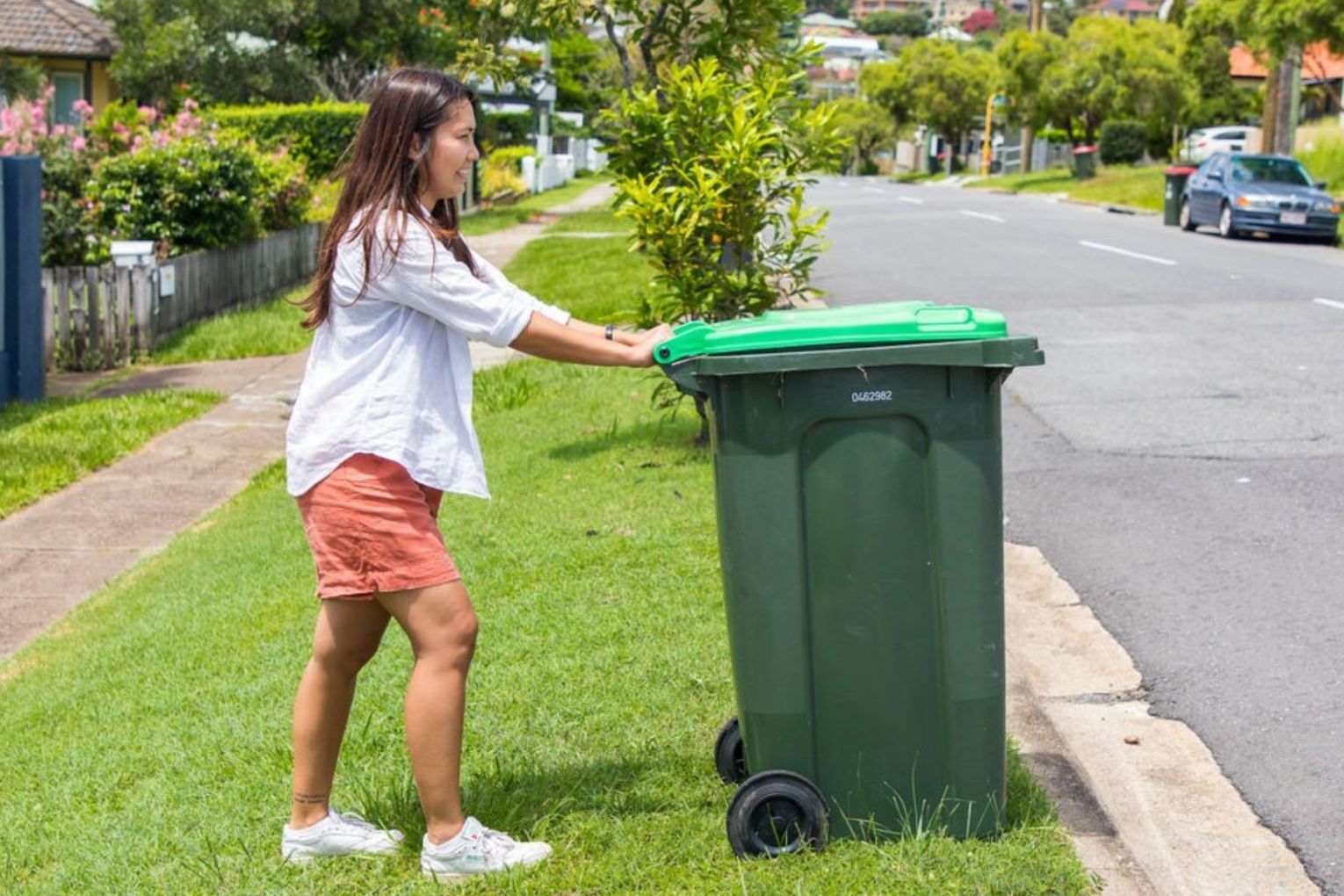
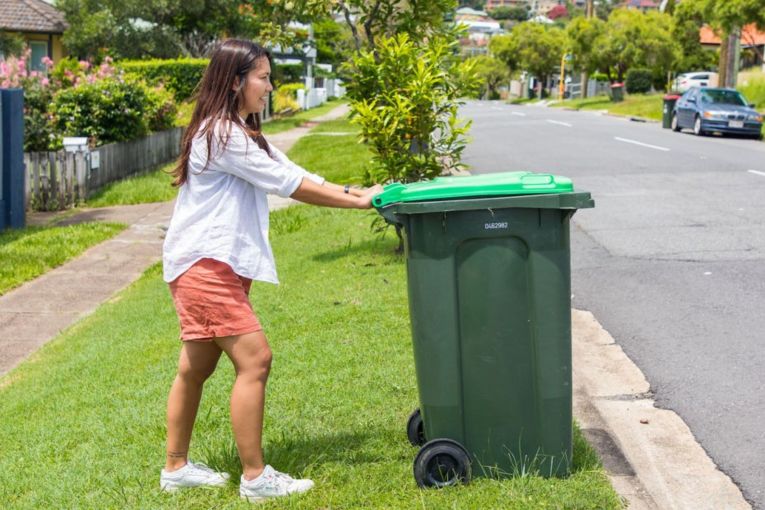
Brisbane City Council will roll out AI cameras across the city’s rubbish truck fleet to fast-track street clean up and maintenance after what it claims were successful 12-month trials.
The new technology would now be expanded from five to 70 vehicles to detect potholes, over-grown tree branches, faded and damage street signs and deceased animals.
Lord Mayor Adrian Schrinner said the new tech was being used so waste services can keep pace with Brisbane’s growth and the increasing number of bins being serviced throughout the city’s 15,914 streets.
Schrinner said by integrating smart AI, everyday bin collection would turn into a citywide system to find and fix problems faster.


“We currently rely on residents and our council crews to let us know when a pothole emerges or a tree is overgrown,” he said.
“While we still want residents to let us know whenever there’s an issue, these smart cameras will allow us to actively patrol every single street using our existing waste collection services.”
Infrastructure committee chair Ryan Murphy said successful trials on five rubbish trucks meant the initiative could be expanded.
“That means more eyes on our roads, helping us spot damage sooner and get crews out to fix it faster,” Murphy said.
“We’re combining smarter technology with our record $110 million Operation Smooth program to deliver smoother, safer suburban roads.”
Since the beginning of the current 16-year waste collection contract in 2018, Brisbane’s waste taskforce has grown significantly with almost 400,000 additional bins being collected every year, increasing by nearly 45 percent.
Stay informed, daily
In the past eight years, more than 210,000 additional red, yellow and green bins have been collected every week, bringing the weekly total to 850,000, while green bins have almost quadrupled from around 85,000 to more than 330,000.
Nearly 40,000 additional tonnes of household waste have been collected each year, taking the annual total to more than 450,000 tonnes, and the number of bulk bins for multi-unit dwellings have also doubled, from around 6,400 to nearly 13,000.
City Council also updated arrangements meaning contractor Veolia would only receive additional payments when it met agreed service standards, so if performance falls short, those additional payments will be reduced or withheld.
Exisiting agreements for Brisbane’s four Resource Recovery Centres – located in Willawong, Nudgee, Chandler and Ferny Grove – would also be extended for another six years.
Want to see more stories from InDaily Qld in your Google search results?
- Click here to set InDaily Qld as a preferred source.
- Tick the box next to "InDaily Qld". That's it.