Biggest winners and losers from federal budget revealed
There are big changes in Treasurer Jim Chalmers’ fifth federal budget, and not everyone will be happy. Here’s what you need to know.
May 12, 2026, updated May 12, 2026
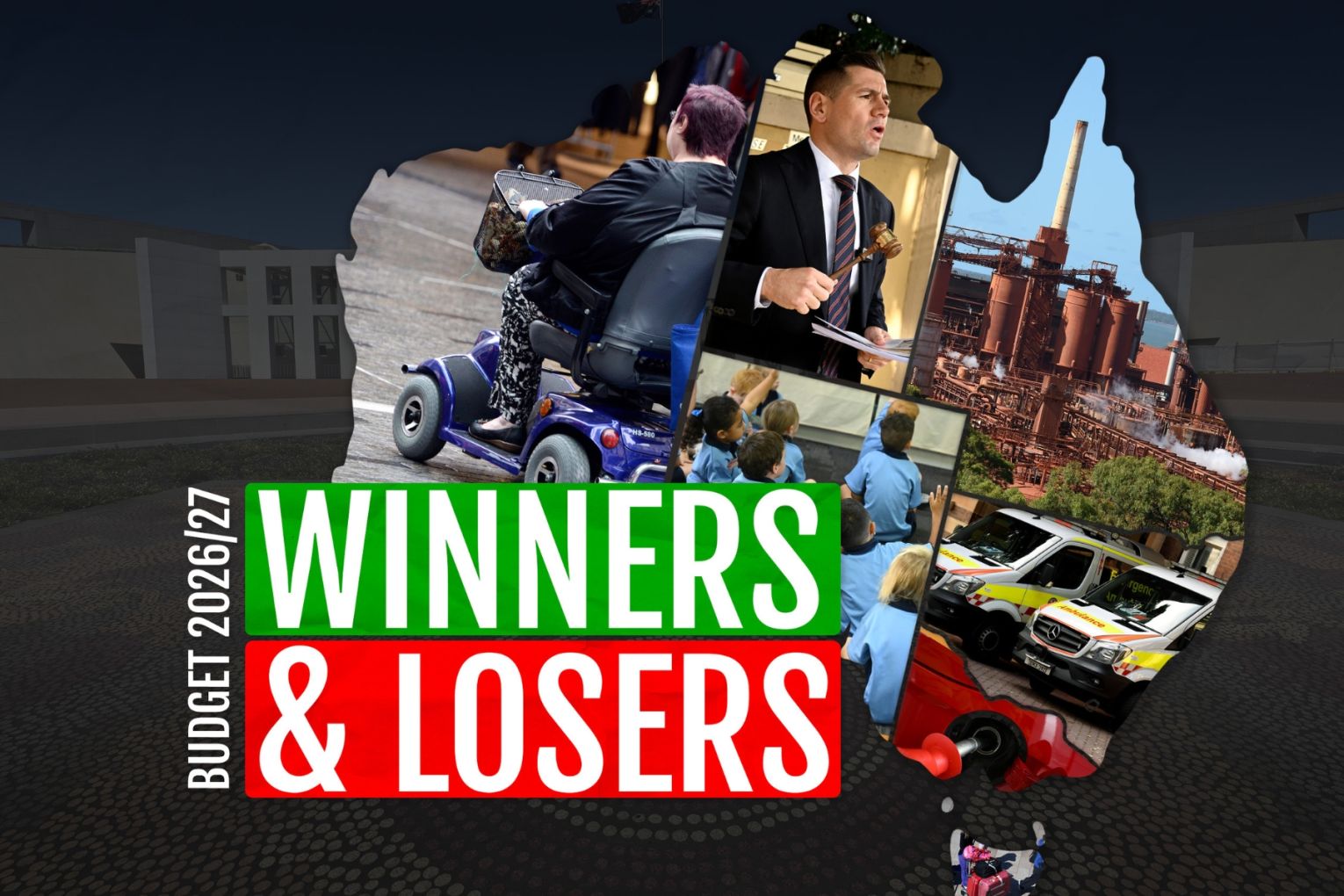
Graphic: AAP/Susie Dodds
FEDERAL BUDGET WINNERS AND LOSERS
WINNERS
You might like

- First-home buyers: a clamp-down on property investment is expected to help around 75,000 people into home ownership. Tax concessions for landlords and investors – including negative gearing and the capital gains tax discount – will be wound back
- Workers: anyone who earns a wage will get a $250 bonus on their tax return from July 2027. The payment will be made permanent and comes on top of other tax relief announced in previous budgets
- Hospital patients: Another $25 billion in federal money is being poured into public hospitals, while $5.9 billion will be spent making more medicines cheaper through the Pharmaceutical Benefits Scheme
- Small business owners: the current $20,000 instant asset write off for small businesses will be made permanent from the start of July
- Public transport users: billions of dollars have been set aside for infrastructure, with the budget including funding for Melbourne’s Suburban Rail Loop, upgrades for the Sydney-to-Canberra railway line, development works for high speed rail between Newcastle and Sydney and the electrification of Victoria’s Melton Line
- Motorists: Under a $12 billion fuel security package, the government will secure extra supplies of petrol, diesel and jet fuel in a bid to better insulate Australia from future oil price shocks
LOSERS
- Future property investors: changes to negative gearing and the capital gains tax will begin hitting investors from mid-2027, but properties currently owned will be grandfathered
- NDIS recipients: changes to eligibility for the National Disability Insurance Scheme will claw back around $15 billion by 2030
- Older Australians: a Howard-era decision to give people over-65 a more generous health insurance rebate has been scrapped to save $3 billion
- Wealthy families with trusts: a 30 per cent minimum tax will be imposed on discretionary trusts, which are often used by wealthy families to split income between family members and minimise tax
- Unskilled migrants: while Australia’s overall migrant intake will stay the same, more places will be allocated for skilled migrants, leaving less room for those without crucial qualifications
- Future electric vehicle owners: the fringe benefits tax exemption for electric vehicles is being made less generous over time, amid record-breaking EV sales
Want to see more stories from InDaily Qld in your Google search results?
- Click here to set InDaily Qld as a preferred source.
- Tick the box next to "InDaily Qld". That's it.

News